
Staff Reporter
MEATCO has opened its doors to first-year students from the Namibia University of Science and Technology (NUST), offering them practical exposure to Namibia’s livestock and agro-processing industry as part of efforts to support the country’s skills development agenda.
Students enrolled in NUST’s Bachelor of Procurement and Supply Chain Management programme visited Meatco for a research session linked to their Fundamentals of Marketing module. During the visit, they interacted with professionals from Meatco’s Marketing and Sales Division, including representatives from the Logistics, Agro-Processing, and Value Addition departments. The engagement provided the students with hands-on insight into how Meatco manages marketing operations, product distribution, and value-added beef processing within Namibia’s livestock value chain.
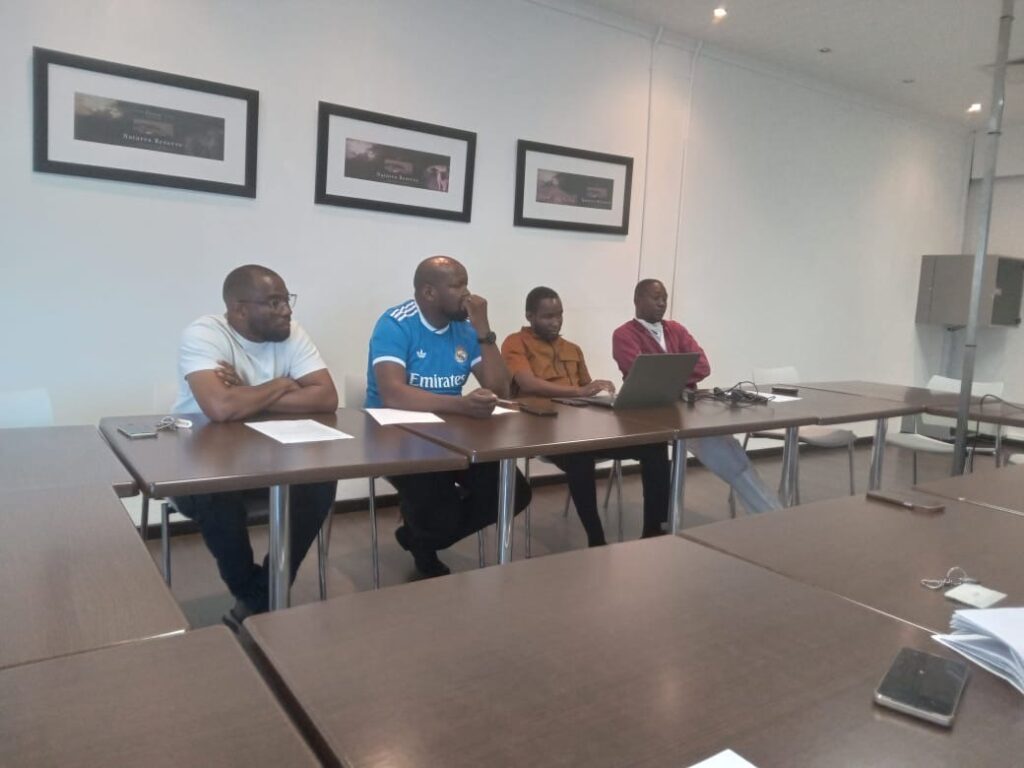
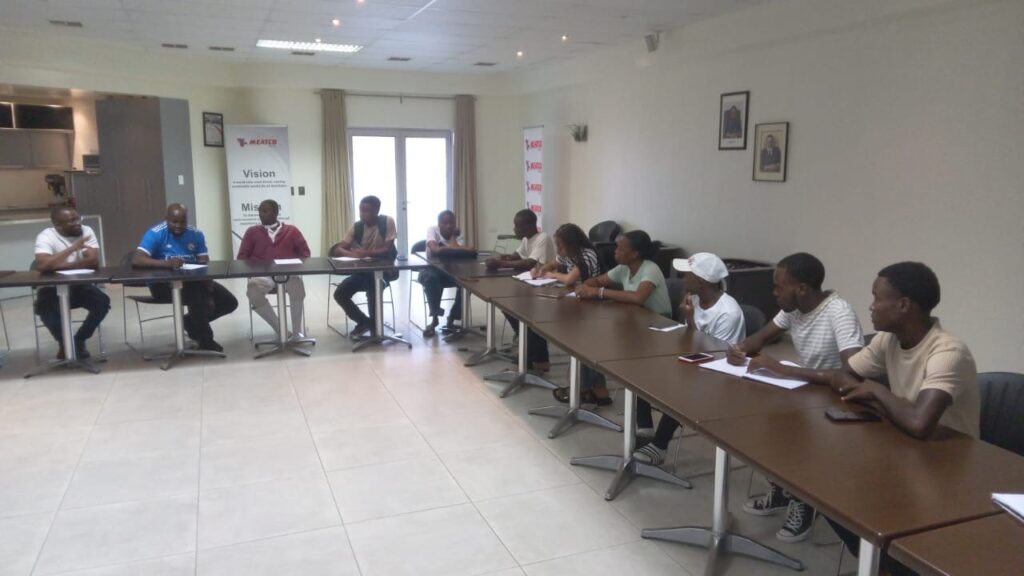
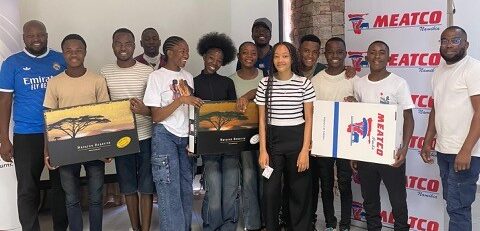
Photos: Meatco
Meatco’s Interim Chief Executive Officer, Ambassador Albertus Aochamub, highlighted the importance of strengthening collaboration between industry and academic institutions to develop a skilled workforce capable of driving Namibia’s economic growth. “Providing practical exposure to students complements classroom learning and helps build a pipeline of competent professionals who will sustain and grow Namibia’s agricultural and agro-processing sectors,” he said, noting that such initiatives align with the government’s broader human capital development priorities.
Meatco’s Logistics Coordinator, Ferdinando Jario, added that the engagement benefits the organisation as well, as students’ fresh perspectives and critical questions encourage reflection, research, and continuous improvement within Meatco’s teams. Representing the students, Titus Shimuandi expressed gratitude for the opportunity to engage directly with industry professionals, saying the insights gained greatly enhanced their understanding of how theoretical concepts are applied in real-world settings.
Through partnerships with institutions such as NUST, Meatco continues to support skills transfer, industry knowledge sharing, and the development of Namibia’s future workforce, strengthening the long-term sustainability and competitiveness of the country’s livestock and agro-processing sectors.