


Staff Reporter
ANTIMICROBIAL resistance (AMR) is emerging as a growing threat to Namibia’s health system, making common infections harder to treat and undermining progress in key disease-control programmes. In response, the Ministry of Health and Social Services, together with national and international partners, has launched World Antimicrobial Resistance Awareness Week (WAAW) 2025 in Windhoek, calling for stronger, coordinated action to protect the effectiveness of life-saving medicines.
AMR is contributing to longer hospital stays, increased treatment failures and higher risks during routine surgeries. Drug-resistant infections also threaten gains made in HIV, TB and malaria programmes, all of which rely heavily on effective antimicrobial treatment.
According to recent World Health Organisation data, Africa remains one of the hardest-hit regions globally, with one in five infections resistant to standard antibiotics. The proliferation of poor-quality and falsified medicines is further accelerating resistance and fuelling the spread of drug-resistant pathogens.


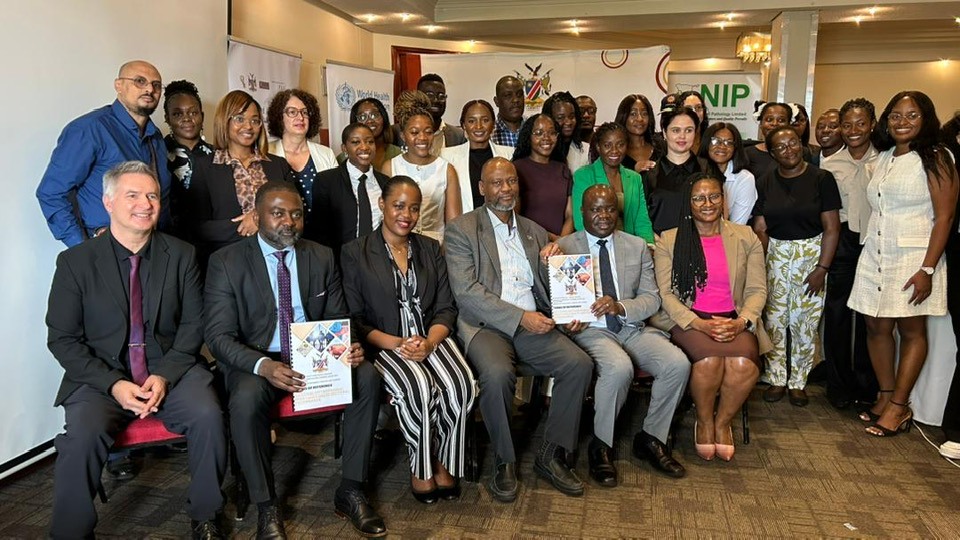
PROTECT HEALTH: Officials from the Ministry of Health and Social Services, WHO Namibia, and partner organisations launch World Antimicrobial Resistance Awareness Week (WAAW) 2025 under the theme “Act Now: Protect Our Present, Secure Our Future,” highlighting the urgent need to tackle antimicrobial resistance. Photos: World Health Organisation Namibia
Namibia has taken several steps to address the growing threat, including the development of a One Health National Action Plan, submission of surveillance data to WHO’s GLASS platform, improved laboratory capacity, pilot antimicrobial stewardship initiatives and strengthened infection-prevention and control measures in major hospitals.
As part of the launch, stakeholders also signed the Terms of Reference for a High-Level AMR Steering Committee, aimed at strengthening coordination across sectors. The next phase of national efforts will focus on expanding surveillance to all laboratories, scaling up stewardship programmes nationwide, securing a dedicated AMR budget and improving oversight of medicine quality.
The initiative brings together government ministries, regulators, health workers, veterinarians, farmers, civil society, the private sector and partners including WHO, FAO, WOAH and UNEP under the One Health approach.
The Ministry and its partners stressed that AMR is not a future threat but a present and urgent challenge. They emphasised that Namibia must now shift from awareness to full implementation to protect essential medicines and preserve public health gains for generations to come.


