


Staff Reporter
THE Government of Japan has donated three fully equipped ambulances to Namibia to help strengthen the country’s healthcare system.
The Minister of Health and Social Services, Dr Esperance Luvindao, announced that the ambulances will be strategically deployed to underserved areas to improve emergency response times and ensure that patients, including those in remote locations, have access to timely medical assistance.
“Namibia’s unique geographical context presents significant challenges to healthcare delivery. Our country, with a vast land area of approximately 824,000 km², is home to only 3.1 million people. To put this into perspective, Namibia is more than double the size of Japan but is 40 times less populated. This results in a low population density, with communities often scattered across great distances. Our health facilities are strategically constructed in accordance with the catchment population of a particular region,” Luvindao said.
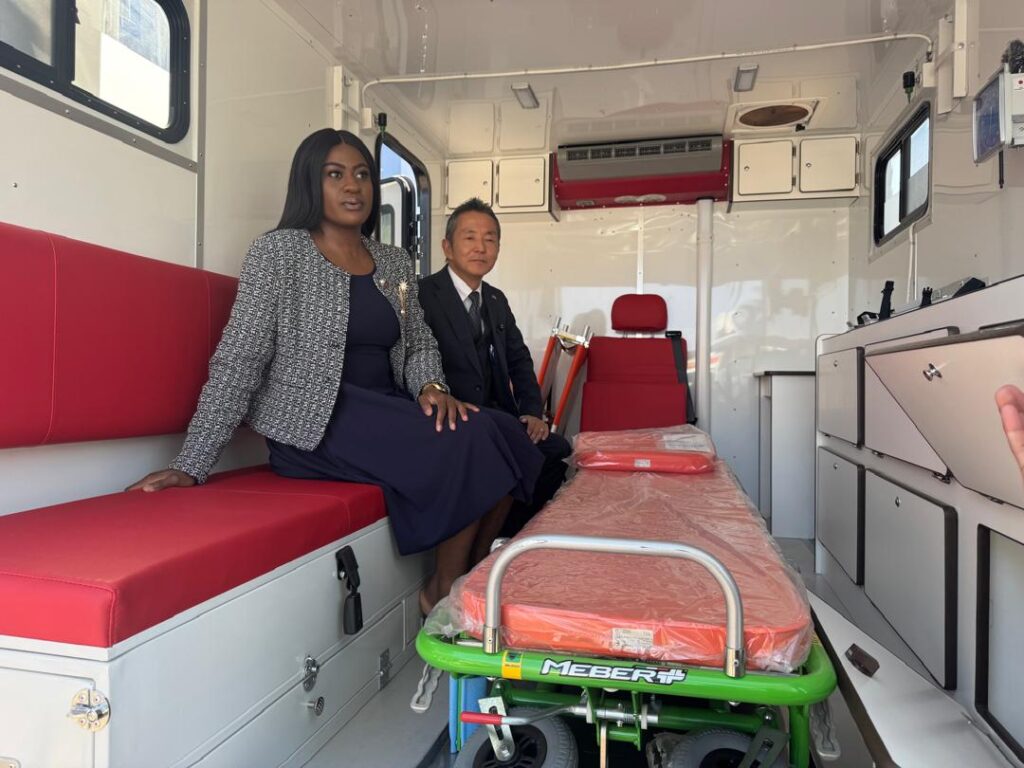
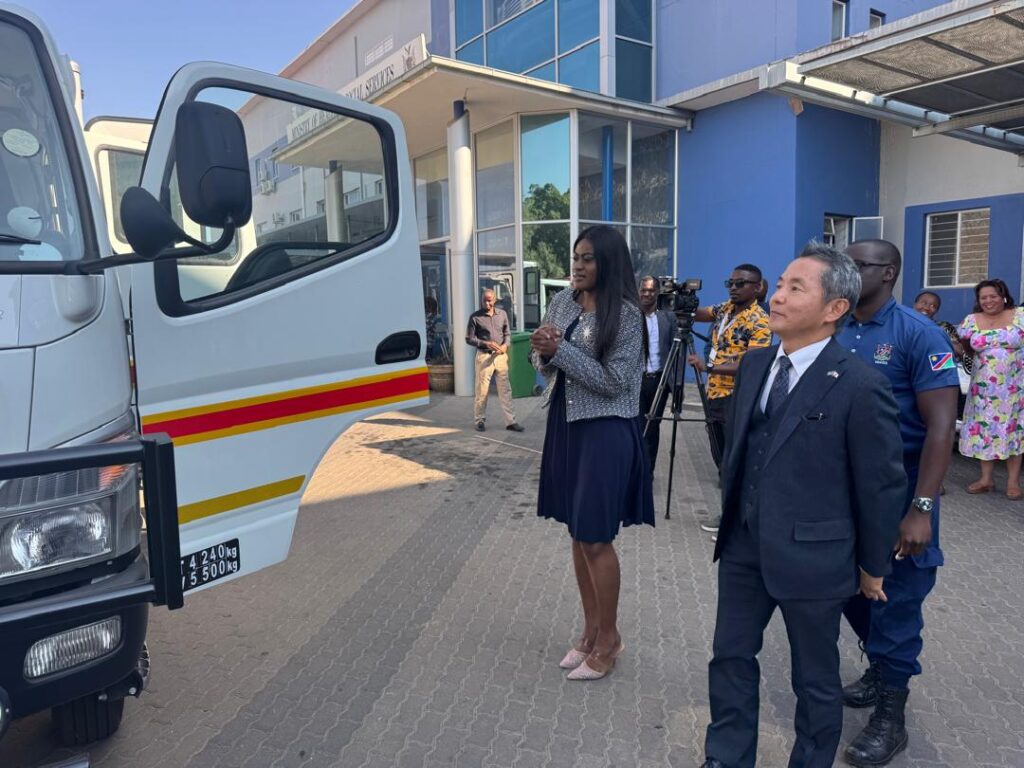
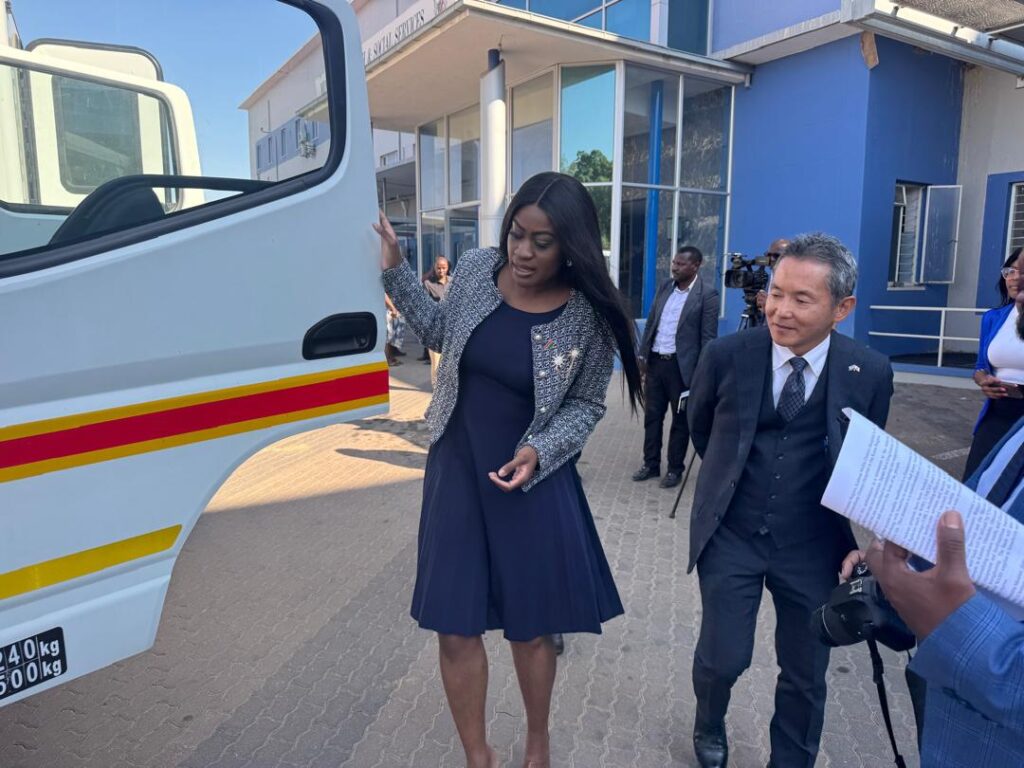
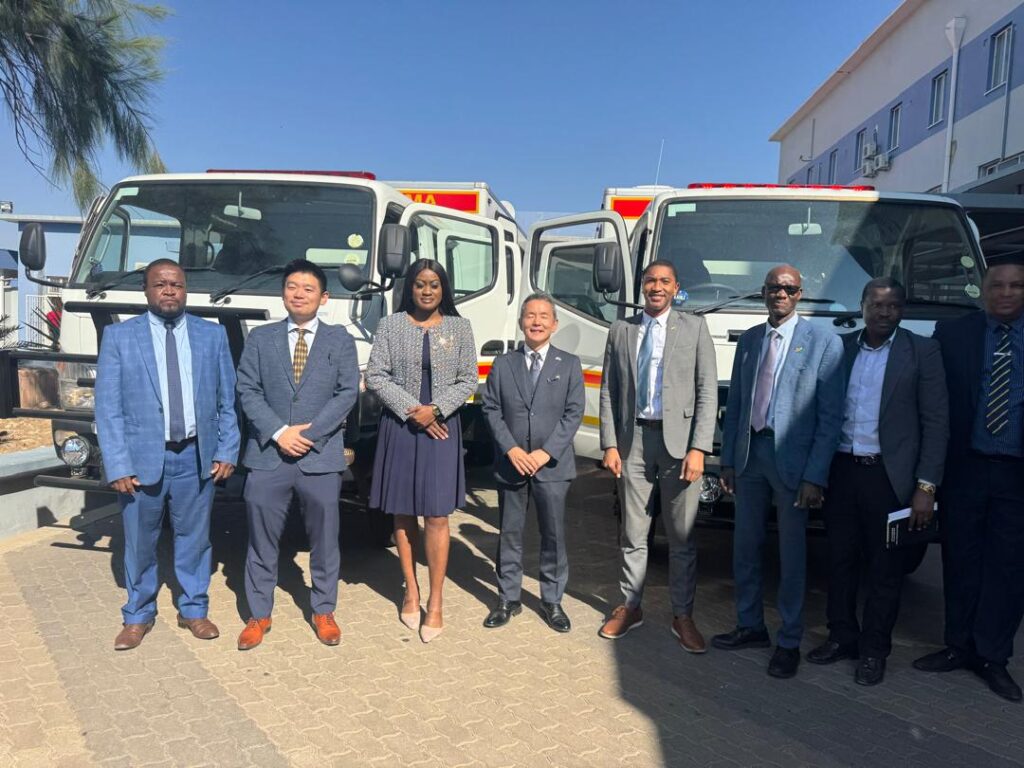
She noted that this geographical reality means patients often have to travel long distances to reach the nearest health centre or hospital, and ambulances are required to cover extensive areas to provide emergency care or transfer patients between facilities.
“Consider this: an ambulance in the Khomas Region might complete three to four patient transfers per day, while in the Kunene Region, an ambulance might only manage one transfer due to the immense distances involved. With a shortage of ambulances, patients must wait longer for a particular ambulance to complete its trip and return for the next patient,” Luvindao added.
She emphasised that the donation plays a significant role in bridging the gap between healthcare facilities and rural communities, helping to ensure equitable access to emergency services.
“Therefore, the donation we celebrate today is especially welcome. These three additional ambulances will be strategically deployed to areas where the need is most acute, improving our emergency response times and expanding our reach to underserved communities. For instance, consider the impact in the Omaheke Region, where a single ambulance often serves an area larger than some European countries. With an additional ambulance, we can reduce patient waiting times by an estimated 40%, enabling quicker access to life-saving interventions,” Luvindao said.
The Minister expressed deep gratitude to the Government of Japan, highlighting the donation as a testament to the enduring friendship between the two nations. She noted that Japan has made significant contributions to strengthening Namibia’s public health infrastructure over the years, including the provision of essential medical equipment such as X-ray machines and ultrasound devices to various district hospitals.
“An ambulance is more than just a vehicle — it represents hope, urgency, and the ability to save lives when every second matters. Today, we are especially grateful to the Government and people of Japan, whose generosity and friendship have made this donation possible. This act of solidarity is not only a gift of ambulances, but a gift of health, dignity, and renewed strength for our emergency medical system. It reminds us that even across oceans and continents, true partnership knows no boundaries,” Luvindao added.


