Staff Reporter
THE Minister of Gender Equality, Dr Emma Kantema, has pointed out that although female representation in key leadership positions has improved, the number of women in Parliament has declined — a development she described as a clear call to action.
“Namibia has made historic strides: we now have our first female President, Vice-President, Speaker of the National Assembly, and Secretary to Cabinet. These milestones inspire us all. Yet, despite this progress, women’s representation in Parliament has declined — from 53.2% in 2024 to just 38 women out of 104 members today. This decline is a call to action. It is our collective duty to demand more women in leadership and to push for mechanisms like the zebra system in our parties to ensure balanced representation,” Kantema said.
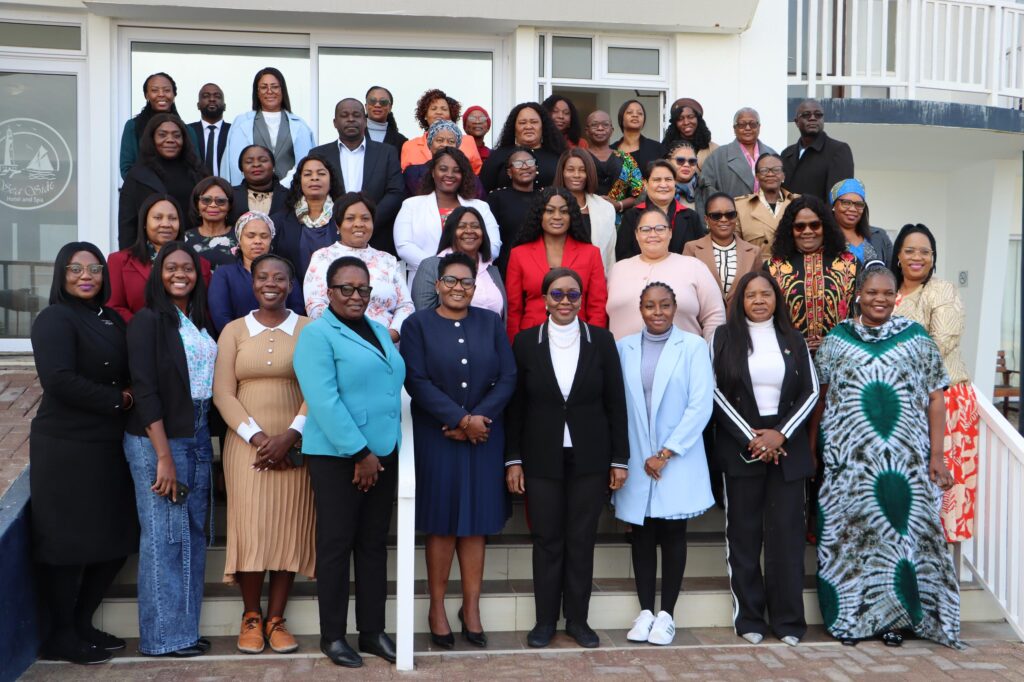
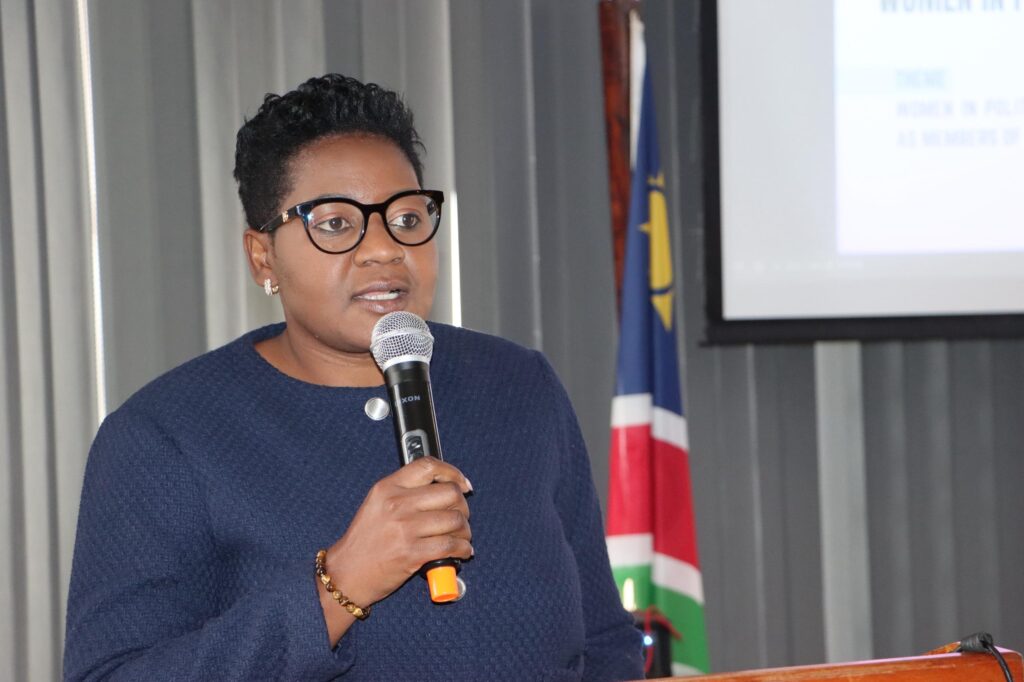
She made these remarks at the Capacity Building Workshop on Women in Politics and Decision-Making, taking place in Swakopmund from 15 to 17 July. The workshop aims to empower women leaders to champion policies that truly reflect the unique perspectives and priorities of women. It was organised by the Ministry of Gender Equality and Child Welfare, in collaboration with the International Institute for Democracy and Electoral Assistance (IDEA).
Kantema highlighted that the workshop focuses on enhancing participants’ skills in applying gender analysis in planning and budgeting, strengthening their oversight roles, and supporting efforts to achieve a gender-equitable allocation of resources.
“At the heart of our work is the essential strategy of Gender-Responsive Planning and Budgeting (GRPB). GRPB is not just a technical process — it is a transformative tool that ensures government budgets and policies respond equitably to the different needs of women, men, girls, and boys. It allows us to allocate resources effectively, address gender disparities, and accelerate socio-economic development,” the Minister added.
The Minister called on parliamentarians to renew their commitment to gender-responsive budgeting across their respective Offices, Ministries, and Agencies, and to advocate for policies that genuinely address the needs of women and girls.
“As women parliamentarians, you are uniquely positioned to support the Ministry in advancing GRPB within your respective Offices, Ministries, and Agencies (OMAs). Your roles in law-making, oversight, and representation give you the influence to ensure that national plans and budgets prioritise gender equality and women’s empowerment,” Kantema said.