Staff Reporter
The Minister of Health and Social Services, Dr Esperance Luvindao, officially opened the Parliamentary Engagement Workshop on Tobacco Control and Alcohol Control Policies – a workshop aimed at exploring tax reforms for tobacco and alcohol products.
The workshop, which is taking place in Windhoek, began on Monday, 14 July 2025, and will conclude on Friday, 18 July 2025. It aims to equip policymakers with the knowledge and skills needed to drive change and implement evidence-based policies and legislation to strengthen tobacco and alcohol control, including through tax reform.
According to the Health Minister, Namibia has made commendable progress in advancing tobacco control, guided by the World Health Organization’s (WHO) MPOWER strategy. However, she emphasised that despite these gains, the harmful effects of alcohol and tobacco use continue to burden the health system.

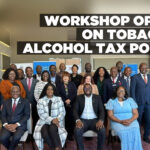
WORKSHOP OFFICIALLY OPENED: Scenes from opening of the workshop. Photo: Ministry of Health.
“It is among the contributing factors to preventable illness and deaths. It is clear that further actions are required, particularly in the area of tax reforms, to discourage high consumption of these products,” she said.
She therefore stressed the importance of regulating not only tobacco and alcohol use, but also other related – but often overlooked – substances such as hookah. The workshop that opened on Monday thus provides a platform for policymakers to deliberate on these matters.
In addition to exploring ways to strengthen tobacco and alcohol control, the workshop also aims to update policymakers on the burden of non-communicable diseases and their associated risk factors, promote the integration of brief tobacco interventions into existing frameworks, and provide insights into tax policy and administration for tobacco control.
It also seeks to highlight global and regional best practices in strengthening tobacco control legislation, with a focus on experiences with “sin taxes” in the Southern African region, and to offer an overview of the WHO SAFER initiative and strategies for effective alcohol control.