


Staff Reporter
THE Ministry of Health and Social Services, in partnership with UNICEF, the World Health Organization (WHO), and the Cancer Association of Namibia, has launched a nationwide campaign to raise awareness about the Human Papillomavirus (HPV) vaccine and its role in preventing cervical cancer.
The initiative forms part of Namibia’s national immunisation programme and will offer the HPV vaccine to girls aged 9 to 14 years across the country. The vaccine, which has been available in Namibia’s private sector since 2007, is a proven and effective tool in the fight against cervical cancer — a leading cause of cancer-related deaths among Namibian women.

Photo: Ministry of Health and Social Services-Namibia
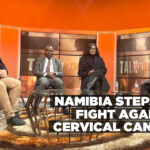
Speaking during a live broadcast of NBC Talk of the Nation, Minister of Health and Social Services Dr Esperance Luvindao called on parents and guardians to support the campaign by allowing their daughters to receive the vaccine.
“This is about saving lives — especially the lives of our young girls,” said Dr Luvindao. “We are seeing far too many women affected by this disease. The numbers speak for themselves, and this is why we are urging parents and guardians to protect their daughters through vaccination.”
The Minister stressed that the vaccine is voluntary and no child will be forced to take it. However, she reaffirmed the Ministry’s commitment to transparency and to equipping families with accurate information.
“We welcome all questions and encourage open dialogue so that families can make informed decisions based on facts — not fear or misinformation,” she said. “We all want the same thing: to keep our children healthy and safe. But we must not allow misinformation, especially from unverified social media sources, to endanger lives.”
Dr Luvindao added that the government’s mandate is to protect life, and that prevention through vaccination is one of the most effective tools available.
Echoing the Minister’s message, WHO Representative in Namibia Dr Richard Banda praised the introduction of the vaccine, calling it a milestone in public health.
“This vaccine has gone through rigorous scientific and clinical testing. It is safe, effective, and has already been administered to millions of girls worldwide,” said Dr Banda.
He explained that the target age group — girls between 9 and 14 years — was chosen because the vaccine works best before the onset of sexual activity, as HPV is mainly transmitted through sexual contact.
“This is not about promoting behaviour; it is about prevention, protection, and saving lives,” he said. “We are not just preventing a disease — we are saving a generation.”
Dr Banda expressed hope that, in time, no woman in Namibia would die from cervical cancer thanks to nationwide vaccination efforts.
UNICEF’s Officer-in-Charge and Public Health Specialist, Dr Gloria Siseho, highlighted the organisation’s continued support for strengthening healthcare systems to ensure the vaccine reaches every eligible girl.
“No girl should die from cervical cancer — a disease we can now prevent,” said Dr Siseho. “UNICEF is proud to work with the Namibian government by providing financial support, logistics, and training of healthcare workers.”
Rolf Hansen, Director of the Cancer Association of Namibia, commended the country’s efforts and pointed to the successful example of Rwanda — the first country to roll out nationwide HPV vaccination and cervical cancer screening.
“Namibia has one of the highest burdens of cervical cancer in the SADC region,” said Hansen. “Each year, we lose between 400 to 500 women to this preventable disease — many from rural communities.”
“No woman should have to die simply because she wasn’t protected in time. This vaccine gives us the power to stop that.”
As Namibia embarks on this important public health campaign, the message from leaders and partners is clear: unity, informed decisions, and prevention can save lives — and protect generations to come.


