


Maria David
THE safety and well-being of the public remain paramount for the Electricity Control Board (ECB), yet recent figures paint a concerning picture within its electricity supply industry.
Over the past four years, the ECB has recorded a total of 17 electricity-related incidents.
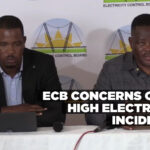
Thus, the Chief Executive Officer of the Electricity Control Board (ECB), Robert Kahimise, urged the public not to use unregistered electricity contractors to avoid the loss of lives.

Kahimise made the request during a media conference held at Ondangwa on Tuesday, saying that just because one is an electrician does not mean they are qualified to install electricity.
This follows after Kahimise revealed that 17 people suffered as a result of electrical incidents in the last four years in their electricity supply industry.
He indicated that out of the 17 people, seven were reported in Northern Electricity Distribution (NORED), accounting for 41 percent of the reported incidents and 63 percent of the reported fatalities.
“The ECB has been closely monitoring incident trends within the ESI, and the number of incidents is on the rise. This trend calls for immediate intervention from both the regulator and ESI licensees to ensure that safety is restored within the industry,” he said.
He added that given the high accident rate in the NORED license area, the ECB appointed an independent industry expert to investigate the 2024 fatality incident involving NORED employees, and specific directives were issued to NORED management for implementation.
Kahimise stressed that NORED has implemented 70 percent of the ECB’s safety directives.
Meanwhile, NORED Acting CEO Toivo Shovaleka indicated that they are gravely concerned about electrical incidents occurring on their network across their area of operation, as this is completely against their strategic objective to ensure ‘zero harm’ to their employees, community, and members of the public.
Shovaleka said with dismay that some homeowners and business owners have opted to use unlicensed contractors and electricians to carry out electrical work.
“Therefore, I would like to remind them that ‘cheap’ labour is very costly, and they should refrain from this option,” he added.
He stressed that electricity is very dangerous, and if one decides to appoint an unlicensed person to wire their house or business, they subject themselves and their family to danger.
Further, Shovaleka said that they have said a culture of non-compliance with regulatory safety tools such as the Namibia Electricity Safety Code (NESC), particularly when their employees are dealing with electricity.


