Staff Reporter
THE Japanese ambassador to Namibia, Hisao Nishimaki, and a delegation from the United Nations Food and Agriculture Organization (FAO) recently visited agricultural projects in the Ohangwena Region, which have benefited from funding by Japan and are supported by FAO.
FAO is building resilient livelihoods in Namibia’s drought-stricken communities in the Ohangwena Region, thanks to generous funding from Japan.
The delegation visited several agricultural project sites supported by FAO, focusing on empowering emerging small-scale farmers in rural communities highly vulnerable to the impacts of climate change.
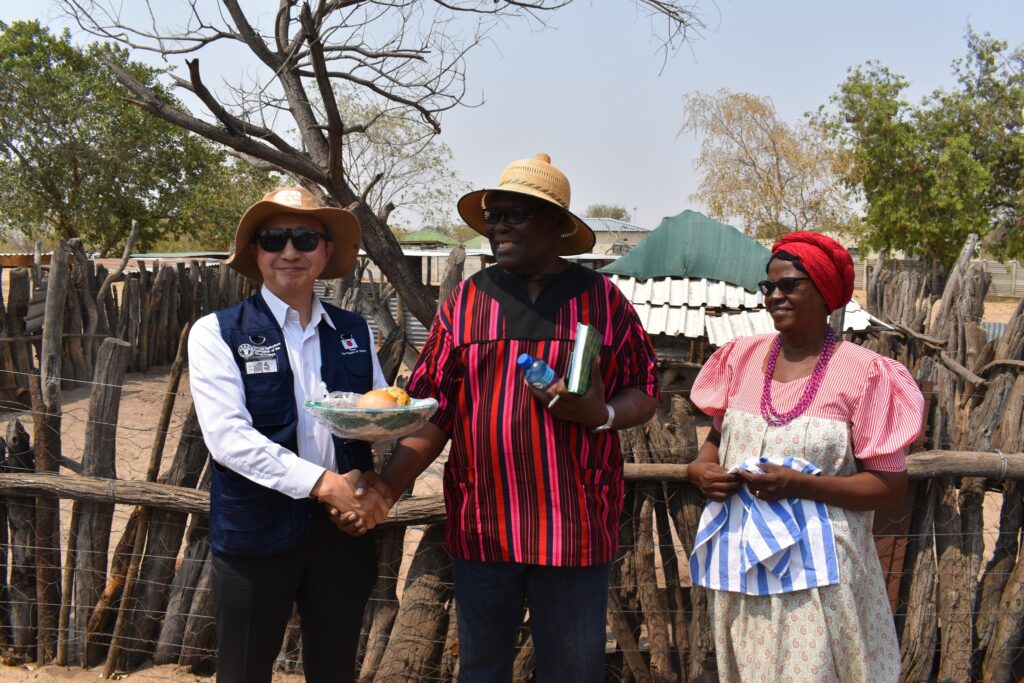
EMPOWERING OHANGWENA THROUGH AGRICULTURE: Scenes from FAO/Japanese delegation visits agricultural projects in Ohangwena. Photos: FAO Namibia. 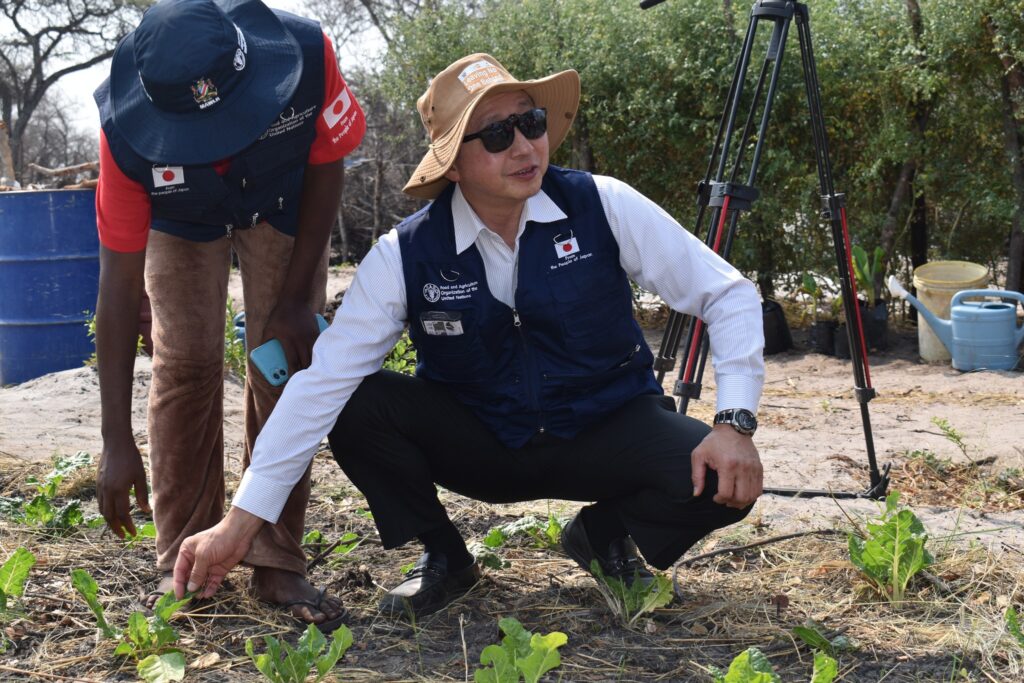
EMPOWERING OHANGWENA THROUGH AGRICULTURE: Scenes from FAO/Japanese delegation visits agricultural projects in Ohangwena. Photos: FAO Namibia. 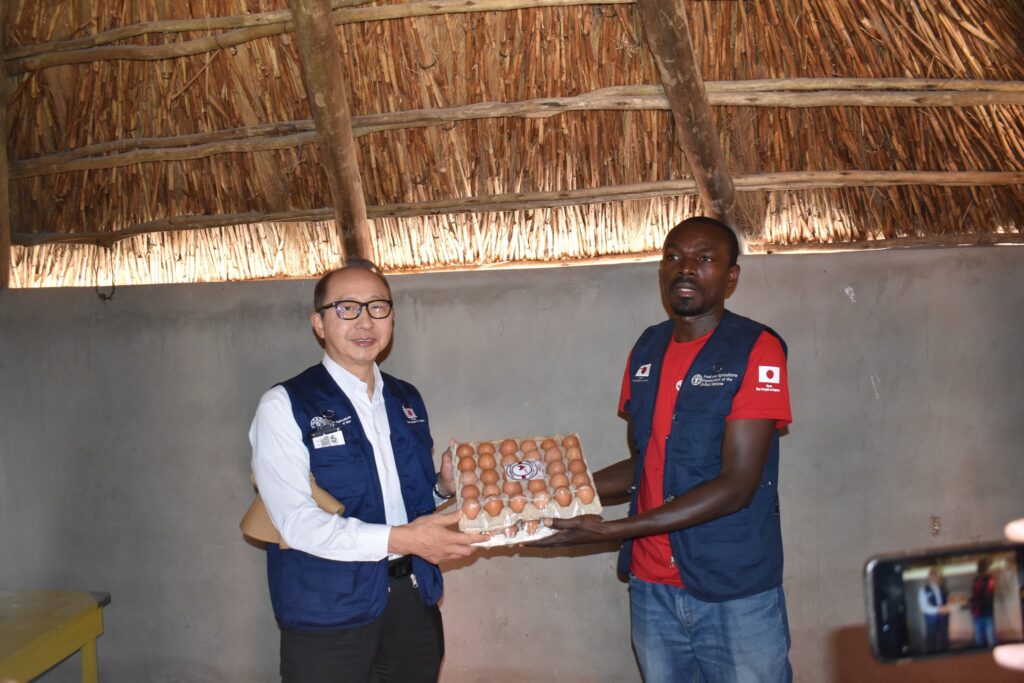
EMPOWERING OHANGWENA THROUGH AGRICULTURE: Scenes from FAO/Japanese delegation visits agricultural projects in Ohangwena. Photos: FAO Namibia. 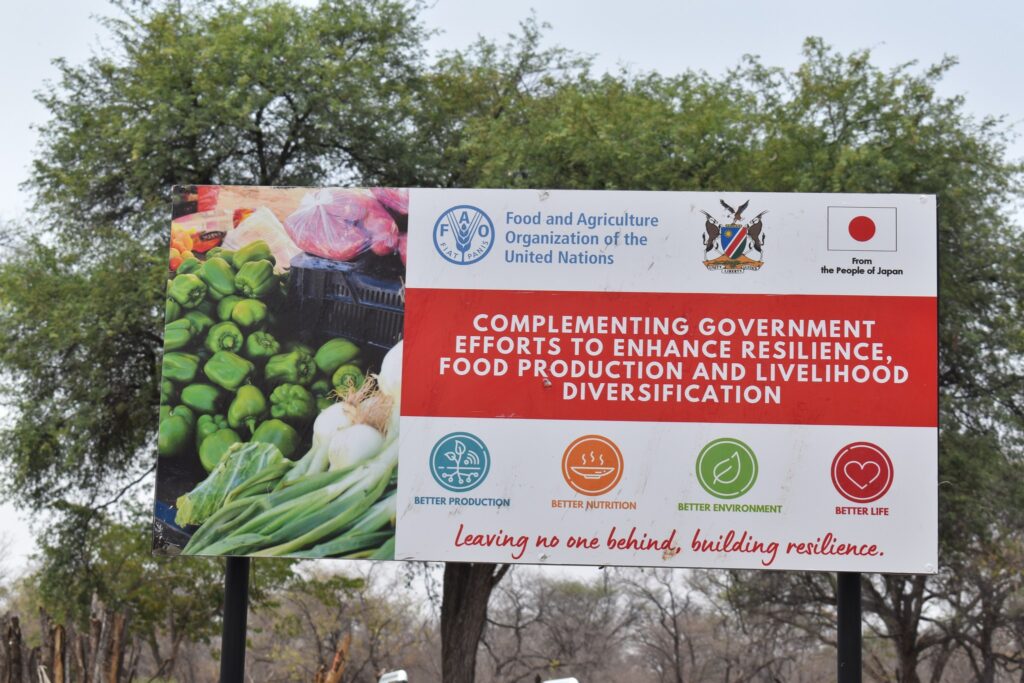
EMPOWERING OHANGWENA THROUGH AGRICULTURE: Scenes from FAO/Japanese delegation visits agricultural projects in Ohangwena. Photos: FAO Namibia. 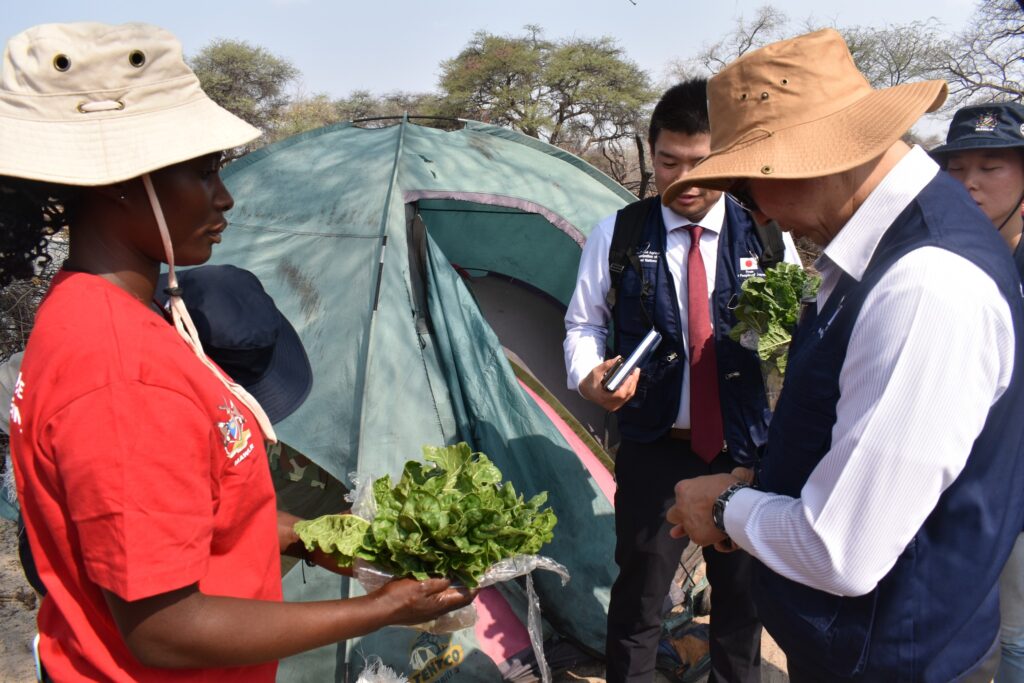
EMPOWERING OHANGWENA THROUGH AGRICULTURE: Scenes from FAO/Japanese delegation visits agricultural projects in Ohangwena. Photos: FAO Namibia. 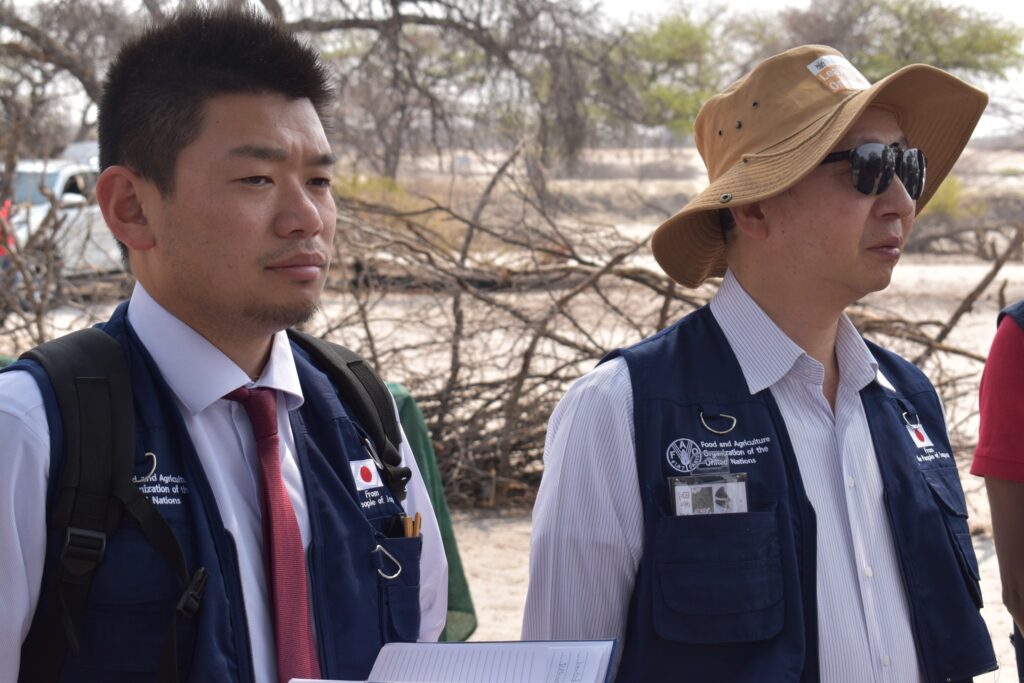
EMPOWERING OHANGWENA THROUGH AGRICULTURE: Scenes from FAO/Japanese delegation visits agricultural projects in Ohangwena. Photos: FAO Namibia. 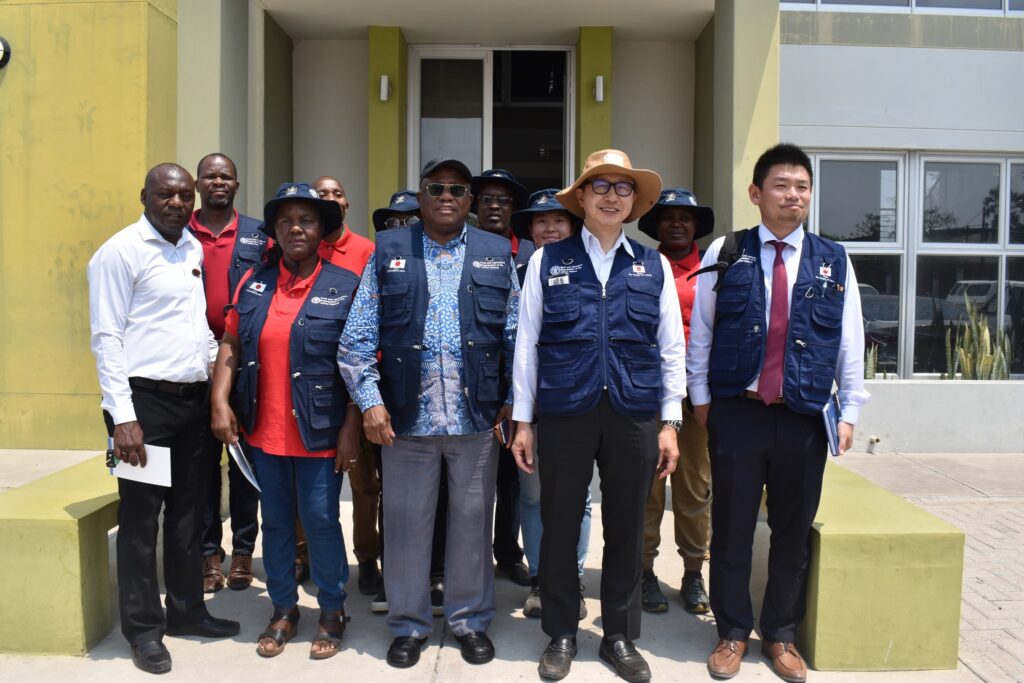
EMPOWERING OHANGWENA THROUGH AGRICULTURE: Scenes from FAO/Japanese delegation visits agricultural projects in Ohangwena. Photos: FAO Namibia.
According to an FAO statement, the visit was part of the recently concluded FAO project titled “Emergency Response to Mitigate Multiple Shocks and Enhance Resilient Livelihoods in Namibia,” which received a total investment of US$ 1.2 million from Japan. The project was implemented across four regions, namely Ohangwena, Kavango West, Zambezi, and //Kharas.
The project provided essential materials and training support to small-scale farmers, improving food security and strengthening livelihoods in the face of droughts, economic shocks, and other climate-related challenges.
During the visit, Ambassador Nishimaki had the opportunity to meet various beneficiaries, including Immanuel Shitwomunhu, a poultry farmer from Onhanadi, Endola; Reverend Fillipus Haulofu, a pig farmer from Ondobe; and Shangelao Hauwanga, a youth horticulture farmer from Oshamono. “Each of these farmers has benefited from FAO’s support in developing their farming operations and securing sustainable livelihoods,” the FAO statement said.
At the Onhanadi poultry farm, Ambassador Nishimaki witnessed firsthand the success of a small-scale operation that has grown from humble beginnings. Starting with fewer than ten chickens, the farm now raises 1,000 chickens and supplies ready-to-slaughter birds, chicks, and table eggs.
Thanks to the material and equipment support provided by FAO, the farm has expanded its capacity to meet high customer demand. The donation of layer cages and a chicken plucker machine has significantly improved the farm’s operational efficiency.
Shitwomunhu was quoted as saying:
“Before we had the chicken plucker machine, we had to manually pluck the feathers, which took a lot of time and effort. Plucking 500 birds took us more than 3-4 days, but now it only takes a few hours.”
The delegation also visited Limbandungila Pig Farm in Ondobe village, owned by Reverend Haulofu. With FAO’s support, the project received pig feed and shading material, improving conditions for the livestock.
Reverend Haulofu expressed his gratitude for the assistance while highlighting the continued need for additional feed for the pigs, which remains a challenge.
The delegation’s final stop was 26-year-old Hauwanga’s horticulture project in Oshamono village. After dropping out of university due to financial challenges, Hauwanga ventured into farming to sustain herself and her family.
“My friends thought I was crazy when I first started the garden, but now they see that I am progressing well in life as I am able to earn an income from it. I hope to inspire others to work hard and not shy away from farming,” Hauwanga said.
Supported by FAO, Hauwanga’s project is part of a broader effort by FAO to train and empower local youth and unemployed individuals, turning them into farmers and helping them generate income through agricultural activities.
Ambassador Nishimaki praised the farmers’ efforts and FAO’s commitment to building resilient livelihoods, stating, “I am very impressed with the dedication of these farmers to improve their lives despite the challenges they face. FAO’s work to ensure no one is left behind is evident, especially given the diversity of beneficiaries and the remote areas they serve.”
He reaffirmed Japan’s ongoing support, saying, “Japan remains committed to uplifting small-scale farmers in Namibia and helping the country achieve food security.”
Gift Kamupingene, FAO National Project Coordinator, expressed gratitude to the Government of Japan for funding FAO’s resilience-building efforts to empower farmers.
“We sincerely thank the Government of Japan for their unwavering support in enabling FAO to help vulnerable communities through these projects. In the face of growing climate challenges, particularly drought, FAO remains committed to building resilient livelihoods in Namibia.”
Between 2022 and 2023, FAO implemented various climate resilience-building projects funded by the Government of Japan, amounting to N$24 million, in collaboration with the Ministry of Agriculture, Water and Land Reform.
Recently, FAO received N$12.9 million to upscale efforts in strengthening the capacity of small-scale farmers in the Ohangwena, Kavango East, and Kavango West regions between March 2024 and March 2025. These projects provide a model for climate-resilient agriculture and seek to improve the livelihoods of vulnerable rural communities.