Staff Reporter
ST. Petersburg Polytechnic University (SPbPU, Russia) will create a laboratory to conduct research on the use of hydrogen energy as a sustainable source in the near future. The topic is actively developing worldwide and may provide fresh insights into energy for Africa.
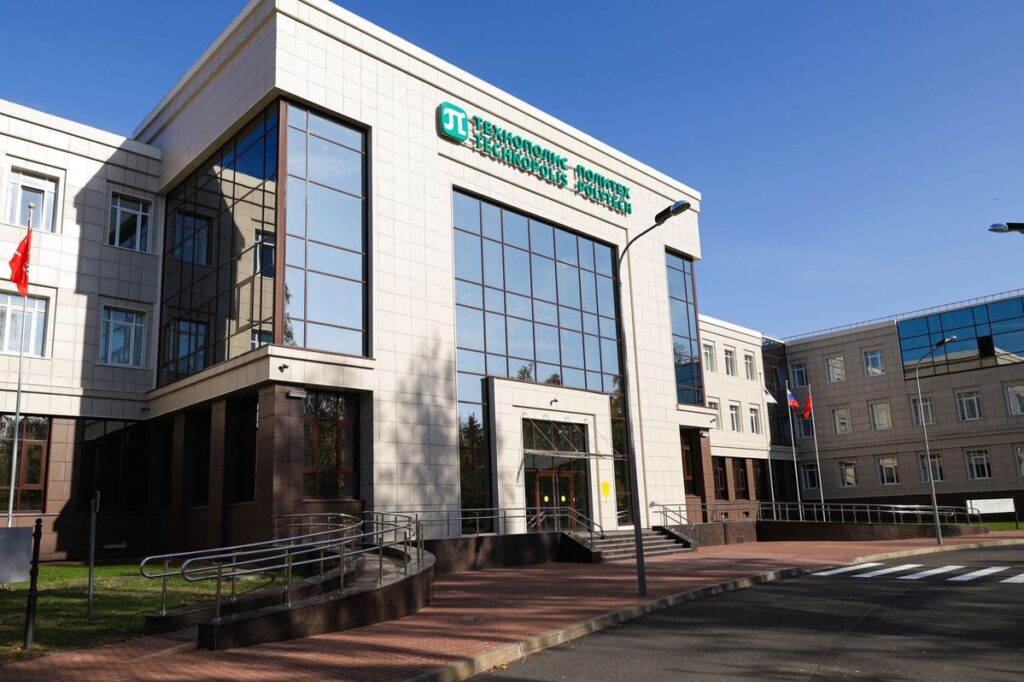
Peter the Great St. Petersburg Polytechnic University (SPbPU, part of the Consortium of Rosatom’s Flagship Universities), together with Rosatom’s Mechanical Engineering Division CDBMB JSC, has begun creating a laboratory to study chemical technologies using digital solutions for hydrogen energy projects.
The laboratory will be equipped with the latest equipment so master’s students can carry out research on chemical technologies, develop kinetic models of catalytic processes (including the production of hydrogen and its derivatives such as ammonia, methanol, and synthetic fuels), and collect data to create and verify digital twins. Up to 15 people will be able to work in the laboratory at the same time. The laboratory is scheduled to open in autumn 2024.
“Today, hydrogen technologies play a key role in the development of the chemical industry and energy sector. The modern energy sector needs an efficient and eco-friendly fuel, and hydrogen will become such an energy source in the near future. The knowledge-intensive projects of the Advanced Engineering School, in collaboration with CDBMB JSC, provide the foundation for new-generation equipment that will allow the industrial partner to become a technology licensor and take a leading position in this new industry,” concluded Yuri Aristovich, Head of the “Digital Engineering of the Main Equipment of Chemical-Engineering Systems” scientific and educational centre.
SPbPU’s Advanced Engineering School, with the support of CDBMB JSC, has organized the new master’s program “Digital Engineering of the Main Technological Equipment of Hydrogen Technologies and New Generation Energy Systems” for the 2024-2025 academic year. The program starts on September 1, 2024.
“The importance of scientific research in master’s training cannot be understated. In the new laboratory, students will not only master the methodology of scientific research and gain valuable research experience but will also be able to conduct important studies within the framework of CDBMB JSC’s promising hydrogen energy projects,” said Alexey Mikhailov, Director of Business Development at CDBMB JSC.
The laboratory may also be valuable for training African students and facilitating the exchange of research experience. Developing renewable hydrogen production in Africa would allow African nations to meet domestic electricity needs while becoming major exporters to supply growing global demand. The use of hydrogen as a fuel is not a new concept. It is currently widely used in various applications such as fuel for cars, refining petroleum, treating metals, producing fertilizer, and processing food. Hydrogen releases a significant amount of energy when used as fuel, almost three times what can be obtained from diesel or gasoline.