Maria David
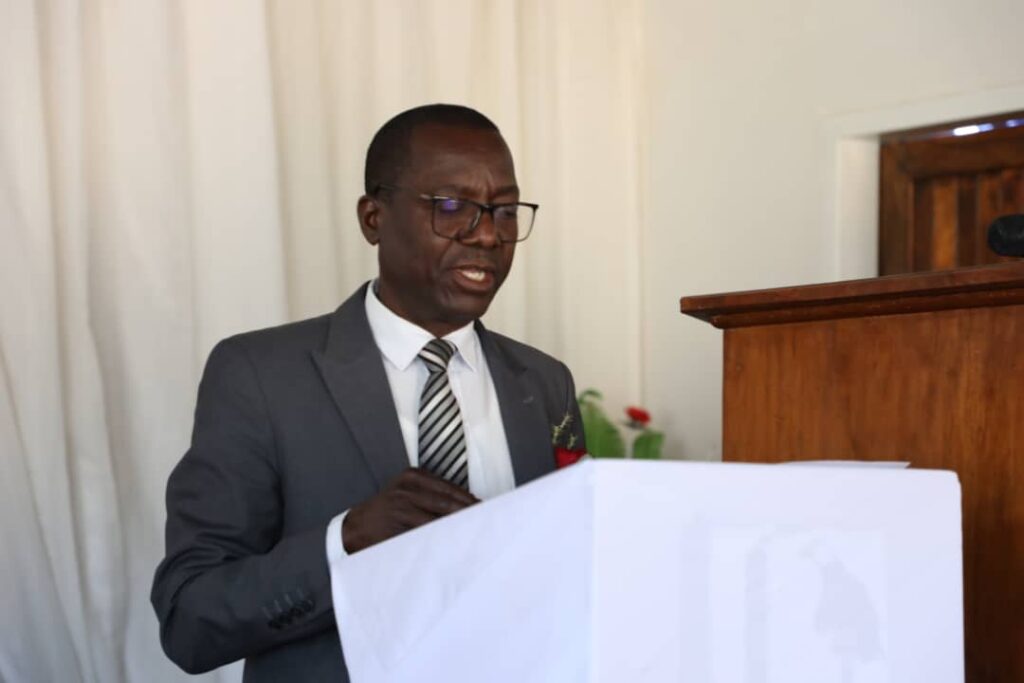
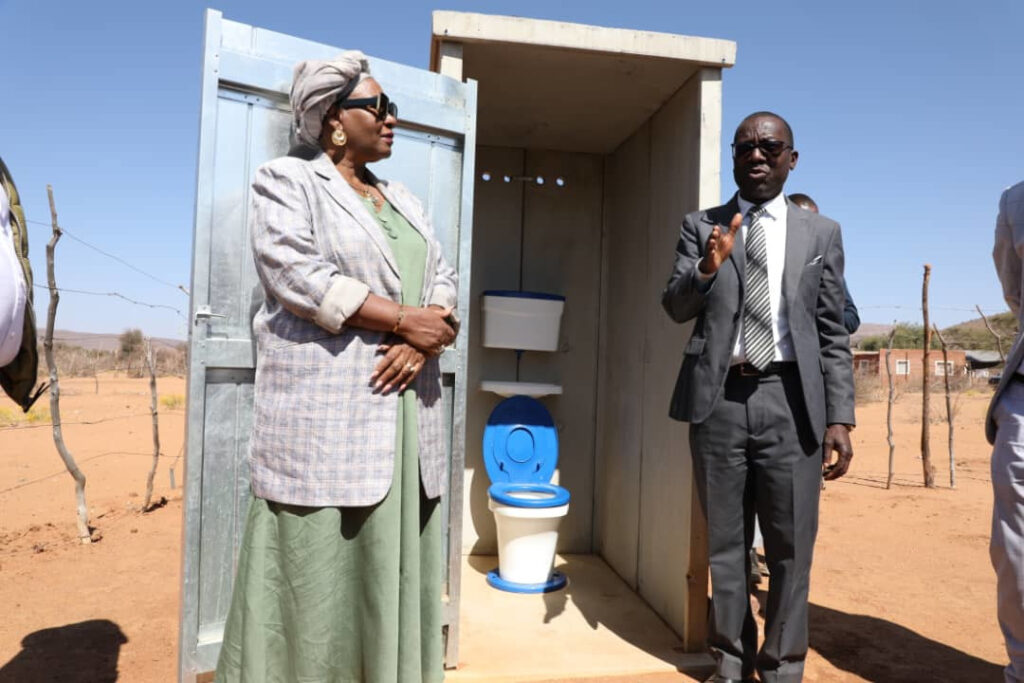
MINISTER of Urban and Rural Development, Erastus Uutoni, said that the implementation of the Rural Sanitation Programme and the reduction of open defecation currently stands at 70% in rural areas.
Uutoni revealed this during the handover ceremony of projects funded by the Khomas Regional Council at Windhoek Rural on Thursday.
According to Uutoni, the government alone cannot provide toilets to every household. Therefore, Regional Councils and all stakeholders, including Traditional Authorities, should continue to play a leading role in triggering and rolling out WASH initiatives in their respective regions and villages.
“This mobilisation should be carried out in close collaboration with the decentralised offices of the Ministry of Agriculture, Water and Land Reform, which is the national coordinator of the sanitation initiatives in the country,” he said.
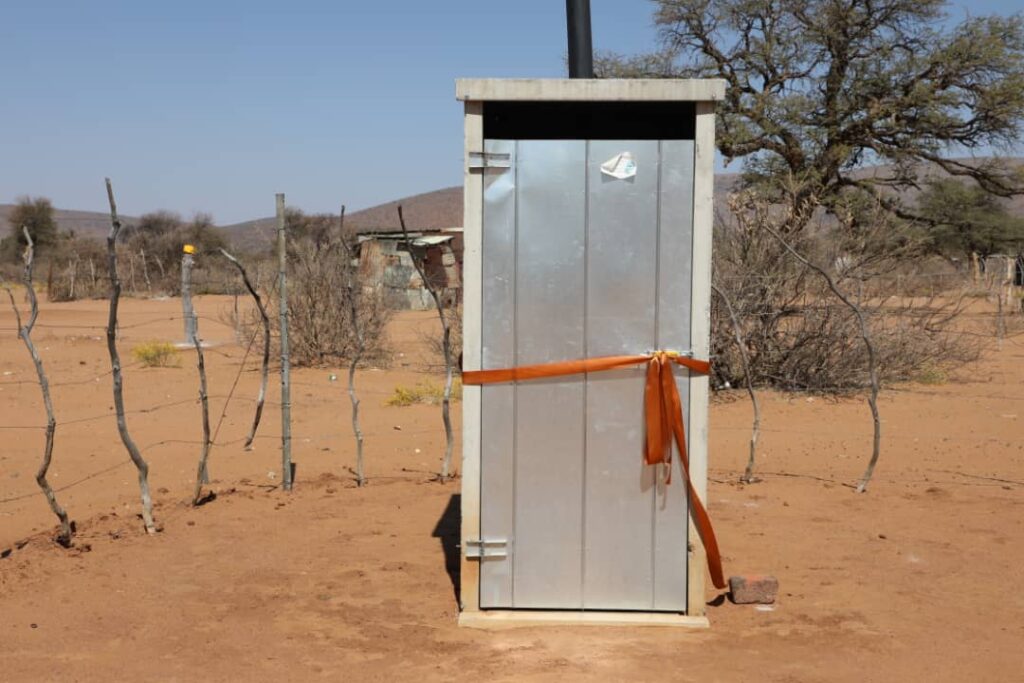
Further, he indicated that over the past five years, the Regional Council constructed around 758 toilets at a cost of around N$11.3 million.
For the financial year 2023/24, Uutoni said that the council constructed 103 toilets at Hamis as well as Hatsamas at a cost of about N$1.24 million.
“The budget for the construction of toilets is provided by the central government through the Ministry of Urban and Rural Development, as well as by the regional council,” he added.
Uutoni then said that the emphasis of the Rural Sanitation Programme should be on the promotion of self-build and use of sanitation and hygiene facilities, as well as public health campaigns to change sanitation behaviours and personal hygiene practices through community participation.
He stressed that the government, through the Ministry of Urban and Rural Development, remains committed to the task of delivering much-needed development to all 14 regions and as many Namibians as possible.