Zorena Jantze
THE Ministry of Environment, Forestry, and Tourism, giving an update on a plan announced to cull wild animals to aid in the efforts of the drought relief, said that it would cull 723 wild animals to feed Namibians hit by food insecurity.
Romeo Muyunda, Chief Public Relations Officer at the Environment Ministry, said that the Ministry, with Cabinet approval, is contributing game meat to support the drought relief programme by the government.
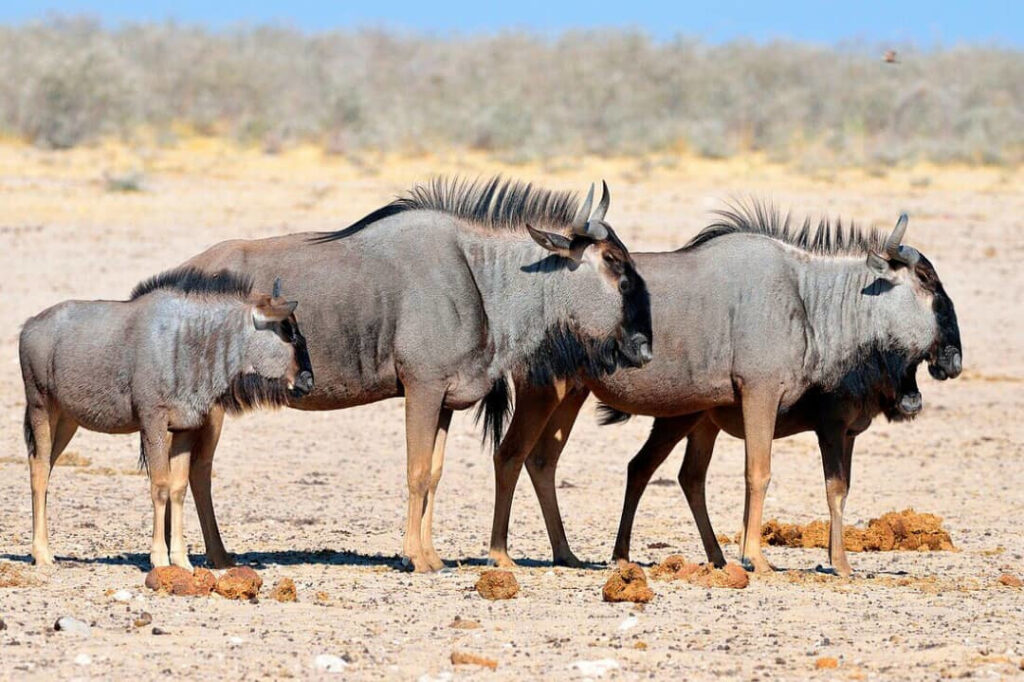
“The Ministry will contribute 723 animals comprising 30 hippos, 60 buffalos, 50 impalas, 100 blue wildebeest, 83 elephants, 300 zebras, and 100 elands. The animals will be sourced from national parks with sustainable game numbers and limited disturbance to tourism. Cabinet, in decision number 14th/29.08.23/001, approved the ‘Namibia Livelihood Vulnerability Assessment and Analysis (VAA) Report’ requiring the Ministry to support the drought relief programme with the provision of meat. The animals are being sourced from Namib Naukluft Park, Mangetti National Park, Bwabwata National Park, Mudumo National Park, and Nkasa Rupara National Park,” Muyunda said.
He added that the Environment Ministry will also assist in reducing the negative impact of drought on the conservation of wild animals in our national parks.
“There is no doubt that drought is affecting most sectors, conservation included. This will assist in managing the current grazing pressure and water availability by reducing wildlife numbers in some parks where we feel numbers exceed available grazing and water. An arrangement has been made with the Office of the Prime Minister and Meatco for the Ministry to provide game meat for the drought relief programme. In our view, this is in line with our constitutional mandate where our natural resources are used for the benefit of Namibian citizens. This is also a prime example that conservation of game is really beneficial. We are happy that we can assist the country in this very difficult time and when it’s absolutely needed,” Muyunda said.
He added that not only do Namibians benefit through the meat provided for drought relief, but that the Ministry has over the years supplied meat for national, regional, and traditional events in line with our policies and laws.
“Game meat benefits are also extended to communities in rural areas, especially those in conservancies. This underscores the significance of conservation in the country. The provision of meat improves people’s nutrition and contributes to poverty reduction. This is in addition to other ongoing economic benefits such as employment creation and income generation enhanced by conservation of wildlife species and associated sectors such as tourism. On this basis, Namibians have reason to support ongoing conservation efforts of wildlife species. We must therefore collectively shun and condemn illegal activities against our wild animals. Poaching, among other forms of wildlife crime, will compromise the benefits for which our conservation is intended,” Muyunda concluded.
According to the June 2024 Drought Situation Report released by the Office of the Prime Minister, the updated projection conducted by the Office of the Prime Minister on acute food insecurity population between July 2024 – September 2024 suggests that about 1.4 million people (translating to 48% of the total population) are expected to be food insecure. The food assistance under the current comprehensive nationwide drought programme is benefiting 341,855 households (inclusive of 33,105 marginalized households and 1,835 malnutrition households).
The financial implications of the drought relief programme will cost the government about N$ 1.3 billion, whilst currently it only has about N$ 829.9 million, leaving a funding gap of about N$ 482 million dollars.