Staff Reporter
THE Minister of Environment, Pohamba Shifeta, stressed the need for member states of the Kavango Zambezi Transfrontier Conservation Area (KAZA TFCA) to take charge of the area’s development and management, emphasising that ownership and control should remain within member countries.
“In order to strengthen KAZA governance and development, we should continue to provide political leadership in all matters related to the development and management of the KAZA TFCA and ensure that the ownership and control of the TFCA remains with our member countries,” Shifeta said.
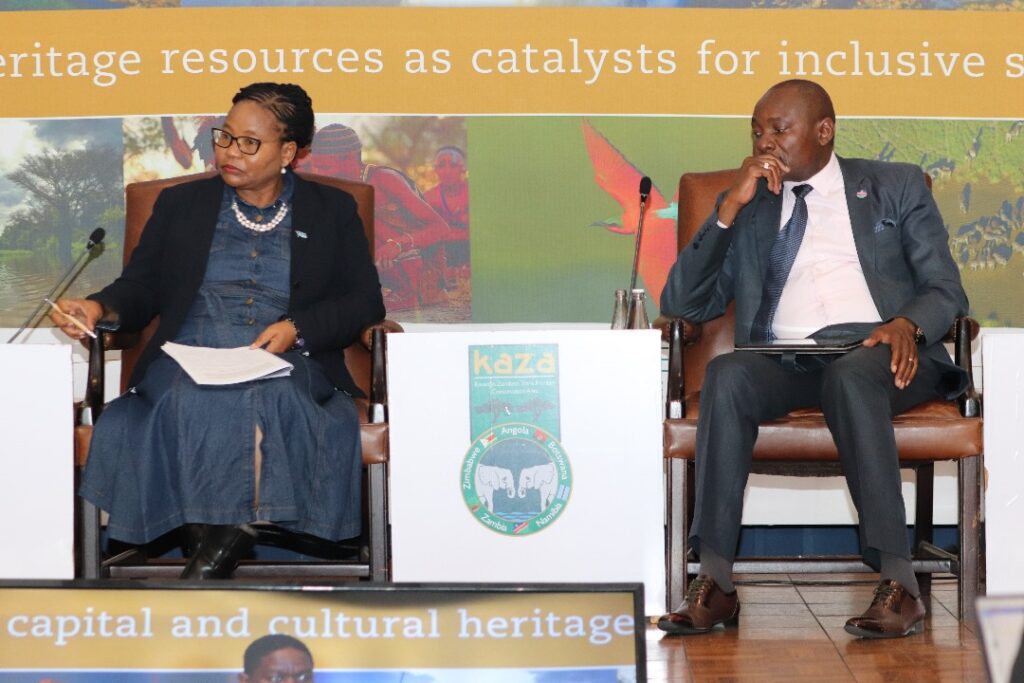
PICTURED: Scenes from the KAZA Summit in Livingstone, Zambia. Photos: Ministry of Environment, Forestry and Tourism. 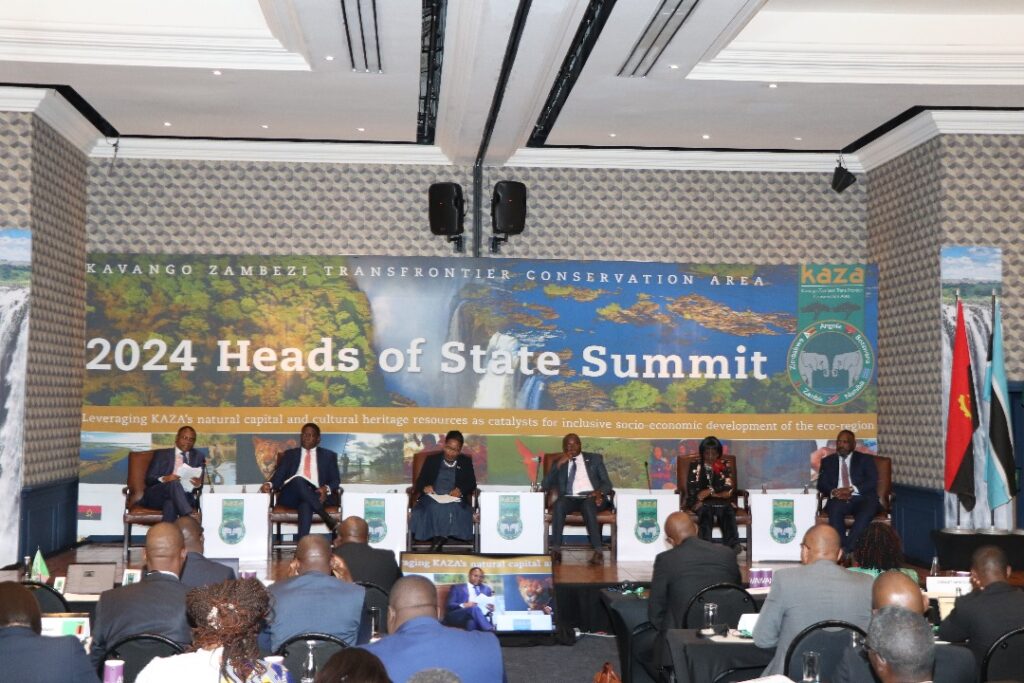
PICTURED: Scenes from the KAZA Summit in Livingstone, Zambia. Photos: Ministry of Environment, Forestry and Tourism. 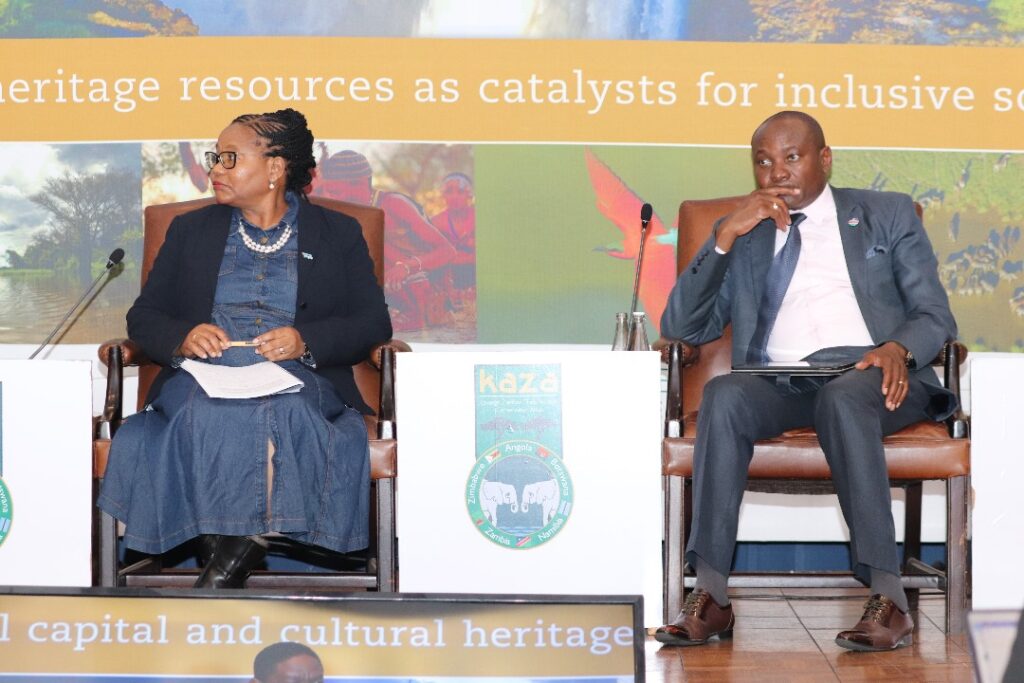
PICTURED: Scenes from the KAZA Summit in Livingstone, Zambia. Photos: Ministry of Environment, Forestry and Tourism. 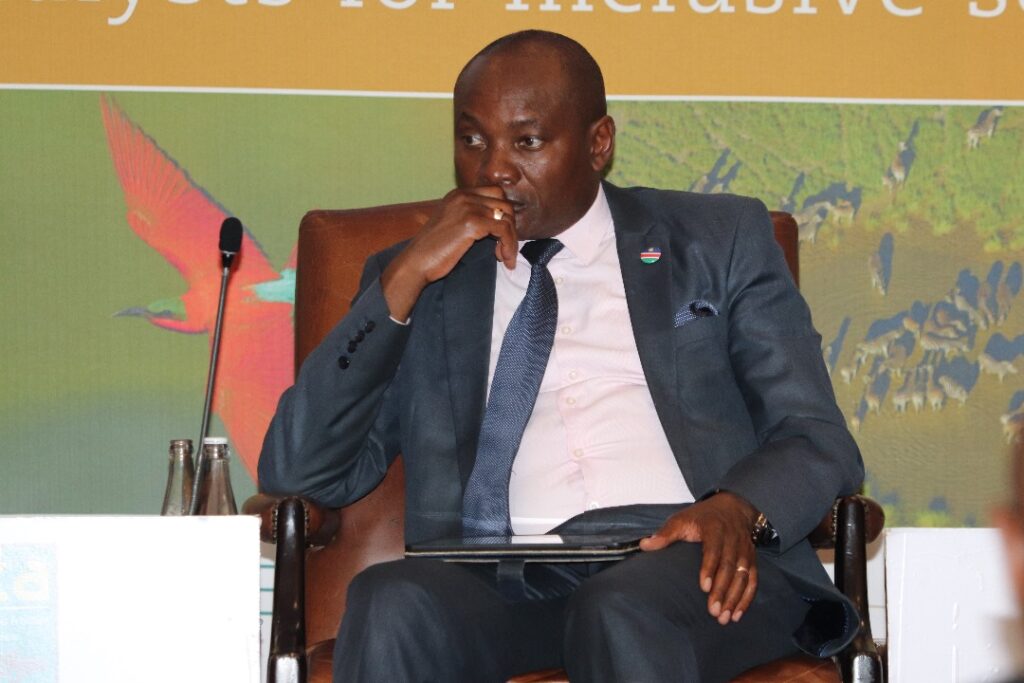
PICTURED: Scenes from the KAZA Summit in Livingstone, Zambia. Photos: Ministry of Environment, Forestry and Tourism. 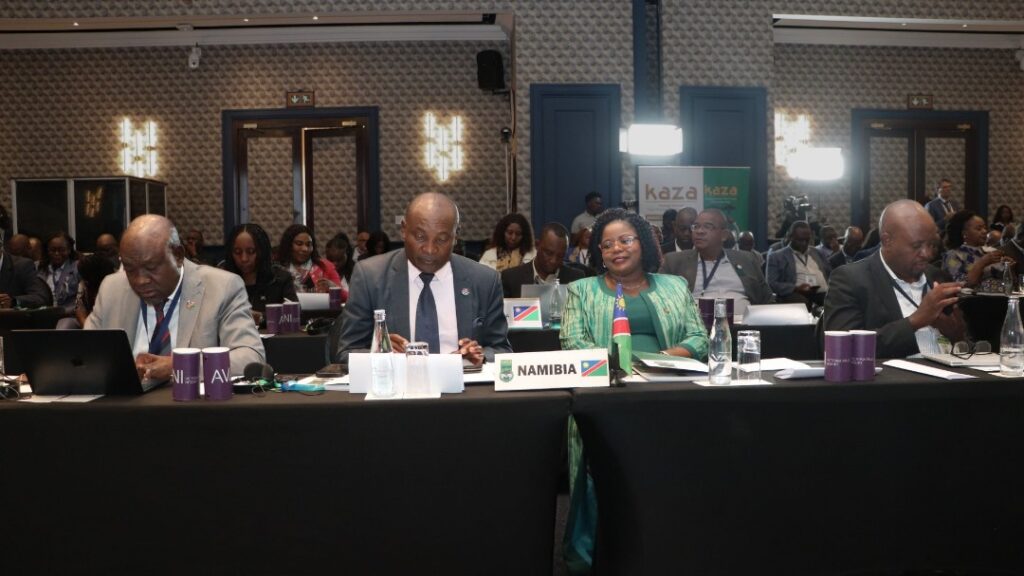
PICTURED: Scenes from the KAZA Summit in Livingstone, Zambia. Photos: Ministry of Environment, Forestry and Tourism. 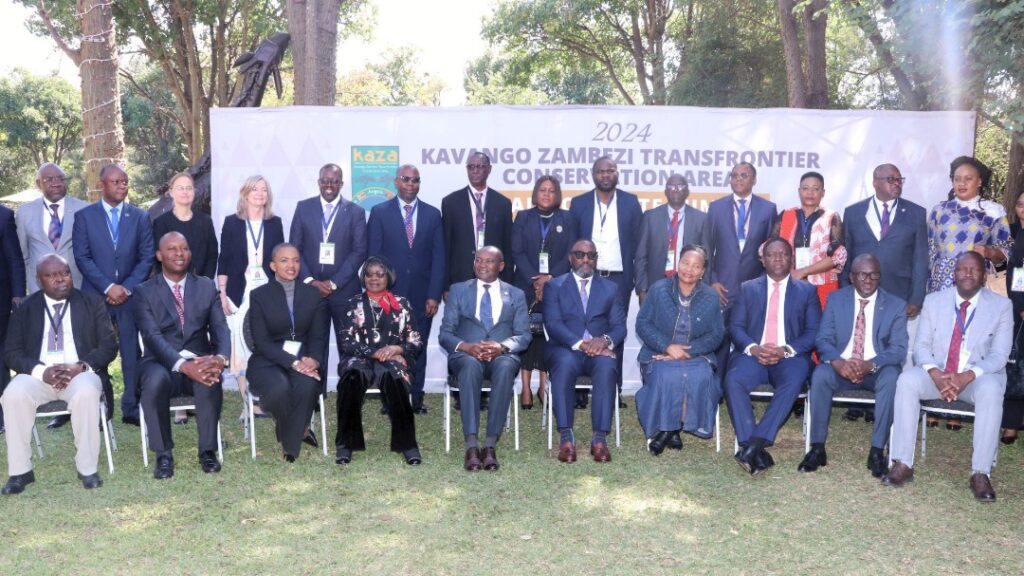
PICTURED: Scenes from the KAZA Summit in Livingstone, Zambia. Photos: Ministry of Environment, Forestry and Tourism.
The minister made these remarks at the Ministerial Meeting for the KAZA Summit, which took place in Livingstone in Zambia. The summit aimed at leveraging KAZA’s natural capital and cultural heritage resources as catalysts for inclusive socio-economic development of the eco-region.
Shifeta urged KAZA member states — Angola, Botswana, Namibia, Zambia, and Zimbabwe — to offer overarching policy guidance and orientation on all facets of TFCA development, spanning from stakeholder consultation and engagement to the management of natural resources, socio-economic considerations, immigration, safety, security, and other relevant areas.
He stressed that it falls upon the member nations to ensure the sustainable progression of the KAZA TFCA as a conservation and tourism initiative. Highlighting that KAZA TFCA is home to the largest elephant population on the continent, Shifeta emphasised its wealth of diverse wildlife species, which hold significant economic and ecological value.
“The plant life is equally phenomenal, some of which are endemic to the southern African savannahs, woodlands, and wetlands. It is imperative that any programme to promote the conservation of biodiversity must have a positive impact on the standard of living of our rural communities. It is on the basis of the potential presented by the vast wildlife, tourism, and cultural,” he added.
Shifeta reiterated that the sustainable development of KAZA TFCA should ensure that partner nations can fairly benefit socially and economically while upholding principles of sustainability, accountability, fairness, transparency, and mutual respect. For this reason, he emphasised the importance of strengthening KAZA governance and development.
“The five member countries of Angola, Botswana, Namibia, Zambia, and Zimbabwe should continue to derive equitable returns and significant socio-economic benefits provided we harmonise our conservation policies and practices, and use our shared natural resources prudently,” Shifeta said.