Staff Reporter
THE initial phase of the Tsumkwe Agricultural Hub and Integrated Food Systems Project in the Otjozondjupa Region has been completed, but further investment is needed to finish the project.
This was highlighted by Vice President Netumbo Nandi-Ndaitwah during the Groundbreaking Ceremony of the Tsumkwe Agricultural Hub and Integrated Food Systems Project. She explained that the project aims to increase food production and was made possible by the Otjozondjupa Regional Council allocating 65 hectares of land in Tsumkwe for the project after signing a Memorandum of Understanding (MoU) with the World Food Programme (WFP).
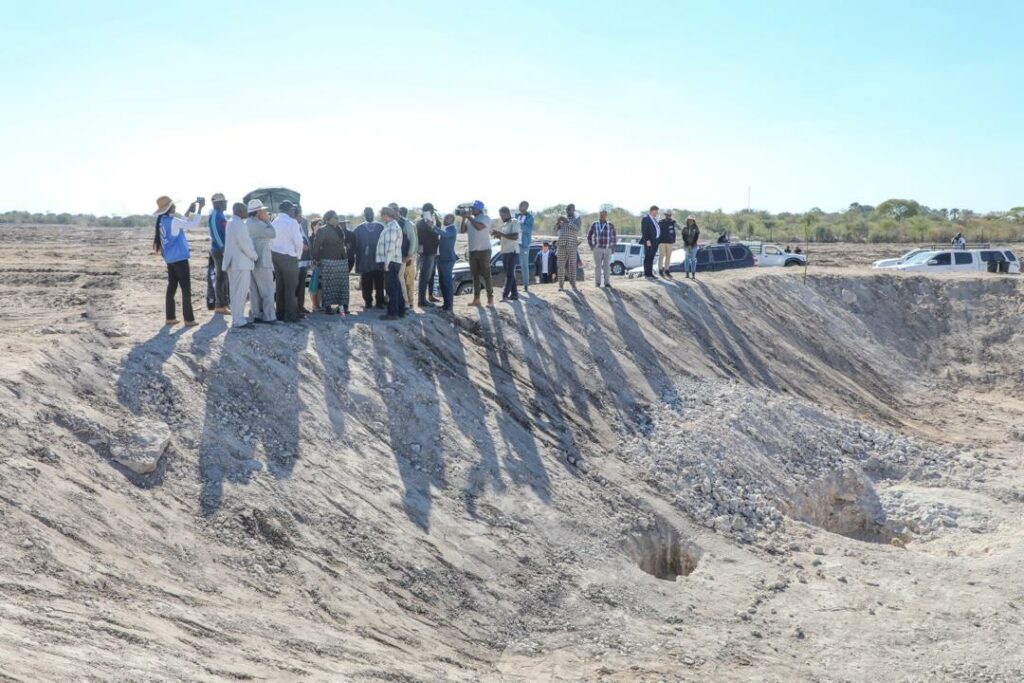
PICTURED: Scenes from the Groundbreaking Ceremony of the Tsumkwe Agricultural Hub and Integrated Food Systems Project. Photos: Ministry of Agriculture, Water and Land Reform. 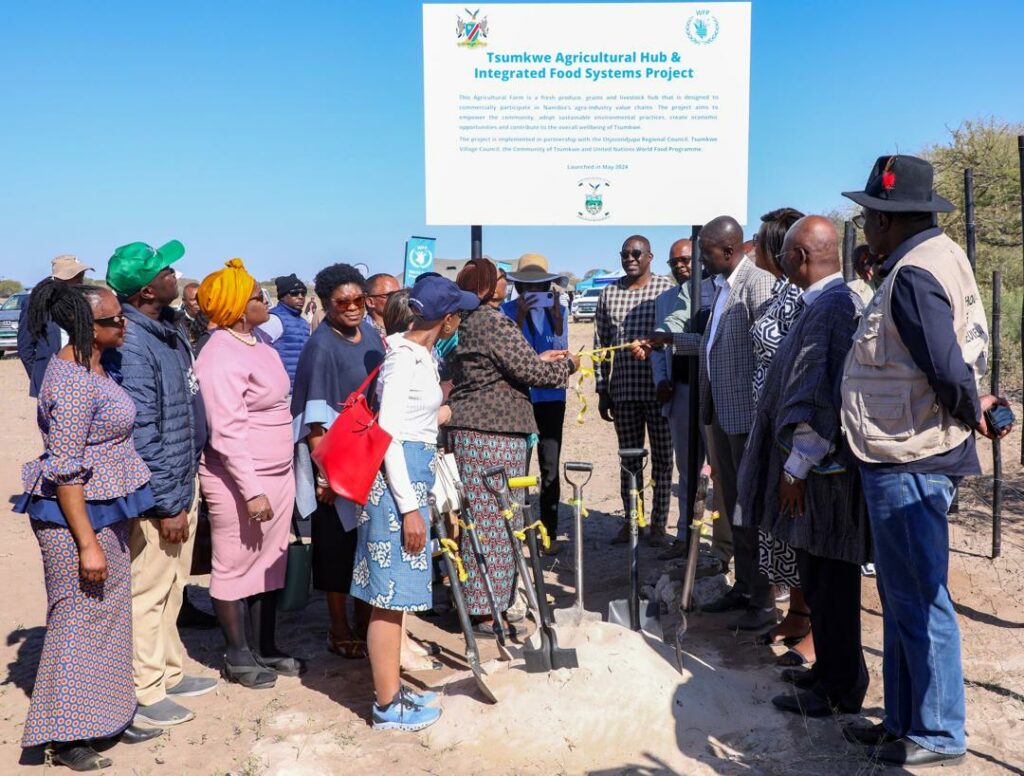
PICTURED: Scenes from the Groundbreaking Ceremony of the Tsumkwe Agricultural Hub and Integrated Food Systems Project. Photos: Ministry of Agriculture, Water and Land Reform. 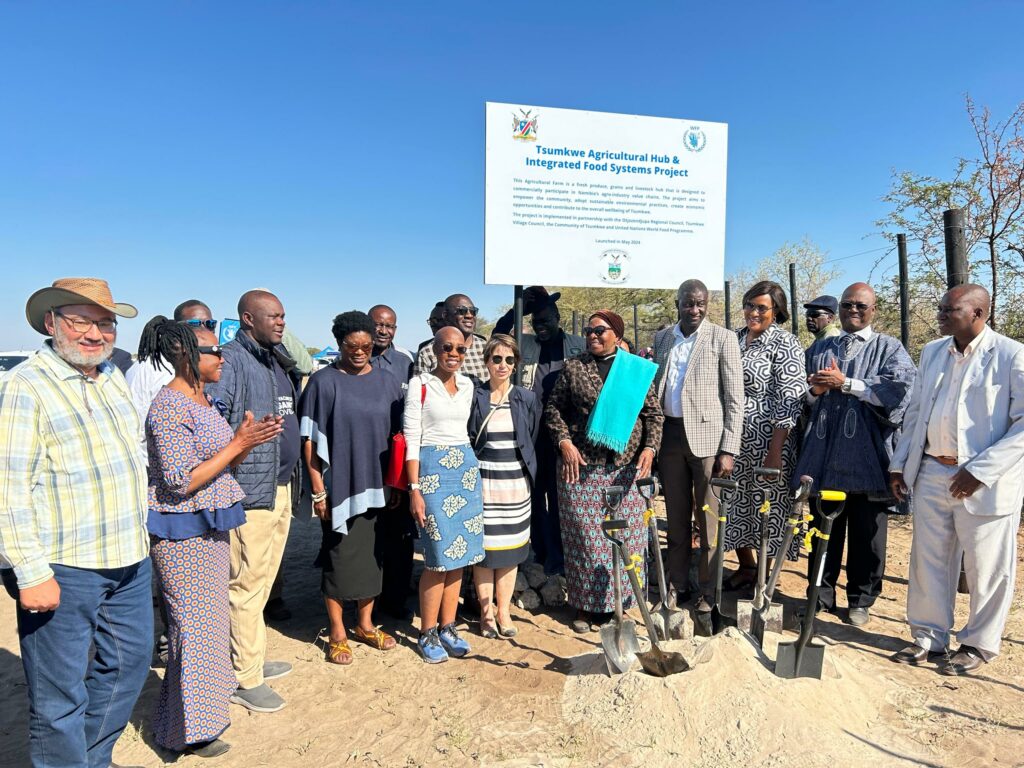
PICTURED: Scenes from the Groundbreaking Ceremony of the Tsumkwe Agricultural Hub and Integrated Food Systems Project. Photos: Ministry of Agriculture, Water and Land Reform. 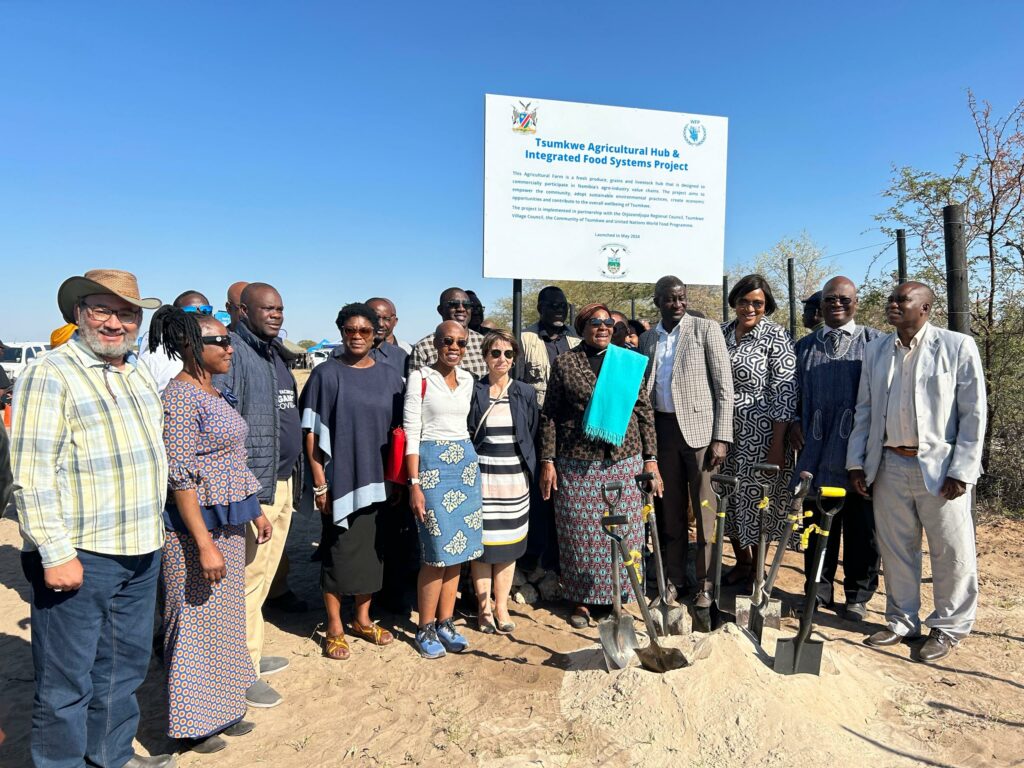
PICTURED: Scenes from the Groundbreaking Ceremony of the Tsumkwe Agricultural Hub and Integrated Food Systems Project. Photos: Ministry of Agriculture, Water and Land Reform. 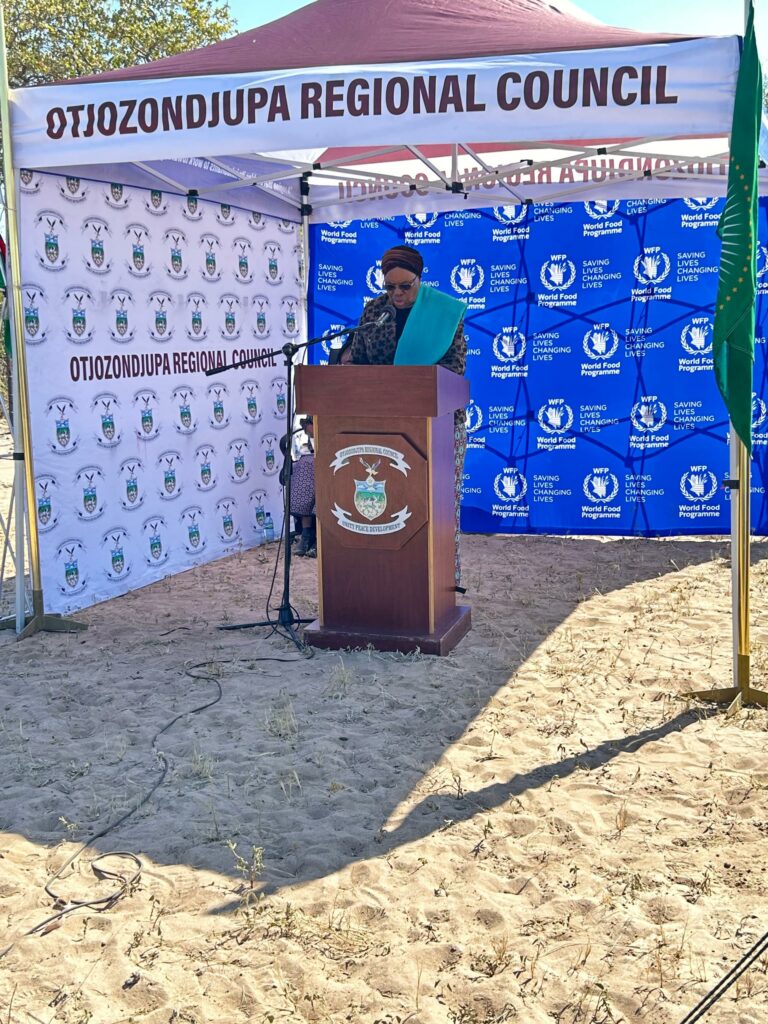
PICTURED: Scenes from the Groundbreaking Ceremony of the Tsumkwe Agricultural Hub and Integrated Food Systems Project. Photos: Ministry of Agriculture, Water and Land Reform. 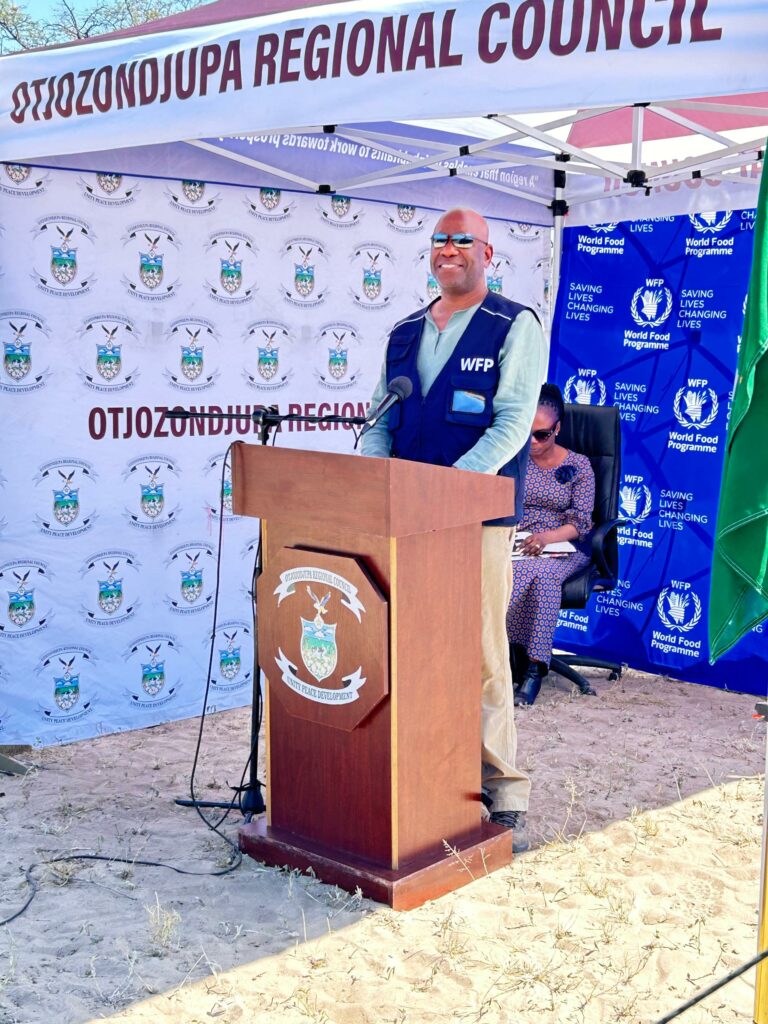
PICTURED: Scenes from the Groundbreaking Ceremony of the Tsumkwe Agricultural Hub and Integrated Food Systems Project. Photos: Ministry of Agriculture, Water and Land Reform. 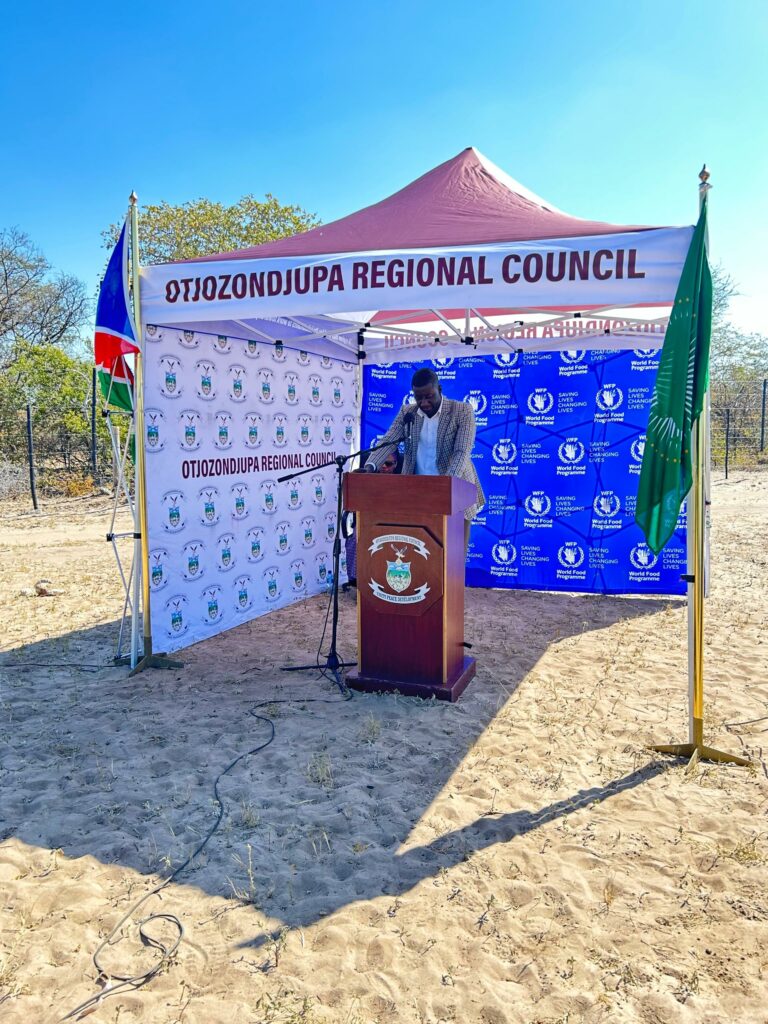
PICTURED: Scenes from the Groundbreaking Ceremony of the Tsumkwe Agricultural Hub and Integrated Food Systems Project. Photos: Ministry of Agriculture, Water and Land Reform. 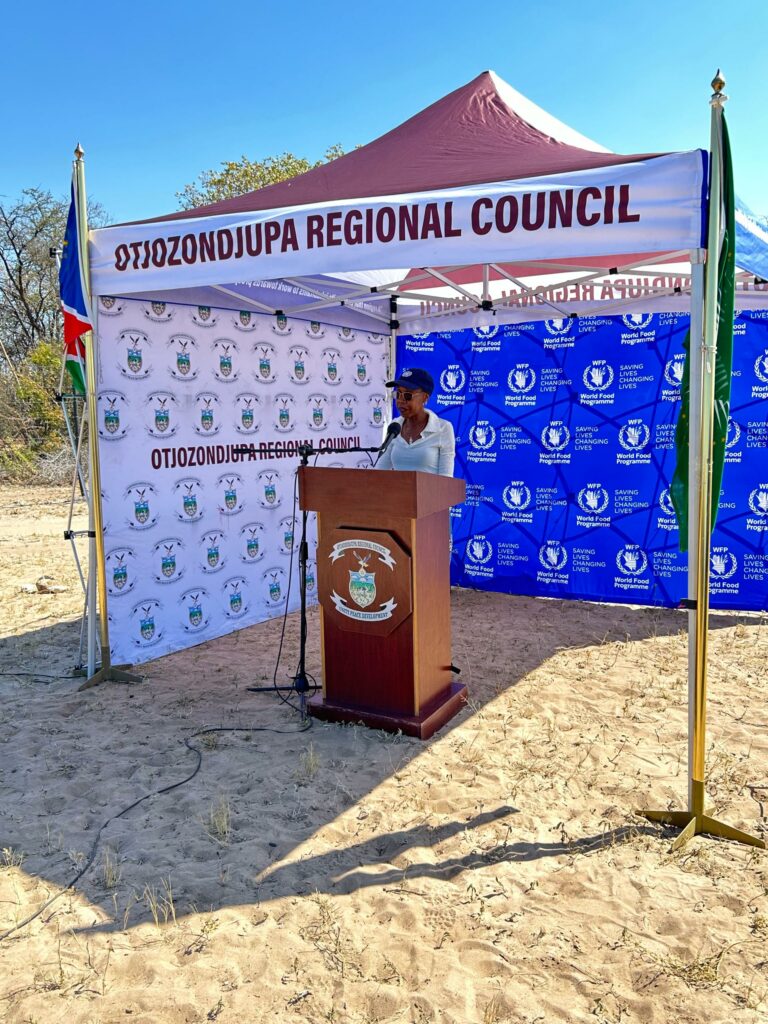
PICTURED: Scenes from the Groundbreaking Ceremony of the Tsumkwe Agricultural Hub and Integrated Food Systems Project. Photos: Ministry of Agriculture, Water and Land Reform. 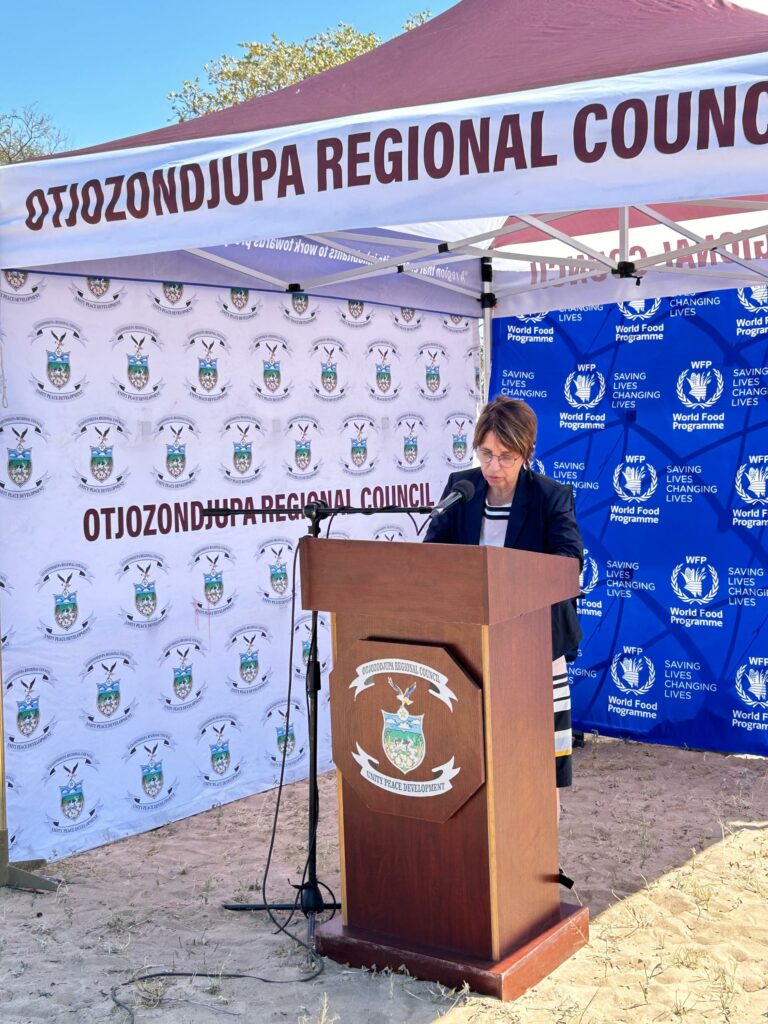
PICTURED: Scenes from the Groundbreaking Ceremony of the Tsumkwe Agricultural Hub and Integrated Food Systems Project. Photos: Ministry of Agriculture, Water and Land Reform. 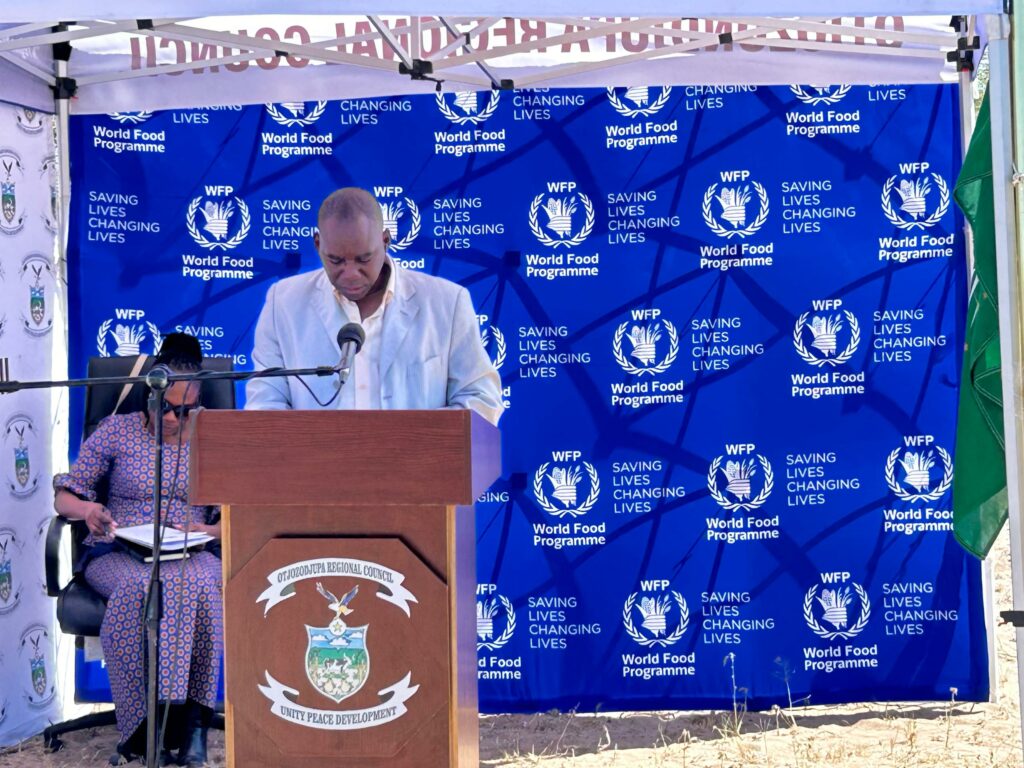
PICTURED: Scenes from the Groundbreaking Ceremony of the Tsumkwe Agricultural Hub and Integrated Food Systems Project. Photos: Ministry of Agriculture, Water and Land Reform. 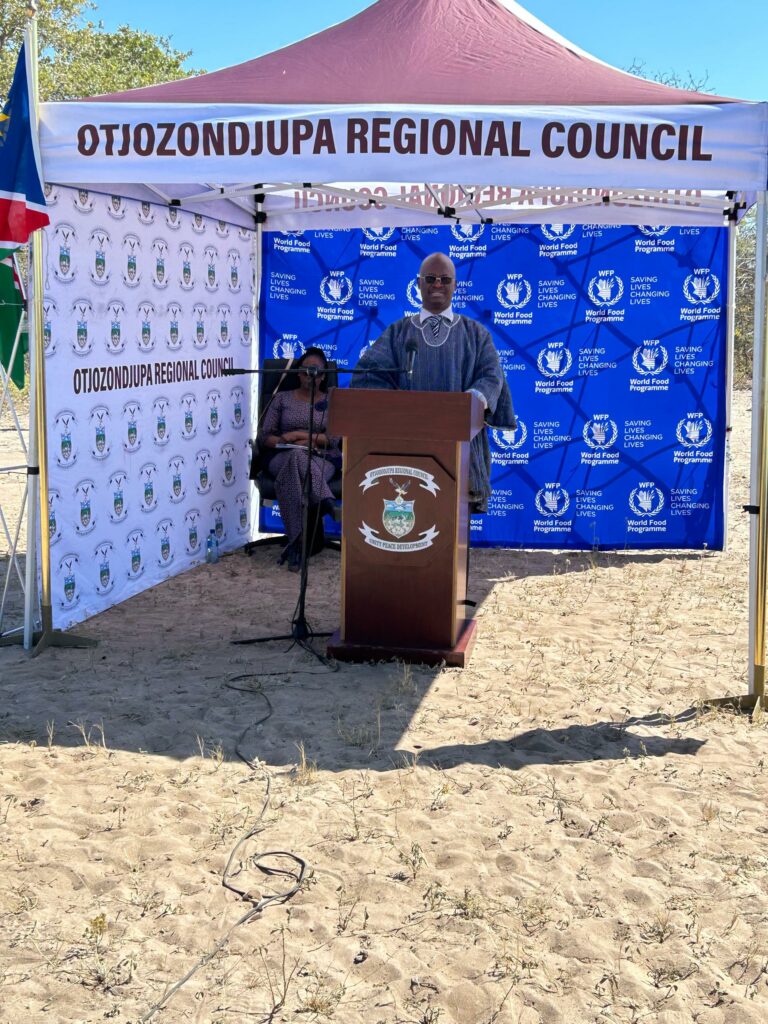
PICTURED: Scenes from the Groundbreaking Ceremony of the Tsumkwe Agricultural Hub and Integrated Food Systems Project. Photos: Ministry of Agriculture, Water and Land Reform. 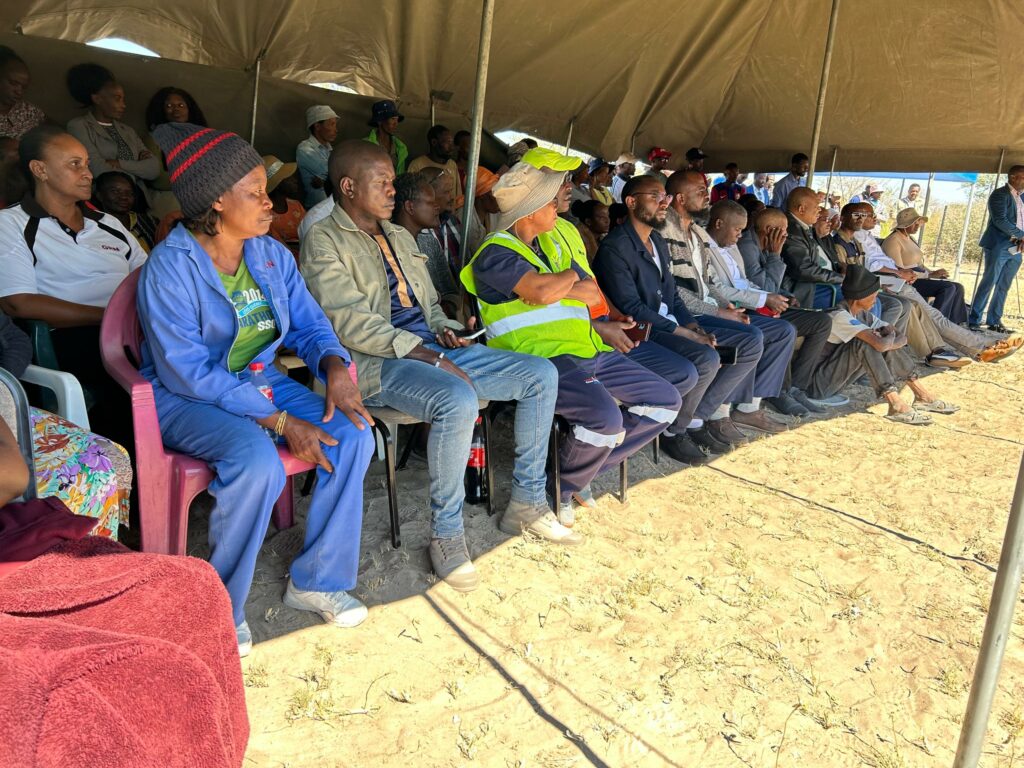
PICTURED: Scenes from the Groundbreaking Ceremony of the Tsumkwe Agricultural Hub and Integrated Food Systems Project. Photos: Ministry of Agriculture, Water and Land Reform. 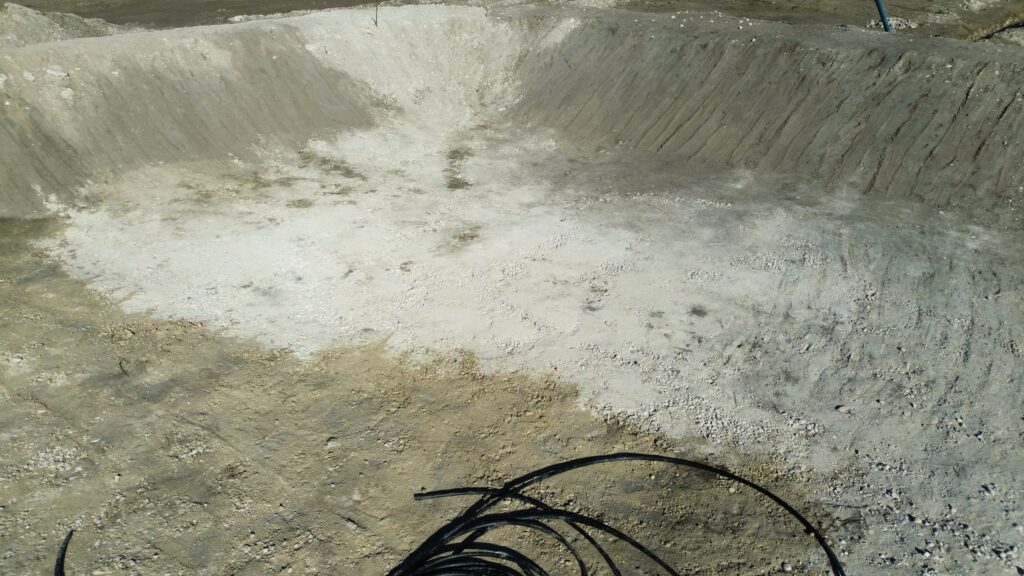
PICTURED: Scenes from the Groundbreaking Ceremony of the Tsumkwe Agricultural Hub and Integrated Food Systems Project. Photos: Ministry of Agriculture, Water and Land Reform.
The Vice President pointed out that additional funding is required to ensure the completion of this project, although the WFP has already spent more than N$6 million on the project’s initial phase.
“One of the things that WFP mentioned is that the project requires further investment from government, development partners, private sector and individuals to complete the pending facilities as well as agricultural equipment and inputs to enable the commencement of scale production,” she said.
Dr George Fedha, the WFP Country Representative, confirmed that the WFP, through its global resource pool, raised and invested N$6.6 million for the initial phase of the project. This phase, he revealed, included drilling boreholes, putting up fencing, debushing, and other ancillary activities.
“During the preparation phase, the project created 54 jobs, including for women and youth. These community members were involved in various project activities, including fencing, debushing, construction of the water reservoir, and seedling preparations. This marks an important milestone for employment creation and skills development,” he added.
Further emphasising the significance of the project, Nandi-Ndaitwah explained that it aims to boost the production and availability of crops, livestock, poultry, and fish through research, business modelling, outreach services, training, incentives, and specialised programmes.
She added that the project aims to support the production of high-quality processed and semi-processed food products for local use and export by 2026, through the operations of an abattoir, food processing facilities, and cottage industries. Additionally, she said, the project seeks to develop and maintain agricultural infrastructure in and around the designated sites, including roads, drains, irrigation systems, water harvesting, and dams.