
Entertainment Reporter
THE Goethe-Institut Namibia is slated to present “Dancing Instruments,” a unique event that works with looted objects—a drum from the MARKK Museum in Hamburg. It merges research, performance, and exhibition to explore and celebrate the rich cultural significance of drums in Namibia.
The first phase of the project already took place in Germany, featuring “The Birth of an Ongoma Drum.” The opening of the current exhibition will take place on February 20 at 6 pm at the auditorium of the Goethe-Institut Namibia and will be open until March 1. It will be followed by a public talk on February 27 at 6 pm.
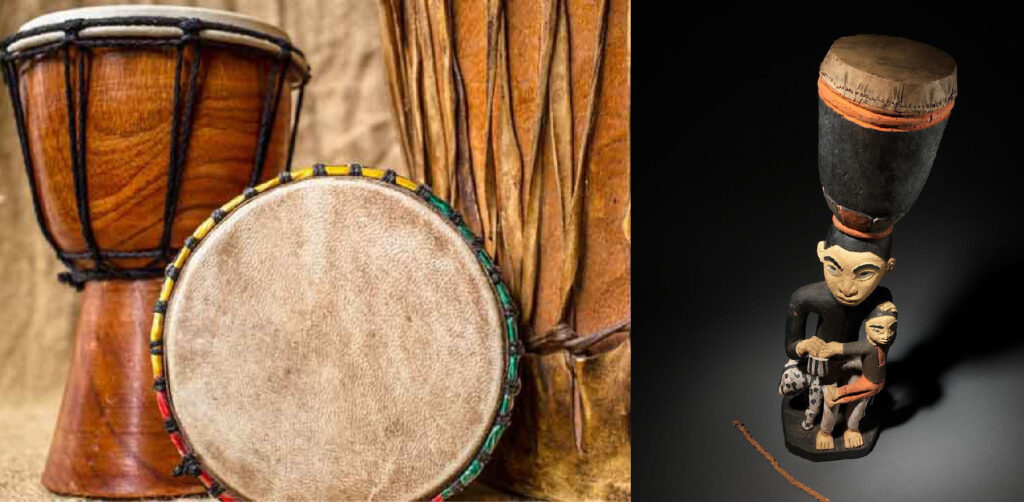
“The Life of an Ongoma Drum” includes performances, an exhibition of artworks, pictures, and texts, as well as research findings on the use of drums in Namibia and their cultural significance. Attendees will have the opportunity to sample traditional foods while delving deeper into the cultural importance of these instruments. Claude Jansen, the project’s Artistic Director, emphasizes, “We aim to dispel the stereotype of African drums. We want to showcase the complexity of knowledge that exists but often goes unnoticed. It’s a missing and violently suppressed knowledge and practice.”
Maria Caley, Fashion and textile designer, adds, “We need to move beyond merely writing about these objects to actively practicing with them. These objects were integral to our social lives and livelihoods.” Unfortunately, most drums lie dormant in museums, preserved with toxic substances. Colonialism criminalized drumming in Namibia and systematically erased it. “They didn’t want to hear the sound of drums. It completely fractured society because drums brought people together.”
The impact on society was huge. Maria explains, “The drum is not just a musical instrument. From its creation to its use, everything is interconnected.” For instance, trees for drums are never felled but obtained through natural occurrences like lightning strikes or when trees fall due to other circumstances.
Dr Nashilongweshipwe Mushaandja, who is in charge of the performance, adds, “I’ve endeavoured to collect many songs, including from Namibia, the diaspora, and South America. I’m trying to trace the journey of the drum and how it has spread. It’s a migrating object.”
Claude concludes, “Drums united people. We hope this exhibition will do the same—bringing people together and fostering learning. Everyone is welcome at the exhibition, including children.” The project, which is taking place in collaboration with Namibian researchers and artists, is supported by the German Federal Cultural Foundation and the Hamburg Ministry of Culture and Media.