



Maria David
THE Minister of Urban and Rural Development, Erastus Uutoni, said that electricity is the lifeblood of modern society and a fundamental pillar of daily existence.
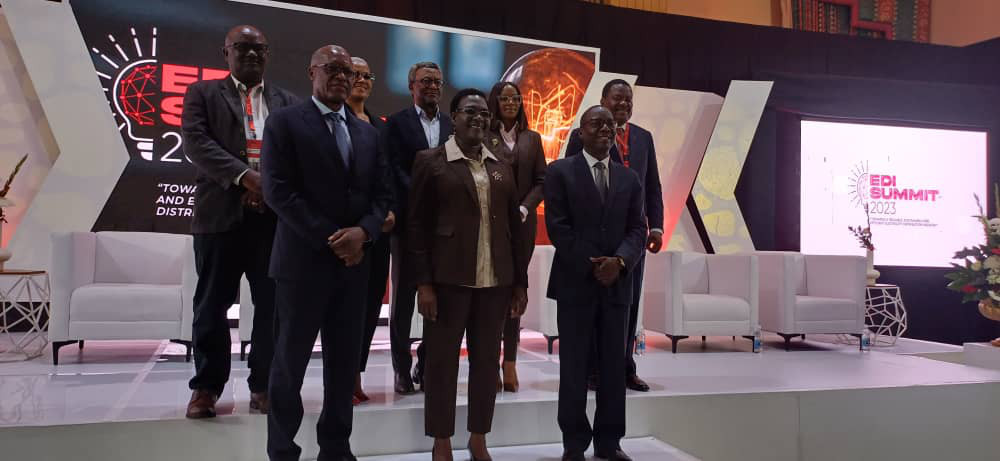
Uutoni made these remarks during the opening of the Namibia Electrification Distribution Industry (EDI) Summit in Windhoek on Thursday, held under the theme “Toward a reliable, sustainable, and efficient electricity distribution industry.”
According to Uutoni, from powering household appliances to facilitating complex industrial processes, electricity’s omnipresence is undeniable; it is the cornerstone of technological advancements and the catalyst for economic growth.
He indicated that the overall importance of electricity is unmatched by any other invention, simply because its practical use in daily life has led to many other inventions and modernization. Thus, he said, the Technological Revolution has been made possible because of the presence of electricity in our lives.
“This summit comes at the right time to accolade the efforts by a joint Cabinet Committees on Treasury, and Trade and Economic Development that appointed a joint task team with members drawn from key stakeholder institutions to conduct an assessment of, and recommend remedial interventions on the increasing huge NamPower and NamWater debts of over N$ 1.5 Billion owed by our Regional and Local Authority Councils,” he said.
He added that as a custodian Ministry entrusted to oversee the regional and local authorities, it has become evident that household affordability, revenue collection, high bulk tariffs, debt control measures, and ageing infrastructures are among the key factors contributing to the high debt level that Local Authorities owe to bulk suppliers for water and electricity.
Further, Uutoni said that the main challenge was, however, to validate the effects of each of these theoretical factors with the financial records of the affected Local Authorities and Regional Councils.
“The exercise is aimed at providing a detailed review of the financial positions and abilities of the various Local Authorities Councils to enable the Central Government to identify the financial shortcomings in their operations and establish the profile of defaulters,” he added.
Thus, Uutoni indicated that the Central government, to alleviate the accumulation of Regional Councils and Local Authorities’ debts to the utilities, may consider financial assistance to roll out a pre-paid system for metering and billing for most customers so that Regional Councils and Local Authorities can be fully migrated to a prepaid metering system with the bulk suppliers.
He then appealed to the delegates to consider the current depressed economic times and help ease the high electricity tariffs felt by end-users and households of respective regional and local authorities.


