


Business Reporter
PRESIDENT Dr. Hage Geingob has stated that the Green Industrialization Agenda is projected to bolster Namibia’s GDP by US$6.1 billion by 2040, creating over 600,000 direct, indirect, and induced employment opportunities. This figure is almost double the size of the country’s existing formally employed labour force.
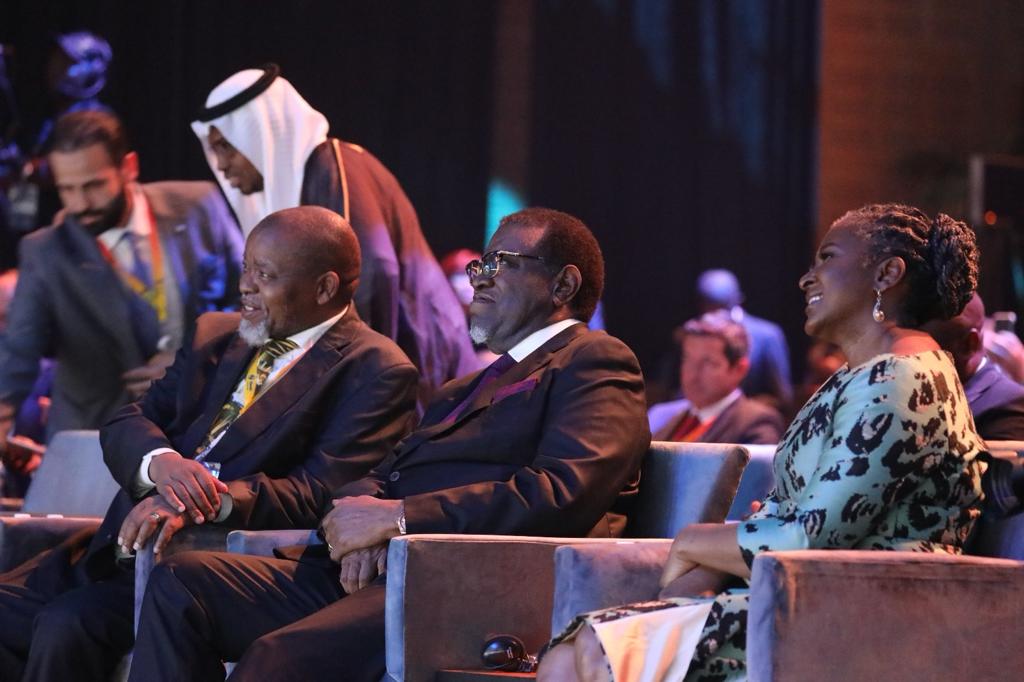
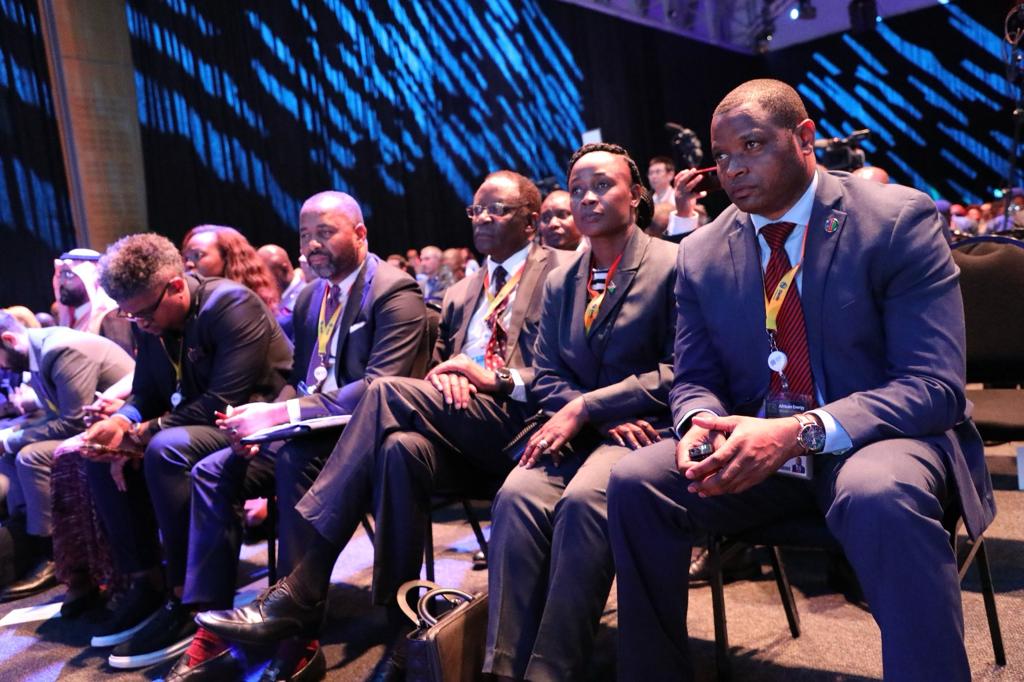
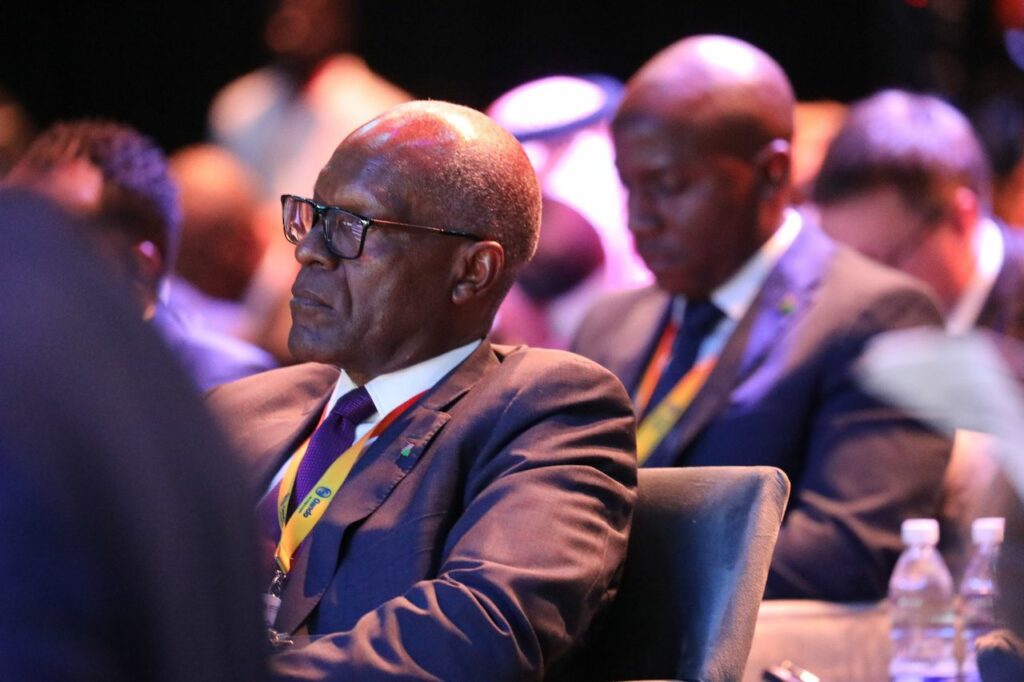
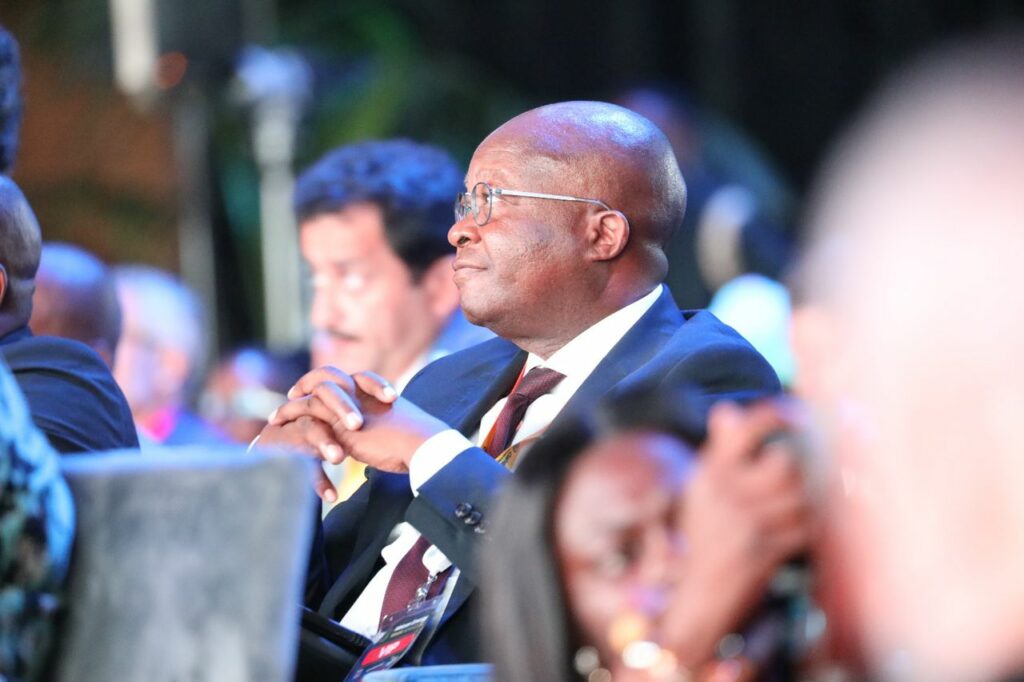
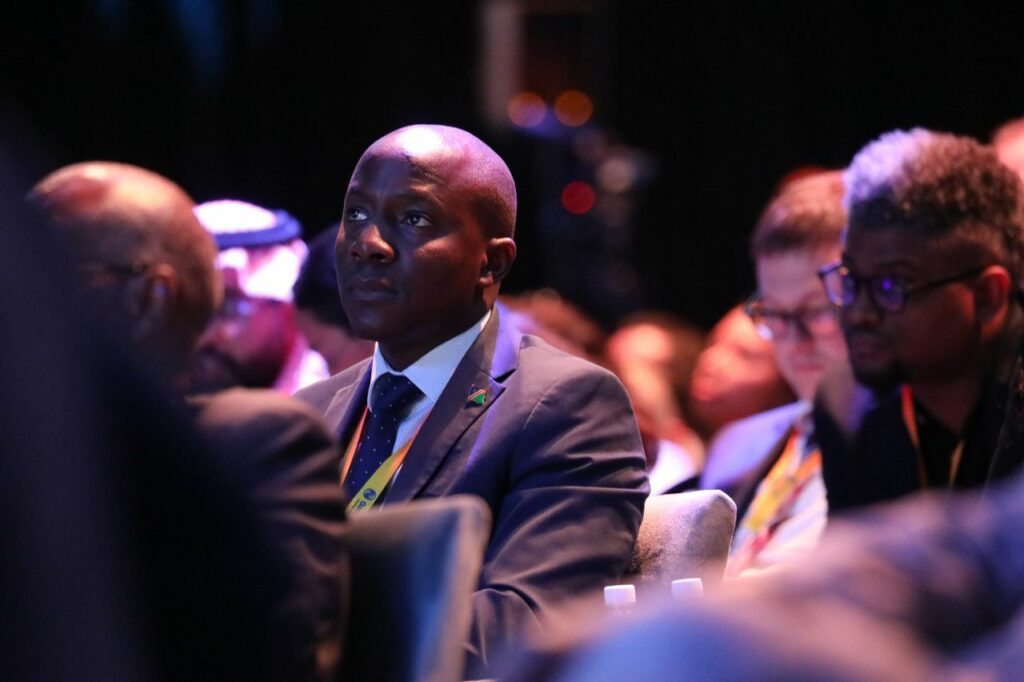
Geingob made these remarks at the Africa Energy Week, held in South Africa under the theme “The African Energy Renaissance: Prioritizing Energy Poverty, People, Planet, Industrialization, and Free Markets.”
The president emphasized that while the production of excess electricity, green hydrogen, and ammonia for local, regional, and global consumption are clear objectives, African countries remain committed to the ideals outlined in the Flagship Program of Agenda 2063.
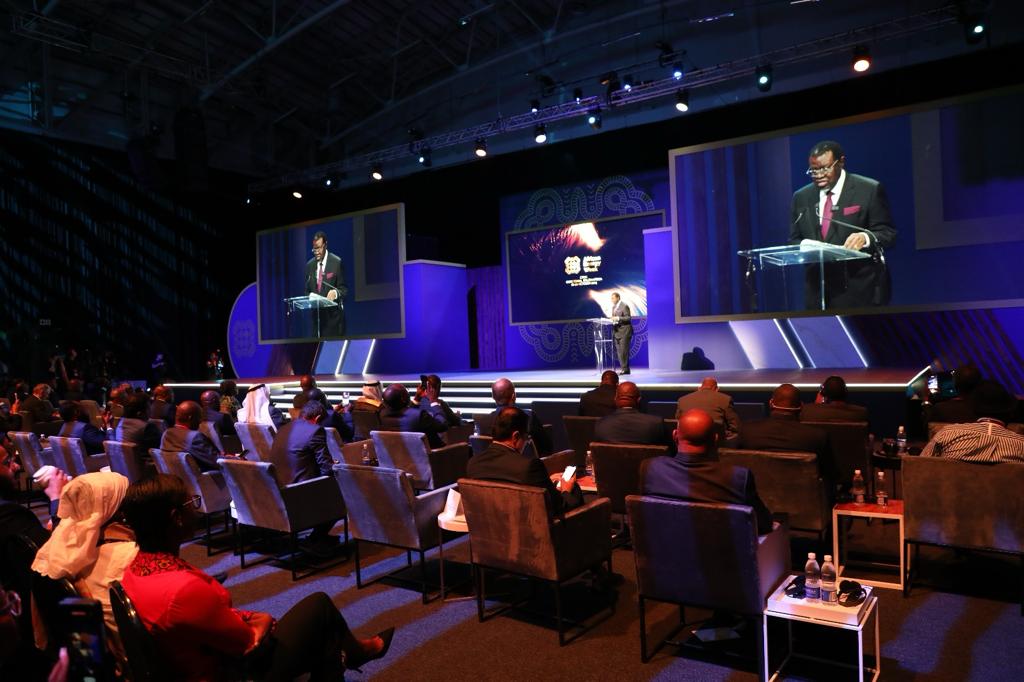
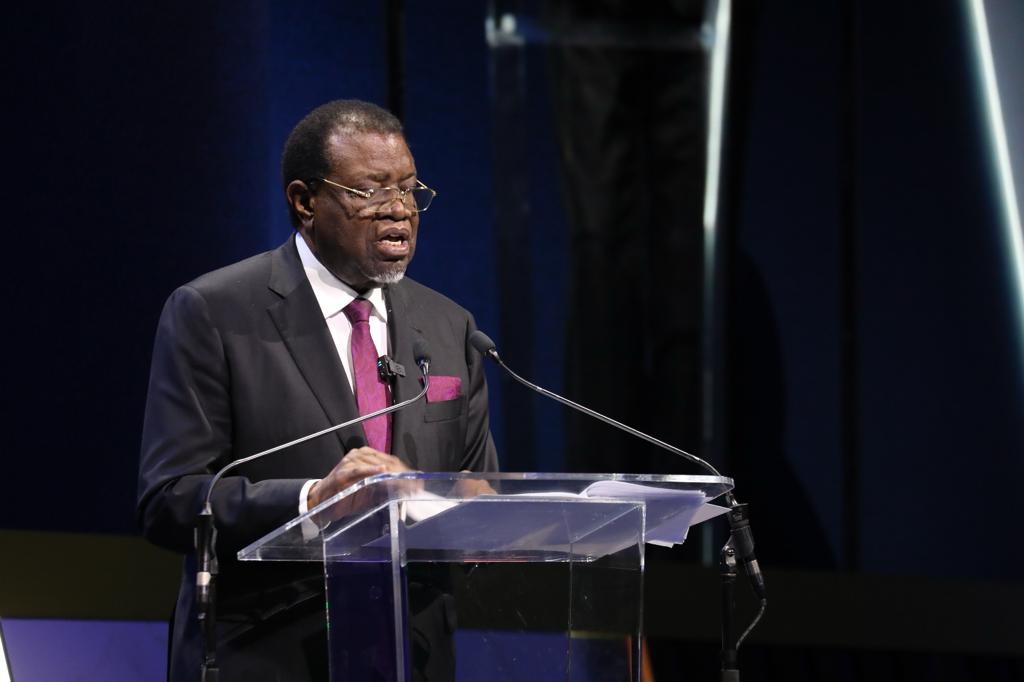
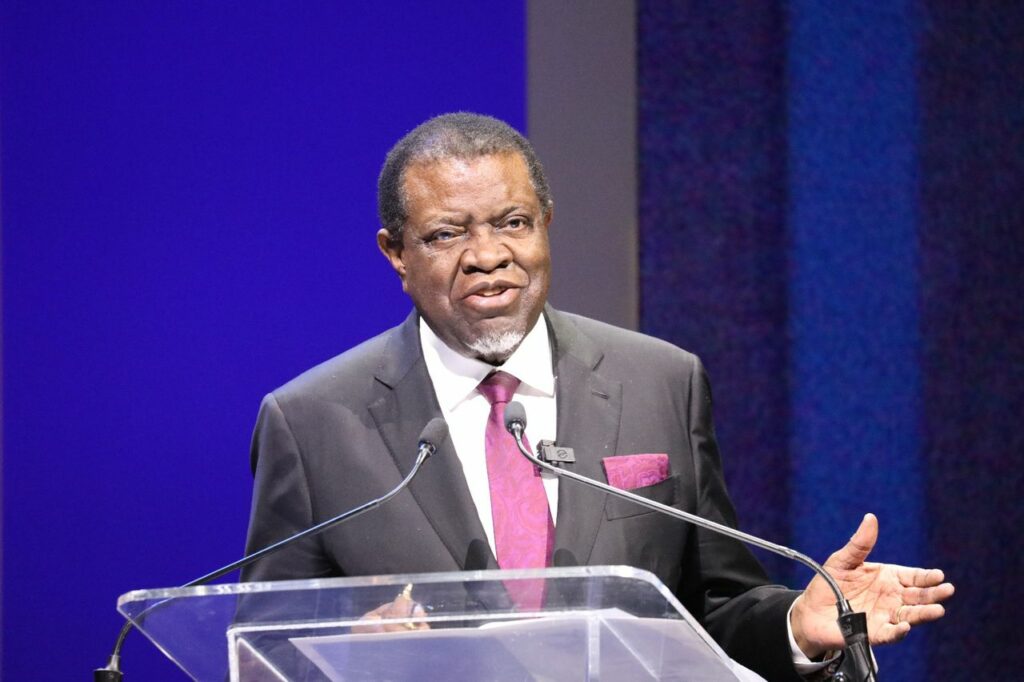
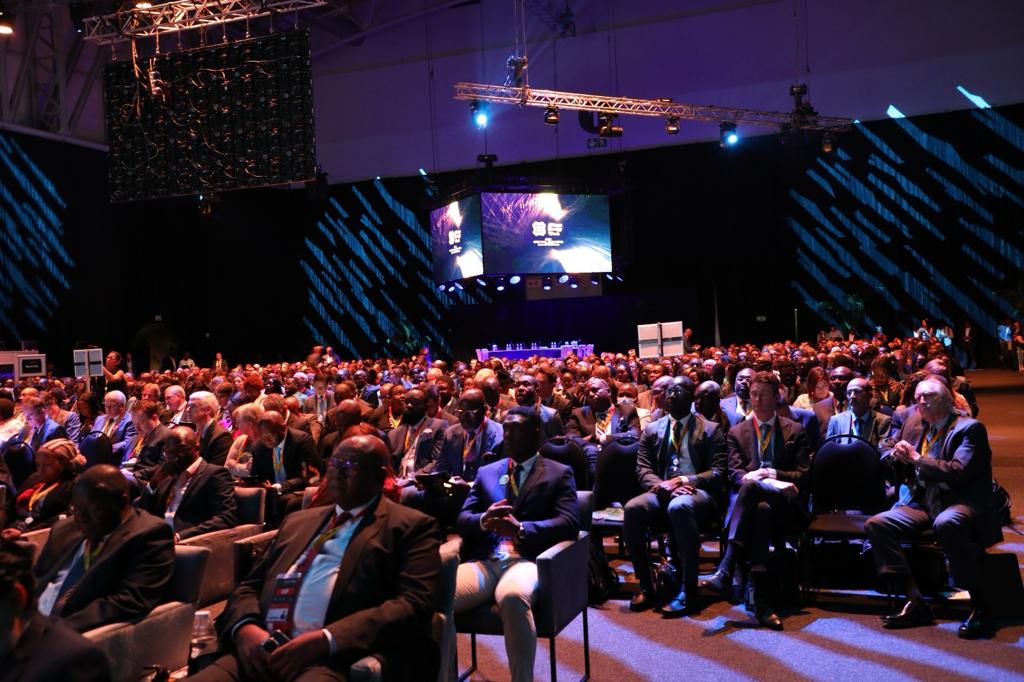
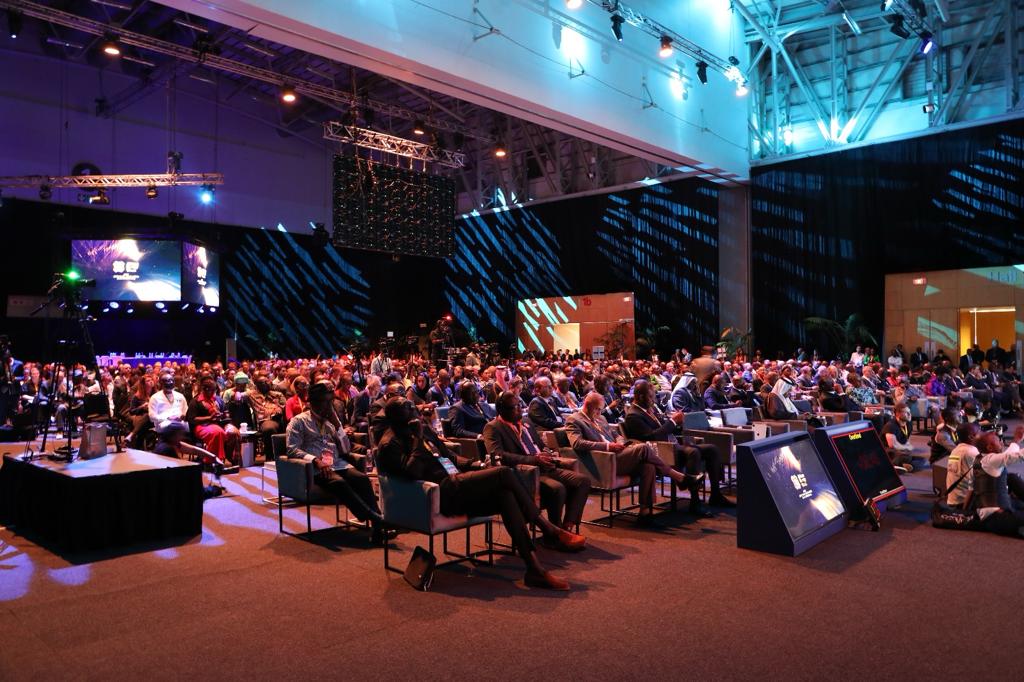
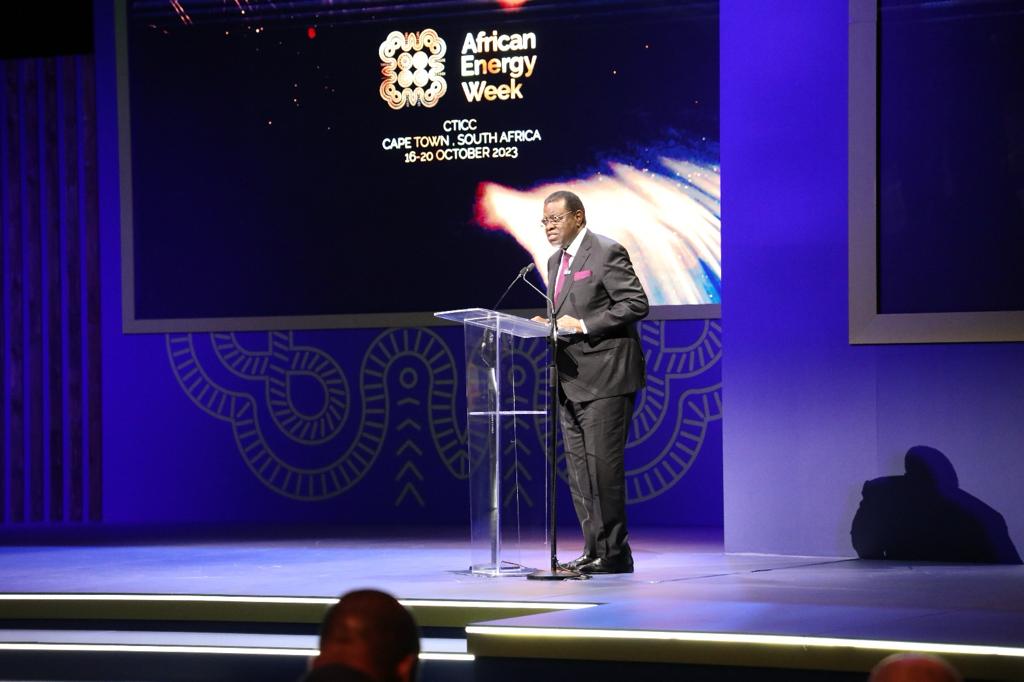
He elucidated that the introduction of Agenda 2063: The Africa We Want by the African Union signifies a clear call from the continent’s leaders to pursue Africa’s sustainable development. Geingob highlighted that one of the 15 Flagship Programs of this transformative Agenda emphasizes the need for the development of a continental commodities strategy, which is deemed crucial for African countries to add value to and extract higher returns from their commodities.
Geingob further stated that the objective is to transform Africa from merely being a raw materials supplier for the rest of the world to a continent that actively utilizes its resources, including energy, to ensure the economic development of Africans. Namibia, as a signatory to Agenda 2063, is fully committed to embodying the ideals of this manifesto, he affirmed.
In a similar vein, Geingob urged all African countries to capitalize on their rich resources, such as cobalt, copper, nickel, lithium, and manganese, which are anticipated to experience increased demand due to the global decarbonization agenda.
“According to McKinsey, expanding production in Africa to capture 10 percent of this demand increase could create an estimated $16 billion in GDP. Furthermore, there could be an opportunity for African producers to expand downstream into the material processing parts of the value chain. African countries must localize these segments due to their access to raw materials. This will enable countries to compete in and capture a share of a market that is expected to reach between $200 and $250 billion globally by 2030,” Geingob noted.
He also emphasized that to advance economies and meet the needs of people, a healthy and robust energy mix is imperative. Geingob suggested that a change in approach is necessary. The Namibian president advised that African leaders must strive for a more coordinated energy market.
“Continued investments in cross-border transmission infrastructure and a deepening of electricity trade can bring more flexibility to achieve a smart, diversified generation structure and accommodate a high share of variable renewable energy, thereby enhancing Africa’s grid reliability and resilience,” Geingob emphasized.
He further stated that it is not contradictory for Namibia to advocate for the exploration of hydrocarbons on its shores while also pursuing a burgeoning Green and Blue Economy.
“In my view, the answer is a resounding No! Not only can the two coexist, but indeed they are wholly interdependent and complementary in nature. Hydrocarbons continue to power the global economic engine today, with the just energy transition expected to take several decades before many nations achieve carbon neutrality,” Geingob affirmed.


