


Maria David
CORRUPTION is a global problem and does not have a bearing on a single continent or region, according to Erongo governor Neville Andre.
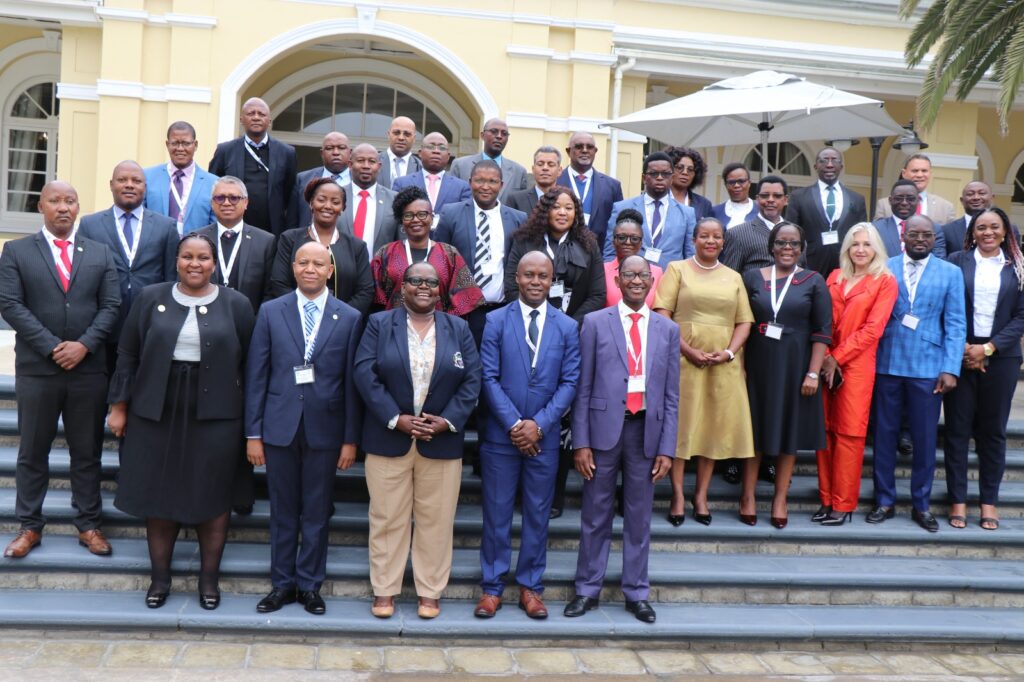
Andre made these remarks during the annual workshop by the Heads of Anti-corruption agencies in the SADC Region at Swakopmund on Wednesday.
He indicated that corruption is a cross-border crime that hinders economic development, reduces competition and efficiency, lowers public revenue, increases public spending, lowers productivity, and undermines the rule of law and democratic values.
“We need, at the same time, to recognize that corrupt practices take place at the interface between the public sector, the private sector, and civil society,” he said.
He added that for this reason, collaboration with other stakeholders is critical.
Moreover, Andre said the African continent has lost massive resources needed for development through illicit financial flows and other forms of organized crime.
The amount lost annually by Africa through Illicit Financial Flows (IFFs), according to Andre, is likely to exceed $50 billion by a significant amount.
He said this is a massive amount of money that Africa and the SADC region need for the implementation of development programs.
Speaking at the same occasion, Chairperson-SADC Anti-Corruption Committee Thom Shamakamba said corruption continues to be a hindrance to economic and human development as it undermines democracy, the rule of law, public trust in state institutions, and investor confidence in our countries.
Shamakamba indicated that it also undermines good governance and the principles of accountability and transparency.
“The need for collaborative efforts in tackling it has become even more imperative now than it ever has been, mainly because of its enabling effect on a range of other crimes that exact a huge cost on our countries, such as Money Laundering and illicit financial flows,” he said.
He added that our governments fully recognize the adverse effects of corruption and have committed to pursue reforms geared towards improving and strengthening governance, improving service delivery, and accelerating economic growth.
These aspirations cannot be achieved without enhancing collaboration in the fight against corruption and related crimes.
Shamakamba noted that the need for collaboration was underscored in the adoption of the Protocol against corruption in 2001, which came into force in 2005.
Currently, 15 of the Member States in the region have ratified this Protocol.
Moreover, he said the establishment of the SADC Anti-Corruption Committee in 2015 and the subsequent development and adoption of the Strategic Anti-Corruption Action Plan have given further impetus to the implementation of the Protocol, specifically efforts to strengthen cooperation amongst Member States in addressing corruption.


