


As 695 000 Namibians expected to experience food insecurity
Staff Reporter
THE Prime Minister, Saara-Kuugongelwa Amadhila, has announced that the Namibian government will spend N$892.4 million on a food relief program, agricultural support, and water provision to ensure that no Namibian dies in the impending dry season.
This was revealed in the Namibia Livelihood Vulnerability Assessment and Analysis (VAA) 2023/24 Report, presented by I-Ben Nantangwe Nashandi, Executive Director within the Office of the Prime Minister. The report detailed that between October 2023 and March 2024, the number of people expected to experience food insecurity in Namibia would rise to 695,000 people (26% of the population).
The Office of the Prime Minister, through the Directorate Disaster Risk Management (DDRM), conducts annual Livelihood Vulnerability Assessments and Analyses (VAA), as provided for by Section 13 of the Disaster Risk Management Act, 2012 (Act No. 10 of 2012).
The assessments collect and analyze livelihood and food security data to inform policy and further aid the understanding of threats of natural and socio-economic disasters to food and nutrition security. The 2023/24 VAA was conducted between May and July 2023 and covered both urban and rural areas in all 14 regions.
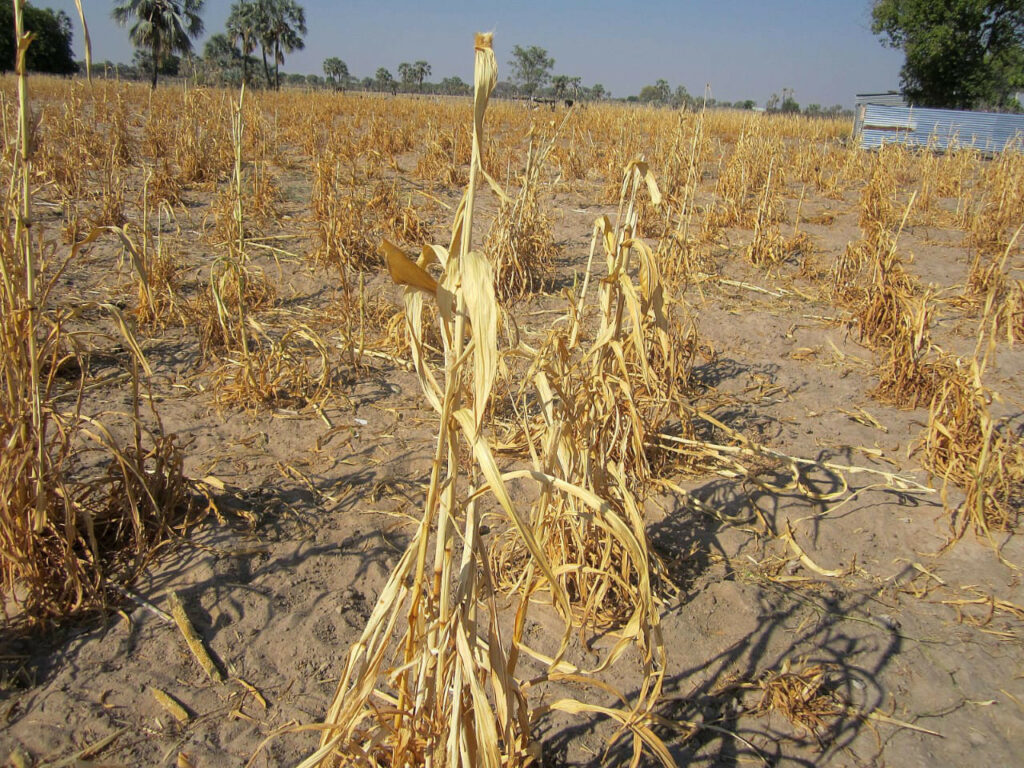
Nashandi explained that according to the Namibia Meteorological Services’ 2022/2023 seasonal report, Namibia experienced below-normal and sporadic rainfall which culminated in a combination of flash floods and dry spells in some parts of the country. “This has subjected communities to prospects of lower crop yields, impacts on livestock, and ultimately reduced household food stocks, compromising food security at household levels,” Nashandi said.
He further added that according to the Ministry of Agriculture, Water and Land Reform (MAWLR, 2023) Crop Prospects, Food Security and Drought Situation Report for July 2023, the 2022/23 estimates show that the nation has harvested 153,000 MT, which is 9% less than the harvest of 168,200 MT from the previous season (2021/22) but 23% above the 10 years’ average production of 124,200 MT.
“Between the months of July to September 2023, approximately 579,000 people in Namibia (22 percent of the population) are estimated to be facing high levels of acute food insecurity (IPC Phase 3 or above) and requiring urgent humanitarian assistance. During the current period, most households do not have any food stocks; most have indicated stocks lasting less than one month, and those who had stocks lasting between one to three months have already depleted their food stock. As a result, households have already experienced difficulties in purchasing food due to a lack of income and high unemployment rates. It is projected that during the period October 2023 to March 2024, the number of people expected to experience food insecurity would further rise to 695,000 people (26% of the population),” Nashandi said.
He added that the Government would like to reiterate its commitment to ensuring that no Namibian citizen will die as a result of hunger due to disasters.
“It is on this basis that the Government, through the Office of the Prime Minister, will roll out the drought relief program (food assistance) to all affected subsistence farmers in rural areas in all 14 regions, effective 01 October 2023 to June 2024, while the livestock support program will be implemented from 01 October 2023 to 31 March 2024. The program is expected to cost the government N$892.4 million. Food relief distribution coordination will be handled by the Office of the Prime Minister and implemented by Regional Councils across the country in all 14 regions,” Nashandi concluded.


