Floris Steenkamp
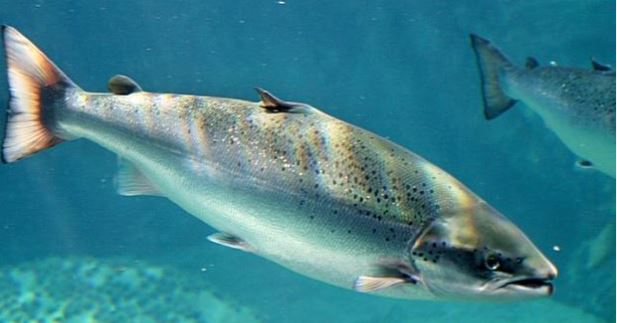
WHEN the name “Lüderitz” is mentioned nowadays, everyone pays attention. With the offshore oil and gas and renewable energy sectors scrambling for this southern coastal town, a Norwegian company and its Namibian partner want to make Lüderitz famous for none other than the Atlantic salmon (scientific name: Salmo salar). And to be more precise, a whopping 100 000 tons of live salmon per annum.
A draft environmental impact study for an Atlantic salmon aquaculture farm in Lüderitz was published in the public domain earlier this week by LM Environmental Consulting, based in Windhoek.
The study is carried out on behalf of the Namibian-based African Aquaculture Company (Pty) Ltd, which partnered with the Norwegian firm, Norwegian African Aquaculture Company AS, to establish this project.
As many as 15 000 to 20 000 job opportunities could be created in various stages of the project, and an annual turnover of N$20 billion is envisaged once the project matures, according to the draft impact study, which spans over 300 pages.
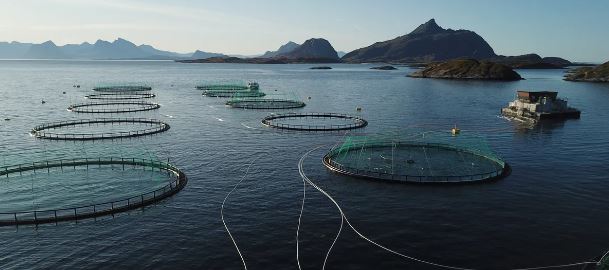
Three offshore sites, each measuring 16 square kilometres, have been identified northwest of Lüderitz. The plans are to install giant floating pens, all equipped with seal and bird protection, where approximately 50,000 tons of salmon would be grown from juvenile to harvesting size. The fish would begin their life cycle on Norwegian fish farms and be shipped to Namibia for grow-out, harvesting, processing, and exports.
A land-based aquaculture facility is also being planned, where a further 50 000 tons of salmon would be produced per annum.
The first stage would be a pilot project to overcome initial challenges, according to the study. The draft study identified critical elements of the project that cannot proceed without an Environmental Clearance Certificate, including wastewater management, fish waste treatment, fish disease, processes related to imports, processing, storage, transit, and the eventual export of the finished product.
The final study will also detail the socioeconomic impact of such a project, as well as the socioeconomic and economic benefits to the inhabitants of Lüderitz, the //Karas Region, and Namibia as a whole.
Lüderitz is by no means a newcomer to ocean-based aquaculture. The town boasts a healthy abalone, oyster, and seaweed sector.