


Placido Hilukilwa
CLIMATE change is real and this new reality affects the way subsistence farmers used to make a living.
Northerners still remember the time when rainy seasons kicked in either late October or early November and ploughing started during the last days of November or early December.
Maria Shikeva from the Omundaungilo village in the Ohangwena Region says that she grew up at a time when the rainy season was predictable.
“It started raining during November or early December at the latest.

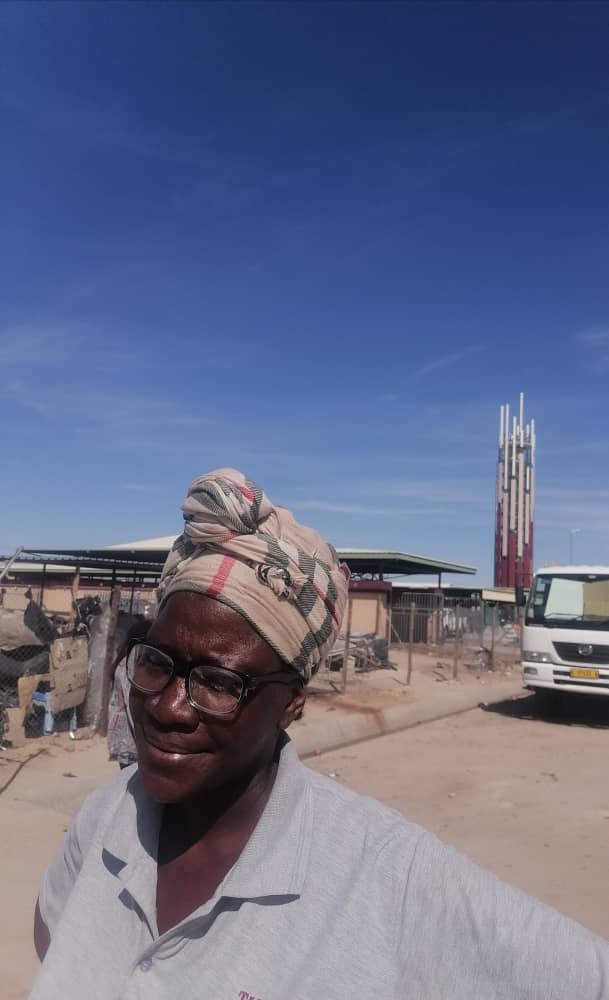
Mahangu plants were knee high when we celebrated Christmas, but now here we are: two weeks before Christmas and the rainy season is not here yet,” she said.
She is hanging around in Oshakati doing odd jobs while waiting for the rainy season to kick in. She would then travel back to Omundaungilo to join other family members to plough their mahangu field.
Lucia Hanghome is in the same situation. She is from Endola constituency and is a street vendor at Oshakati. She too plans to return to the village as soon as it starts raining.
“I am doing this [selling tomatoes and onions] to keep myself busy while waiting for the rain that is very late this year. In fact, it has now become unpredictable so much so that we are no longer sure when to expect it,” she said.
Scattered showers were registered days ago which appeared to signal the beginning of the rainy season, but the sky is cloudless once again.
Hanghome said: “it is sometimes cloudy and we expect good rainfall, but the clouds clear up after a few raindrops.”
After gazing at the cloudless sky at around 10:00 Friday she uttered a single word: “Hmmm”.
Ordinarily, the rainy season in the northern regions lasts from November to late April, but the situation changed in recent years as a direct result of climate change.
Even the livestock is negatively affected. Grazing is currently very poor, placing the livestock, especially cattle, at great risk.


