Staff Reporter
PROTECTING the health and quality of Namibia’s livestock and meat industries is one of the country’s main priorities as it allows the country to export to lucrative international markets, which is why the recently extended ban on livestock and meat imports from South Africa is necessary.
This was highlighted by the Chief Executive Officer (CEO) of the Meat Board of Namibia, Paul Strydom, who said that the importation restrictions should be seen as a protective measure for the Namibian livestock and meat industries from the intrusion of Foot-and-Mouth Disease (FMD), which poses a threat to cloven-hoofed animals such as cattle, goats and sheep.
“Freedom from Foot-and-Mouth Disease led to Namibia being able to export to lucrative international markets, such as the European Union, Norway, China and South Africa amongst others. Any outbreak of Foot-and-Mouth Disease in Namibia would have dire consequences for the N$6,5 billion industry. Very little markets do exist which will take up beef from such countries or zones which do have circulating Foot and Mouth Disease viruses present,” he said.
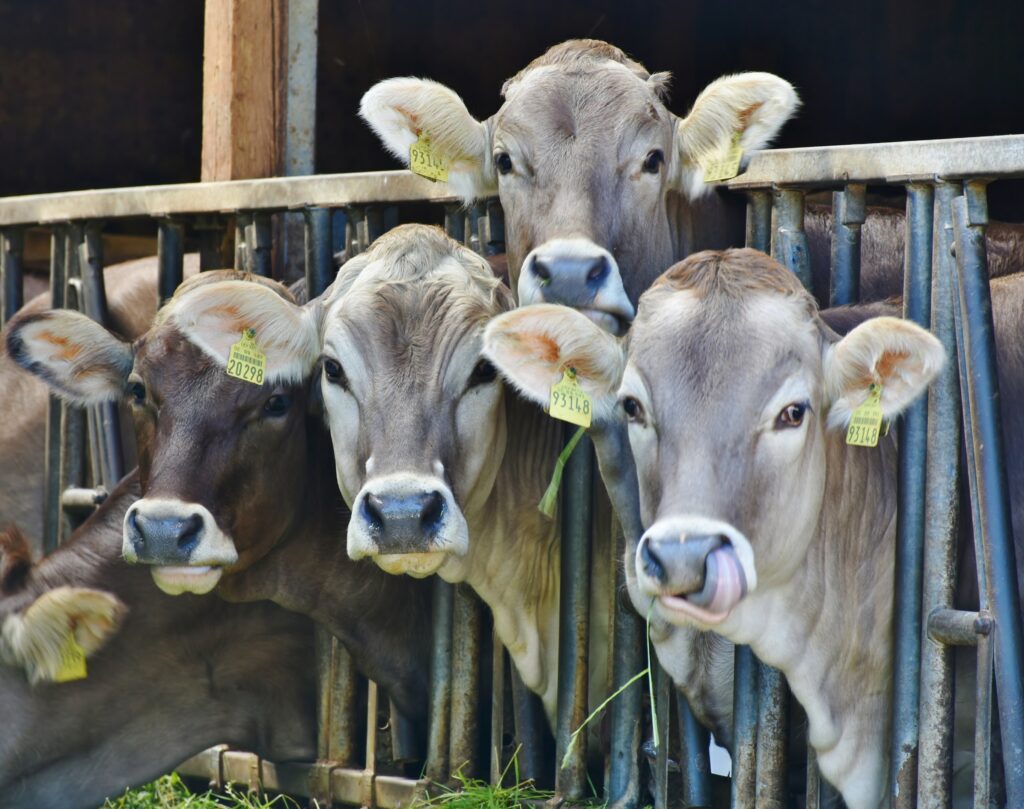
Strydom said that Namibia used to import about 2 700 tons of meat (mainly processed) from South Africa. However, since 2019 the country has suspended the importation of livestock and meat from South Africa, due to the FMD outbreak.
This suspension was recently extended by the Ministry of Agriculture, Water and Land Reform’s Directorate Veterinary Services and the ministry introduced stricter measures as well, as FMD cases have become more prevalent in South Africa.
This comes after the Directorate of Animal Health in South Africa confirmed that 110 FMD cases were discovered in previously FMD free zones between 13 June and 5 August.
Strydom acknowledged that the suspension of importation and in-transit movement of livestock and meat has not been challenge-free for Namibia. According to him, it has created a vacuum in the country, particularly with regards to the importation of stud animals, cattle, sheep and goats – which resulted in the lowering of genetic potential of the commercial stock.
“Stud breeders in Namibia were heavily dependent on stud stock, embryos and semen from South Africa and now need to resort to Botswana or elsewhere in the world for replacement of genetic material,” he added.
Despite this, he said, the country managed to successfully fill the gap that was created by the restrictions and – most importantly – the livestock and meat industries remained safe.