
Bank of Namibia criticised for exorbitant banking fees
Zorena Jantze
THE Parliamentary Standing Committee on Economics and Public Administration has blasted the Bank of Namibia (BoN) on the overpriced banking fees charged by commercial banks in the country, stating that the over N$10 billion profits made by banks during 2021 at the height of the Covid-19 pandemic were disadvantageous to the ordinary man on the street.
The central bank on Wednesday held a consultative meeting with the committee in which it shared the status of the banking sector and economy.
Pieter Mostert, a member of the standing committee, raised concerns on the issue stating that the N$10.5 billion profits made by commercial banks in comparison to the size of the Namibian economy are unfair, adding that this adds insult to injury as these resilient financials were recorded during times of Covid-19 when most lost their streams of income.
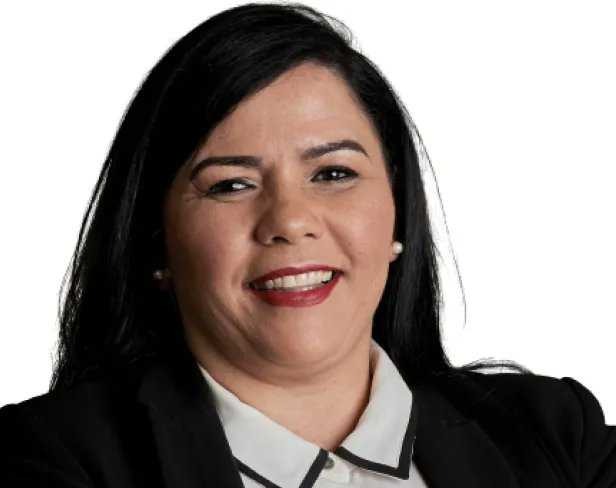
“I think banks are failing us. It’s cheaper to operate cash due to high bank charges, 5 to 7% of the total income of clients is diverted to bank charges. BoN should use their regulatory role to control this exorbitant charge,” Mostert noted.
Chairperson of the committee of public accounts Natangwe Ithete also aired his views on the matter and stated that the current banking system in the country is monopolized by foreign banks with only a few local banks having a share in the market.
Responding to this, second Deputy Governor of the BoN Leonie Dunn stated that the Bank has set up an internal committee to see how banking fees can be pushed down.
She noted that this committee comprise of different members from regulatory bodies that will interact with commercial banks, adding that the digitalization of banking systems is the most likely solution to decreasing banking fees.
Dunn noted that the central bank hopes to push these fees down to at least 10% by the end of 2022.
She said the outcomes of the committees’ work will be released in August or September and that their reports will be evidenced, detailing in some cases how some savings may not translate back to consumers.
Dunn further encouraged members of the public to report unauthorized transactions to the central bank for remedial measures.