


Maria David
THE Ministry of Environment, Forestry and Tourism said the illegal capture, killing and trade of pangolins for international markets has increased in recent years.
Since 2017, the ministry recorded 320 pangolin poaching cases in the country.
Of those, the highest number was reported in 2019 with 96 cases, followed by 62 in 2018, 60 in 2020, 59 in 2021, with the lowest reported in 2017, namely 43 cases.
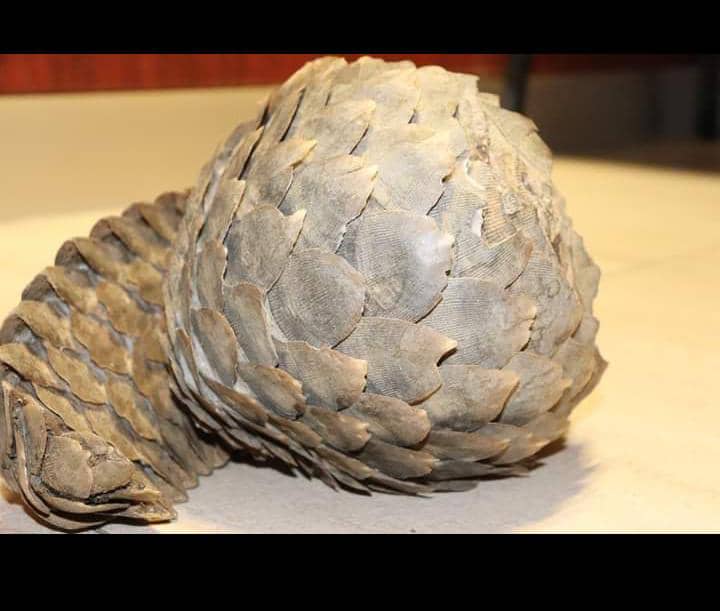
Ministry spokesperson Romeo Muyunda said authorities confiscated 1 505 pangolins products including 15 carcasses, 81 live animals, 193 skins, six skin pieces and 1 210 scales from suspects.
Muyunda said the Ministry has formed an alliance with various organizations to intensify their effort against wildlife crime including those involving pangolins.
“Because of this collaboration, coupled with other measures put in place against pangolins crimes, 592 suspects were apprehended since 2017,” he said.
He explained pangolins are vitally important in the ecosystem, to the environment and to people.
Pangolins eat millions of ants and termites.
One billion termites can consume about 105 000 kg of grass per year – equivalent to the amount of grass that would feed 30 cows or 430 springbok for a year.
“The removal of pangolins will therefore lead to reduced grazing for our livestock and wild animals as most of the grass and vegetation would be eaten by ants and termites,” he said.
Muyunda stated that wildlife crimes such as poaching rob the country of valuable resources which should benefit the nation at large instead of a few greedy individuals.
He added that Namibian wildlife laws were changed to significantly increase the penalties for possession and trade in Controlled Wildlife Products.
“If someone is in possession of any of these products and they are found guilty by a court in Namibia, then they are liable for a fine of up to N$15 million or imprisonment for up to 15 years, or both a fine and imprisonment up to the stated amounts,” he added.
“Perpetrators are therefore cautioned to stop crimes against pangolins or risk being caught to face the full wrath of the law,” Muyunda said.
He then appealed to all Namibians to assist the authorities in keeping pangolins alive in Namibia, as these animals are significant for tourism and have many important ecological functions.
World Pangolin Day is celebrated on 19 February, an opportunity for pangolin conservation stakeholders to join hands in raising awareness about these unique mammals.
Muyunda said pangolins are rapidly declining and Namibians are urged to join the global efforts to save these magnificent species.


