


Maria David
BEING disabled is not any form of punishment but a gift for the world to see what different people living with disabilities can achieve or do and to show the world that everyone is equal in society.
This is according to Sieben Katjiuanjo from the Omaheke Regional Division of Gender Equality, Poverty Eradication and Social Welfare, saying disability is not any form of sickness.
Katjiuanjo made the remarks at the Oshakati State Hospital on Wednesday while motivating people living with disability.
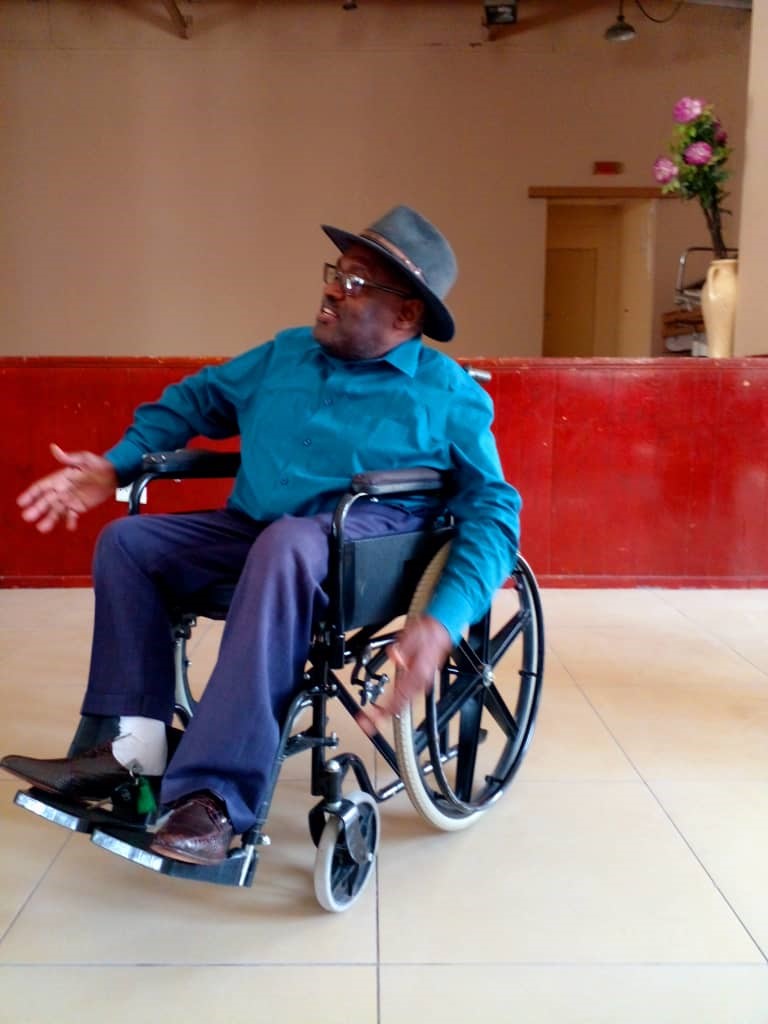
“We are not sick and people should stop treating us as if our disability is an inability,” he said.
Katjiuanjo said he was born in 1965 and at nine months he got polio which left him disabled. He spent eight years in hospital. In 1981 he was discharged from the hospital and was not admitted again based on his disability till today.
He told the audience that he has been happily married for years and has four children.
He said the challenge they face is dealing with people who have no patience with them and are not willing to render assistance when there is a need.
He explained that the stigma of people with disabilities remains the biggest problem where people pretend to care when they do not care at all.
“Let us not allow people to break us or discourage us in any way because we are also capable just like the rest of the people,” he stressed.
Katjiunanjo indicated that when people with a disability access health care, they often experience stigma and discrimination, and receive poor quality service. This, he said, happens especially with the hearing-impaired as there is often no translator to explain to the nurse or doctor on duty.
According to the Centre for Human Rights, over 100 000 people live with disability in Namibia, which represents 4.7% of the whole nation.
The World Health Organization (WHO) reported that over 1 billion people live with some form of disability.
“The number of people with disabilities is dramatically increasing. This is due to demographic trends and an increase in chronic health conditions, among other causes,” the WHO stated.
Katjiuanjo said there is an urgent need to scale up disability inclusion on all levels.


