


Placido Hilukilwa
LIVESTOCK farmers in the northern regions are holding their breath in anticipation of the rainy season, the only relief for the current poor grazing conditions.
Poor grazing conditions in the northern communal areas have left livestock farmers with limited options: either drive their herds to faraway grazing fields or release the animals in towns where grazing is abundant but also carries the risk of being impounded. The number of animals grazing in the northern towns has increased noticeably during recent weeks, a phenomenon said to be the result of poor grazing conditions in the surrounding areas.
However, the town councils generally turn a blind eye to the presence of “stray animals”, stepping in only when cattle, donkeys or goats enter the residential areas or stand in front of businesses.
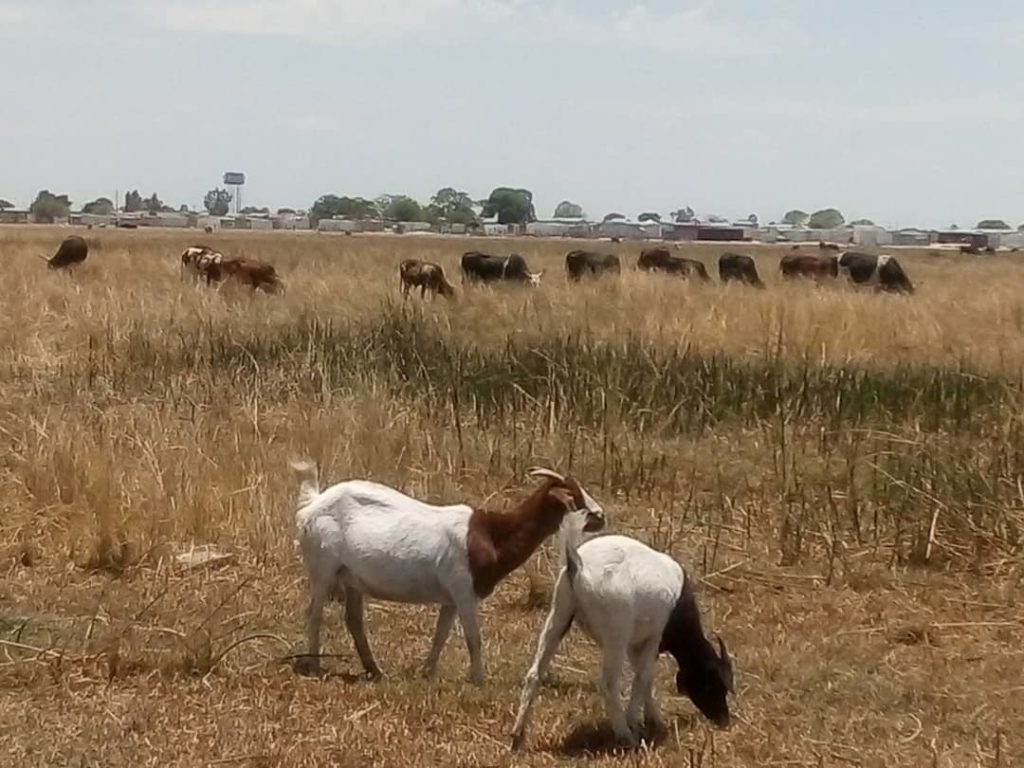
OPTIONS: Cattle herds grazing near the Dr. Frans Aupa Indongo Open Market in Oshakati town. Photo: Placido Hilukilwa 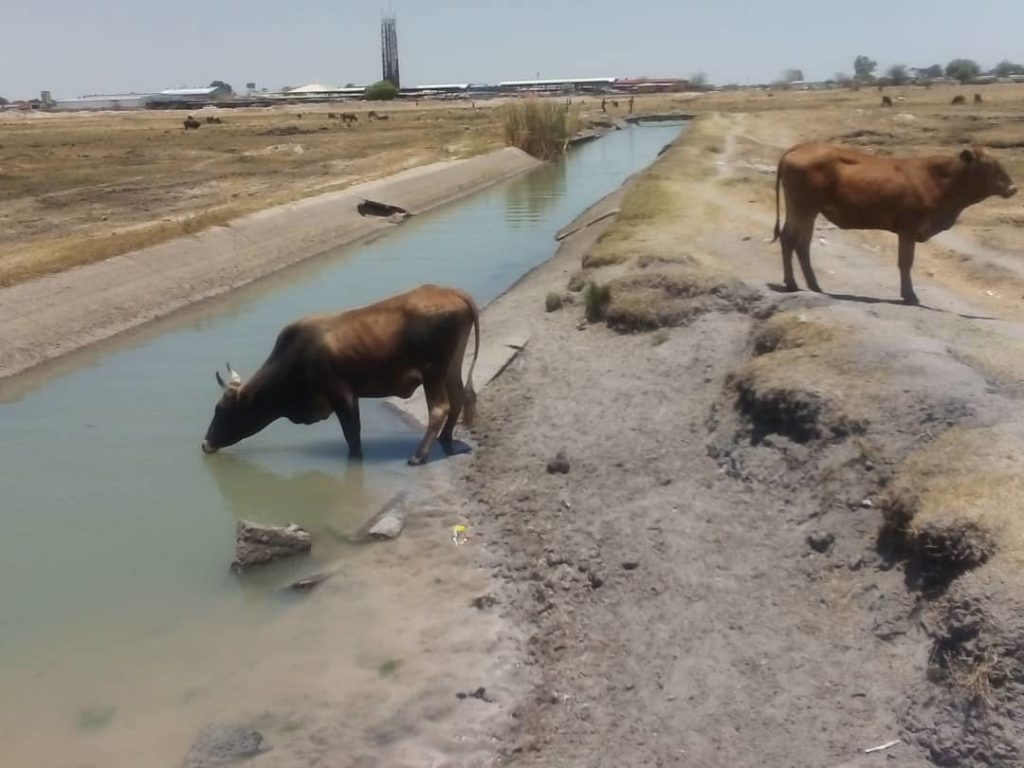
OPTIONS: Cattle herds grazing near the Dr. Frans Aupa Indongo Open Market in Oshakati town. Photo: Placido Hilukilwa 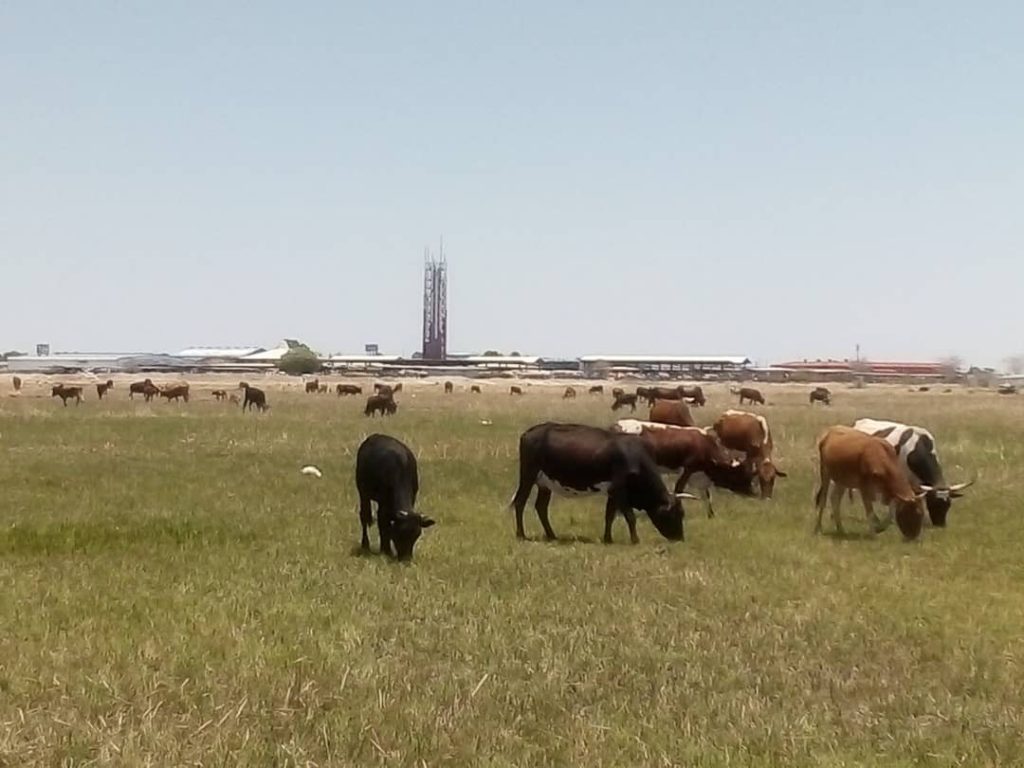
OPTIONS: Cattle herds grazing near the Dr. Frans Aupa Indongo Open Market in Oshakati town. Photo: Placido Hilukilwa
Ferdinand Shifidi, the councillor of the Endola Constituency in the Ohangwena Region, said grazing was good throughout the year due to fairly good rainfall, but conditions have now changed and farmers are struggling with their livestock. The situation is, however, not as bad as two years ago when livestock died en masse.
He expressed the hope that the rainy season would start soon thereby averting the further degradation of the grazing situation.
A light rain was recorded in parts of the North during the past weekend.
Senior traditional councillor Efraim Weyulu, the head of the Eenhana district of Oukwanyama, said that the grazing conditions in the eastern parts of Ohangwena and Oshikoto are not as bad because in that area cattle mostly feed on tree leaves and branches, rather than grass.
“We have forests here and the trees have just developed new leaves, significantly improving the diet of our animals,” he said.


