



Niël Terblanché
PUBLIC servants are vital to the Government’s mandate to deliver services that keep the country functioning and should therefore be vaccinated as a matter of urgency.
In view of the current surge in new infections with COVID-19 that constitutes the third wave of the pandemic in the country, the Ministry of Health and Social Services approached the various workers’ unions to assist it to disseminate important vaccination information to their members in order to speed up the inoculation process.
Dr. Kalumbi Shangula, the Minister of Health and Social Service, during an interview, said that public servants in the frontlines, such as health workers, immigration and customs officials, police officers, teachers, soldiers, as well as those that deal directly with the public on a daily basis need to vaccinated as a matter of urgency in order for service delivery to continue.
“The same goes for administrative staff, not on the frontline in the various offices and agencies. We need people not to be at risk when they perform their duties and at the same time officials should not be responsible for transmitting the virus to people they are serving,” he said.
The health minister said that certain groups of public servants such as teachers would however not be forced to take the vaccine in order to keep schools from closing for extended periods of time.
“Taking the vaccine will remain voluntary for everyone but we, however, need more people to volunteer to speed up the inoculation process. We cannot afford to have offices and agencies closed for extended periods of time. If schools close for weeks, the children suffer,” he said.
Dr. Shangula said that public servants, because of their position in society, should set the example for the rest of the population because it would be the responsible thing to do.
“The same goes for people working in the private sector,” he said.
He said that health officials have observed instances where people that earn their living from the informal sector are at high risk because many do not comply with the basic prevention measures such as wearing masks when out in public, social distancing, and avoiding crowded spaces.
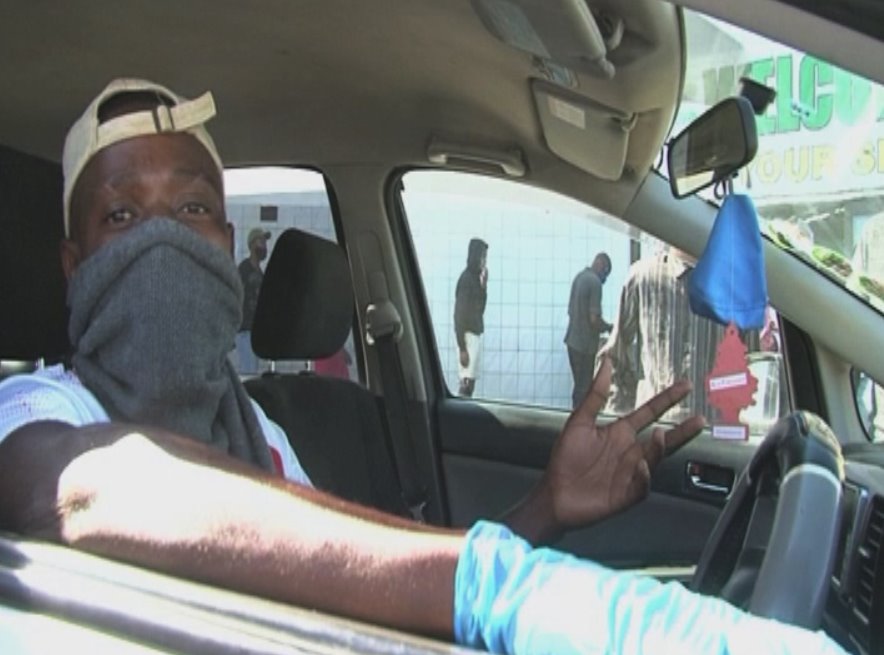
He said people such as taxi drivers pose a high risk of spreading the Coronavirus because they get into contact with hundreds of people while they drive around the urban areas of Namibia. He included those that are responsible for driving people over long distances in minibus taxis from towns in different regions and stated that long-distance travellers carried the coronavirus to the rural areas where most of the vulnerable people live.


