


Placido Hilukilwa
A HUMANITARIAN crisis is unfolding across Namibia’s northern border, specifically in the drought-prone Curoca district of the Cunene province where it borders Namibia’s Kunene and Omusati regions.
The Angolan media is reporting that the current drought has already forced hundreds of families to abandon their houses to look for food and water elsewhere, including crossing into Namibia.
“Yes, they are here … a lot of them,” said Omusati Regional Governor Erginus Endjala, while describing the situation as precarious.
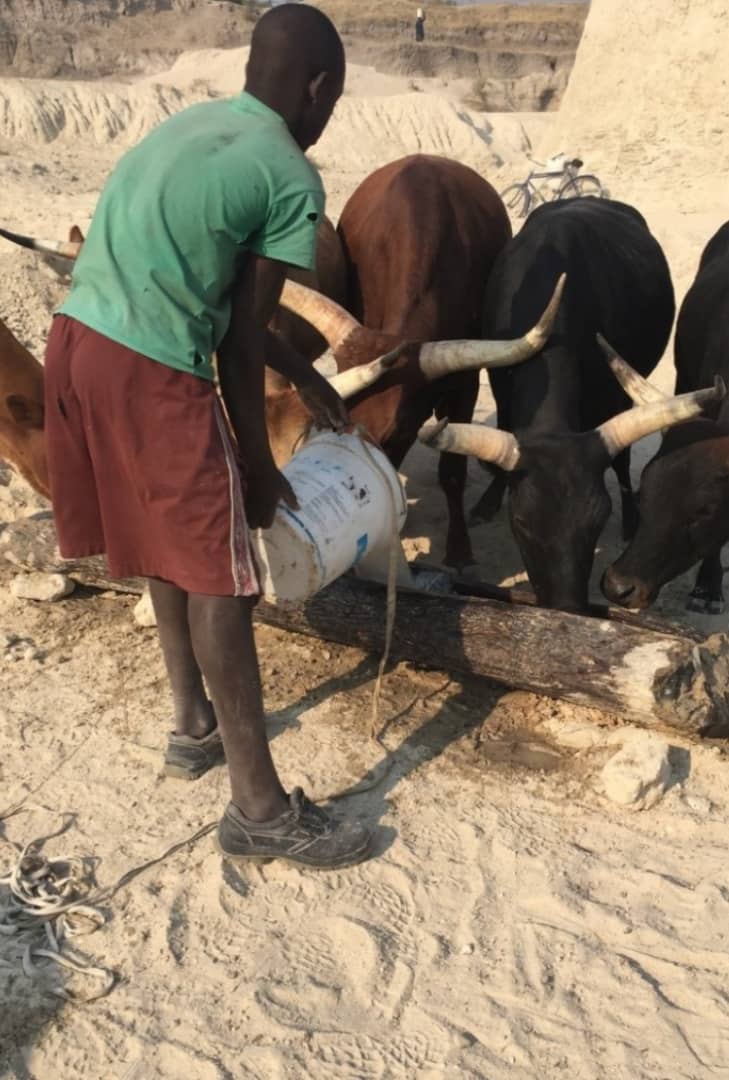
He said that Angolans fleeing the drought in their areas have entered Namibia recently and are now crisscrossing the areas of Onesi, Ruacana, Omakange, and beyond, volunteering to do any work in exchange for food.
The state-owned Jornal de Angola is reporting that, besides those who crossed into Namibia, others moved to the neighbouring districts of Cahama, Ombadja, Cuanhama, and even the faraway Cuvelai.
This was confirmed by a source on the ground, who spoke to Informanté on condition of anonymity: “People from elsewhere have invaded our villages. They are all over. Some are driving cattle and goats, offering them in exchange for mahangu; others are offering cash, while others are simply begging.”
He continued: “The situation is hopeless because we too are negatively affected by the current drought. There is no hope of any meaningful harvest this year. So, selling the little grain we have from last year’s harvest would be suicidal.”
He also spoke of an increased incidence of theft, as mahangu is being stolen from the granaries in the dead of night.
The northern regions of Namibia are likewise facing a severe drought this year.
The young crops have largely withered and dried up as a result of the prolonged dry spell.
No significant rainfall was registered in the northern regions since last month.
With the month of March now in its second week, the little hope that “the rain would eventually come in March” is quickly giving way to hopelessness.
March – known as “Taula” in Oshiwambo – is considered the month of torrential rains and inundations.
“It now appears that we are on the verge of a severe drought that is of the magnitude we experienced in 2019,” said Governor Endjala.


