Niël Terblanché
VARIOUS projects were launched in the smaller far-off settlements in the Erongo Region aimed at bringing about socio-economic development for the local communities.
The projects were identified by the various local authorities and with funding and collaboration from the Erongo Regional Council, were implemented over the last week.
The Governor of the Erongo Region, Neville Andre, said the local authorities of the various settlements identified the projects and contributed 5% of the implementation cost.
“It is my pleasure to officiate the handing over of these valuable assets to communities in the Erongo Region. It is indeed a pleasure to see sustainable development which will ultimately result in economic and social recovery in the region. This is a clear testimony that Erongo Region is serious about speedy service delivery,” he said.
Andre said regional development can only be realised if close cooperation and collaboration with the stakeholders are established.
The projects aimed at the economic development of the community are the Upukos Lucerne Plantation in Karibib and the Ellies Flower and Vegetable Garden in Arandis.
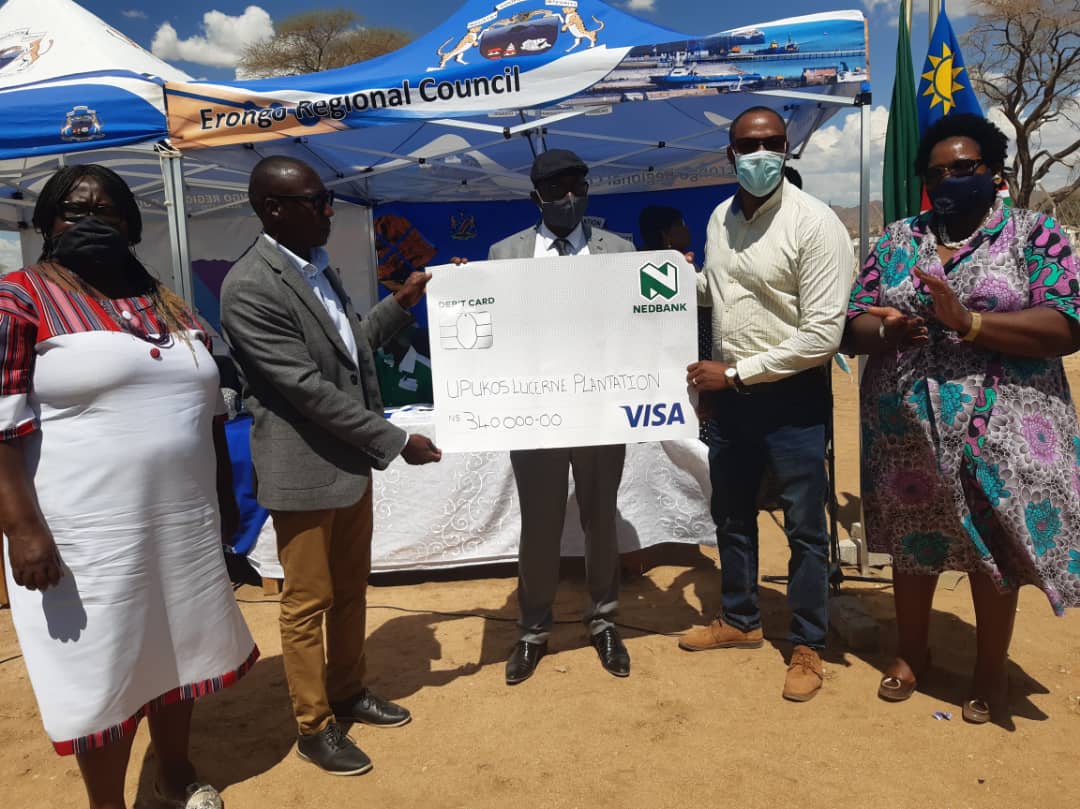
PROJECTS IMPLEMENTED: Members of the Erongo Regional Council under the leadership of Regional Governor, Neville Andre, visited small settlements to implement new development projects. – Photos: Courtesy of the Erongo Regional Council 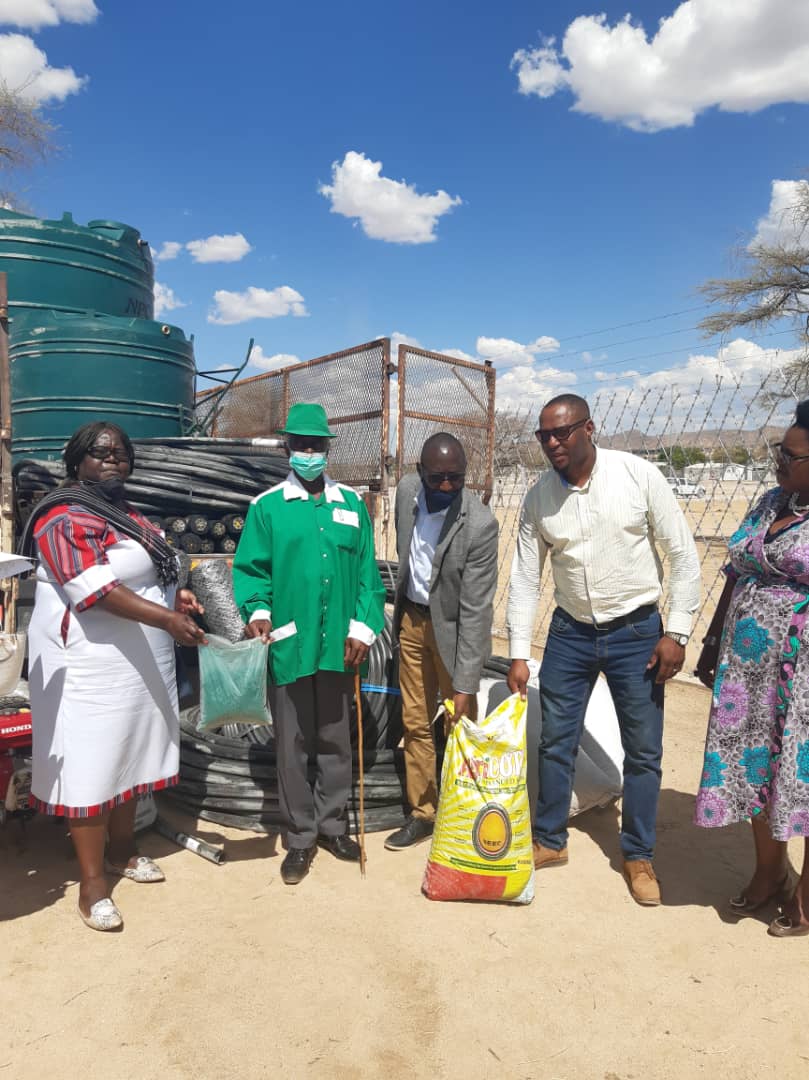
PROJECTS IMPLEMENTED: Members of the Erongo Regional Council under the leadership of Regional Governor, Neville Andre, visited small settlements to implement new development projects. – Photos: Courtesy of the Erongo Regional Council 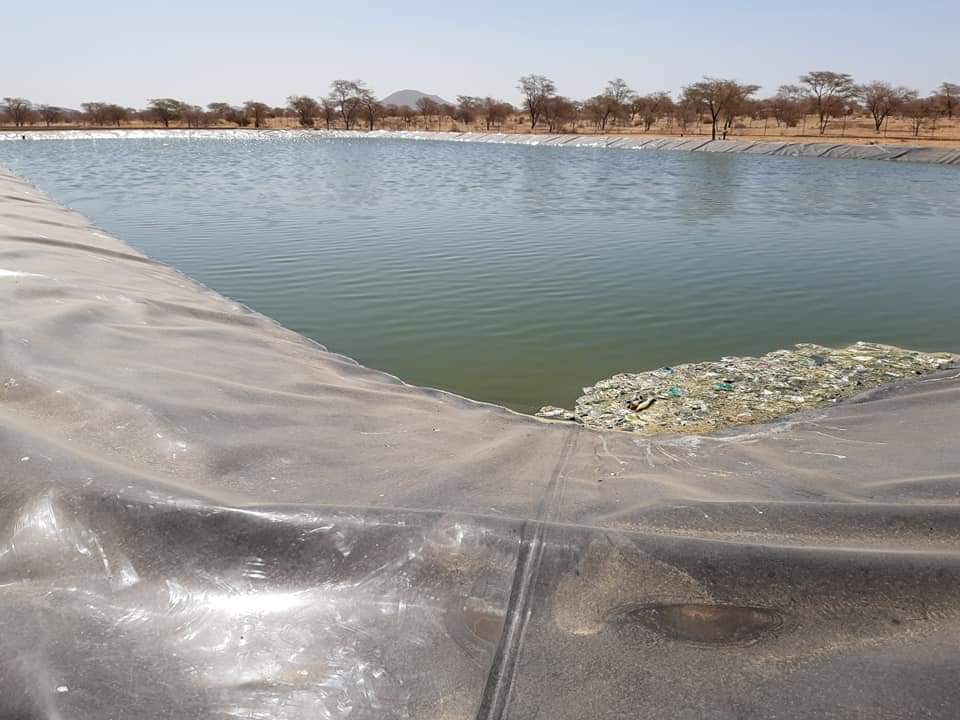
PROJECTS IMPLEMENTED: Members of the Erongo Regional Council under the leadership of Regional Governor, Neville Andre, visited small settlements to implement new development projects. – Photos: Courtesy of the Erongo Regional Council 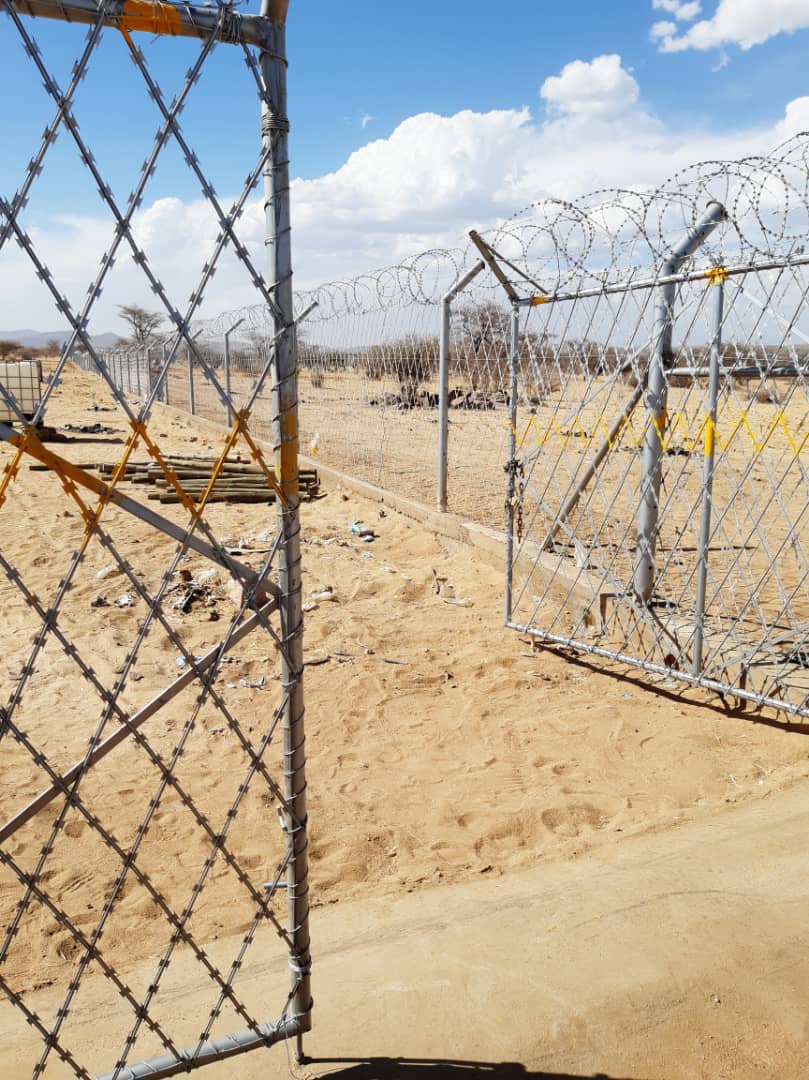
PROJECTS IMPLEMENTED: Members of the Erongo Regional Council under the leadership of Regional Governor, Neville Andre, visited small settlements to implement new development projects. – Photos: Courtesy of the Erongo Regional Council 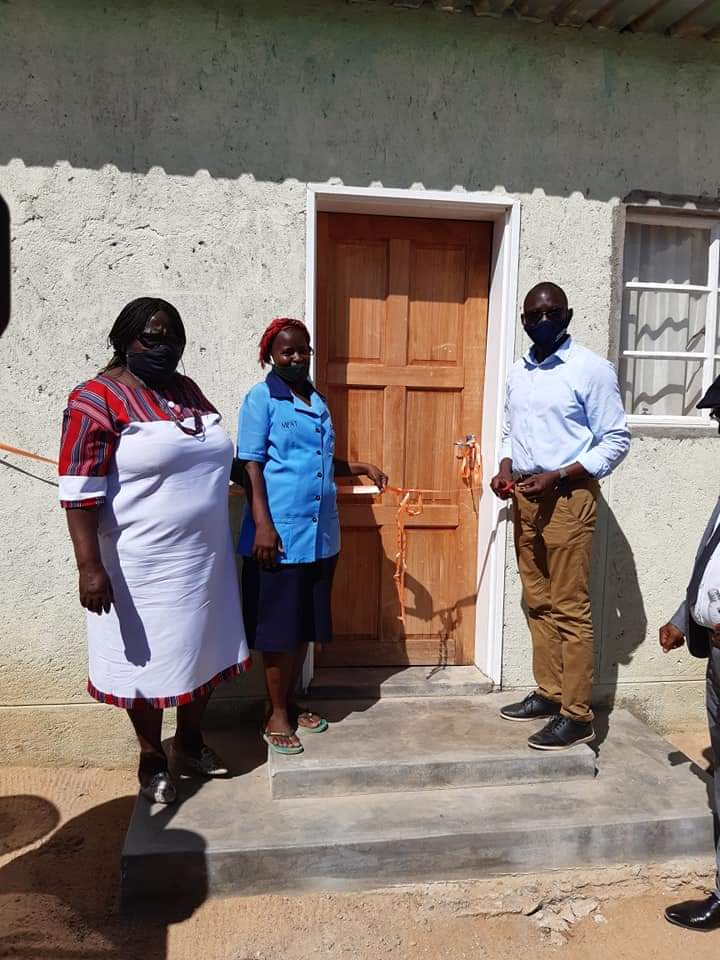
PROJECTS IMPLEMENTED: Members of the Erongo Regional Council under the leadership of Regional Governor, Neville Andre, visited small settlements to implement new development projects. – Photos: Courtesy of the Erongo Regional Council 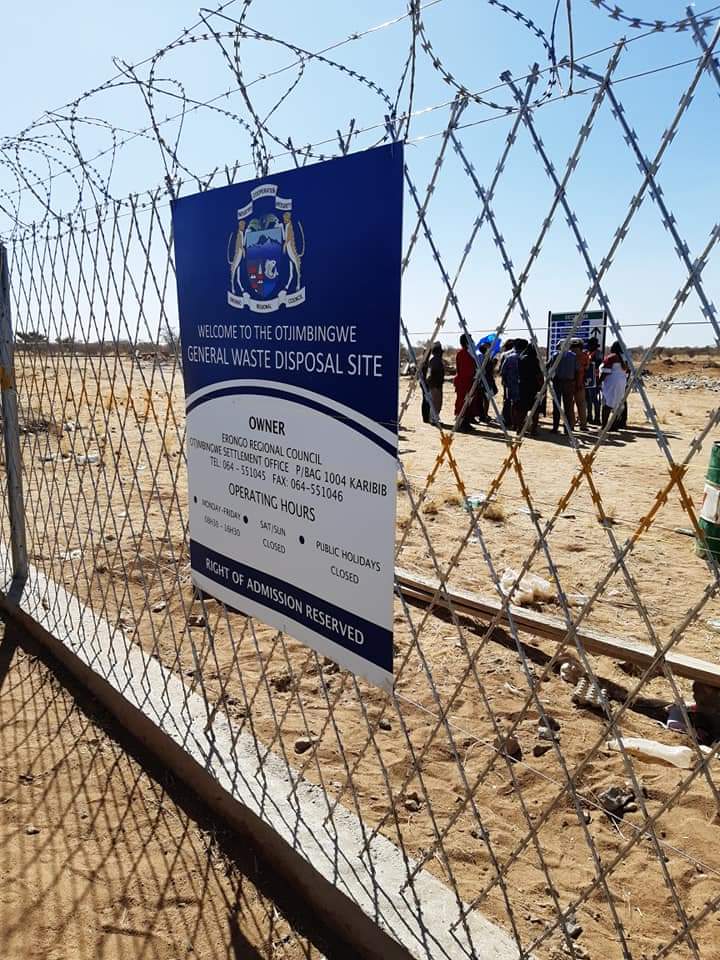
PROJECTS IMPLEMENTED: Members of the Erongo Regional Council under the leadership of Regional Governor, Neville Andre, visited small settlements to implement new development projects. – Photos: Courtesy of the Erongo Regional Council 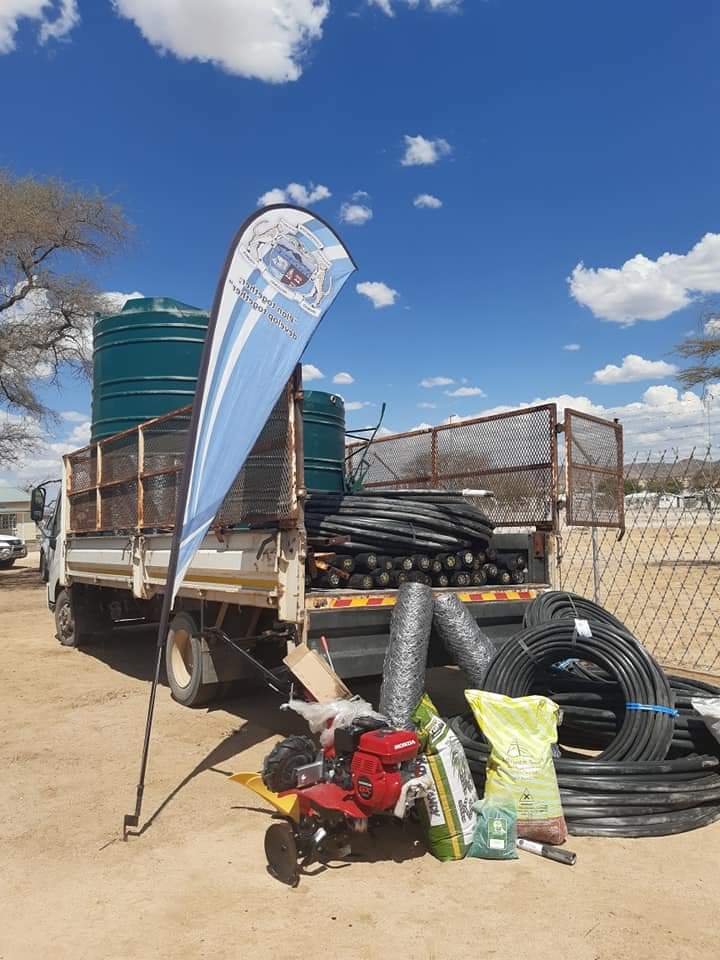
PROJECTS IMPLEMENTED: Members of the Erongo Regional Council under the leadership of Regional Governor, Neville Andre, visited small settlements to implement new development projects. – Photos: Courtesy of the Erongo Regional Council
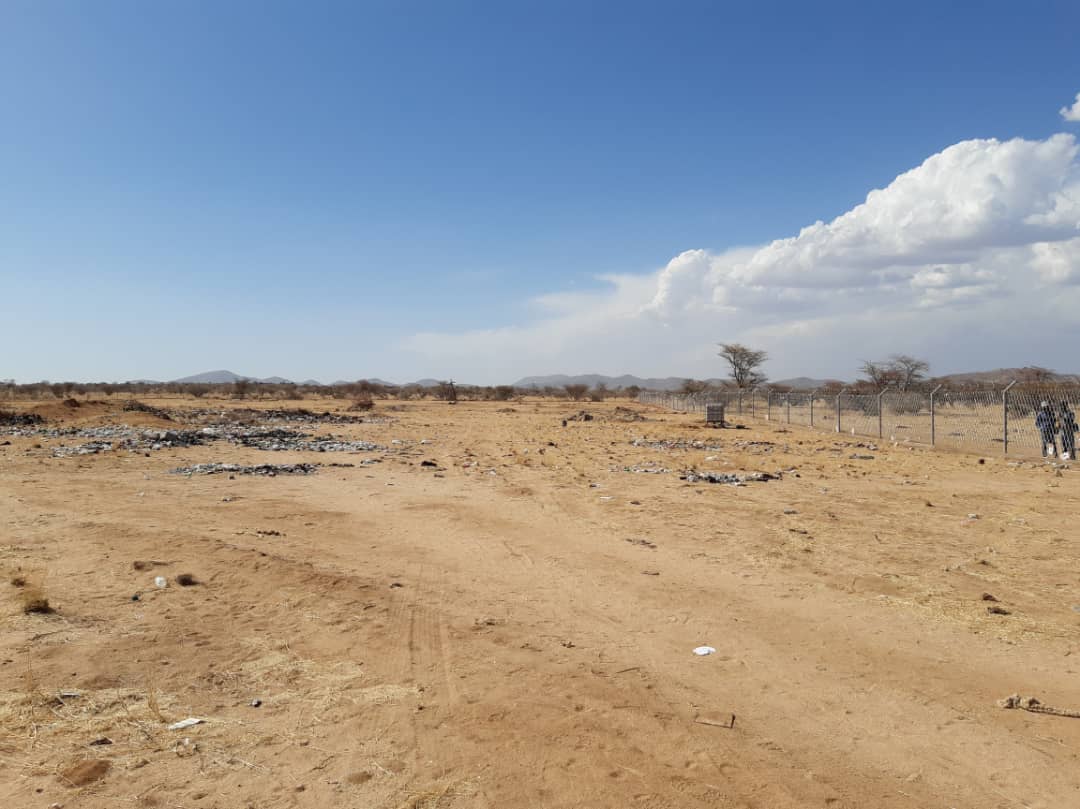
Other projects that were implemented with the aid of the regional council are the construction of a boardroom for the Tsoaxudaman Traditional Authority Office, the construction of Pensioner Payment Structure in Otjimbingwe, the establishment of a new fence around the dump site, the construction of a new waterpoint in the Kandaris settlement in Okombahe, and the construction and improvements of the gravity driven waterborne sewer reticulation system in Otjimbingwe.
According to Governor Andre, it is imperative that the traditional leaders cooperate with the regional and local authorities in order to promote peace, stability, and cohesiveness among communities, socio-economic development, and social well-being and welfare of communities.
“For traditional leaders to succeed in performing these duties they need to form cooperative relationships and partnerships with government at national level in development and service delivery. As such the Traditional Authorities are required to complement and support the work of the government at national and regional level,” he said.
He added that inclusivity dictates that planning and developing should be a collaborative effort and that he is honoured and proud to be able to advocate the inclusiveness in the development of the Erongo Region.
He said the projects will bring significant improvement in the livelihood of the inhabitants of the Erongo Region.
“We should at all times safeguard these properties and report any illegal activities to the law enforcement agencies. We should be vigilant at all times,” he said.
According to Andre, the region has not attained its ultimate objectives in terms of regional development yet, but he said he is sure that through a process of reassessment, communities can make sure that adequate mechanisms and procedures to deliver better services are put in place.