Maria David
NAMIBIA remains one of few countries in the world that have gained access for its quality beef into the Chinese market.
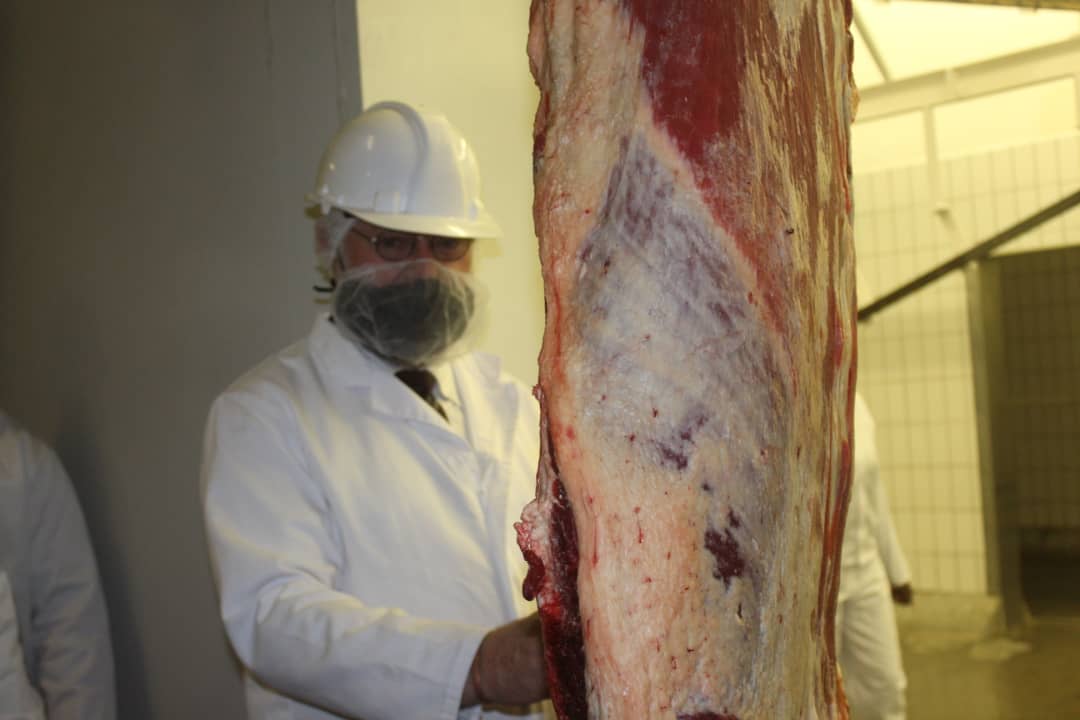
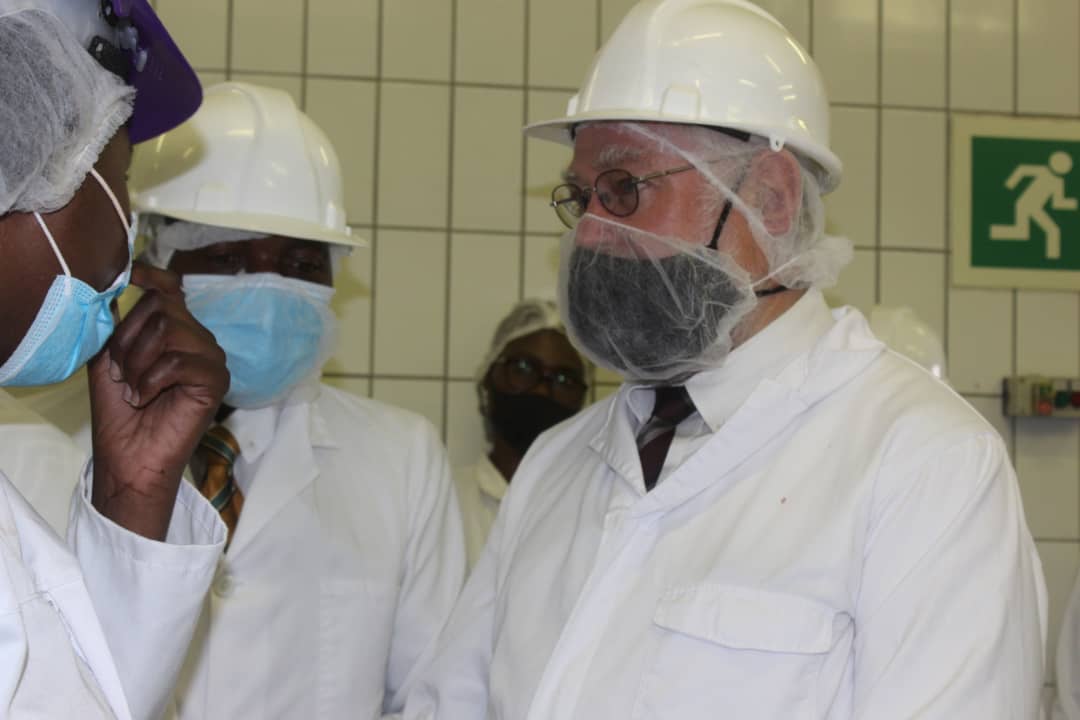
This was revealed by Minister of Agriculture, Water and Land Reform, Calle Schlettwein, during the reopening of the Eloolo abattoir in Oshakati on Thursday.
In 2017, the agriculture ministry identified KIAT Investments and the Ningbo Agriculture Investment Group to operate the abattoirs.
Schlettwein stated that there is an important bilateral development in trade relations between Namibia and China aimed at exploiting significant economic opportunity.
“About 70% of Namibians benefit from agriculture and without production the value chain in agriculture will collapse and many people will be affected,” he said.

The Oshakati abattoir closed in 2016 after Meatco, which operated the abattoirs, ceased operations following a loss close to N$43 million.
The financial strain compelled the company to shut down the abattoirs.
Schlettwein explained that Namibia is prone to seasonal droughts, which affect the grazing in the country negatively whenever it strikes and the recent drought has halved the number of slaughter ready cattle brought to the market in both the Northern Communal Area and the Commercial farming area.
He pointed out that the upliftment of livestock farmers in the Northern Communal Areas is dependent on the participation of farmers in the formal or mainstream economy.
“The operationalisation of the abattoir is expected to link livestock producers in the Northern Communal Areas to the formal markets of the entire country,” he said.
He urged farmers to take direct interest in the management and activities related to the production, processing and marketing of their livestock, as well as to know and understand the process and systems that are involved.
Moreover, Schlettwein indicated that the ministry has renovated the Outapi, Oshakati, Eenhana and Katima Mulilo abattoirs, while the Rundu abattoir is being upgraded and is near completion.
Further, he noted that government is also rehabilitating the quarantine camps of Omutambo omawe, Oshivelo, Okongo, Kopano and Katima Mulilo and they are currently planning to upgrade the Opuwo Slaughter House, and construct the Bukalo Meat Processing Facility, both of which will be funded through the European Development Fund (EDF) 11 Project.
“Government is currently constructing the Ongwediva Meat Processing Plant, and the only outstanding work is to equip the facility with processing machineries and other equipment,” he said.
Speaking at the same occasion, KIAT Investment Chief Executive Officer, Paully Iipinge, said the livestock sector plays very important economic and socio-cultural roles for the well-being of all Namibians.
Iipinge added that the meat industry has, however, been experiencing serious marketing challenges at both local and international.
“Its our strong believe and conviction that the re-opening of the Oshakati abattoir will improve livelihoods and better living standards of our communities through employment creation,” he said.
Iipinge further noted that to date, the abattoir has 50 permanent employees and the production has started successfully and when in full swing, the number of permanent employees will be 80 and around 20 casual workers who will all be Namibian.