


Niël Terblanché
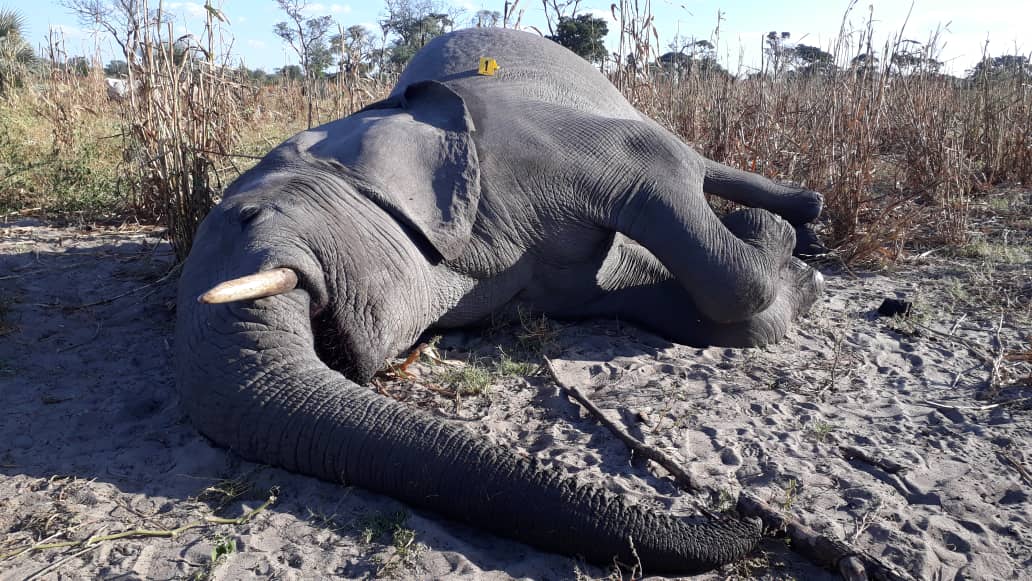
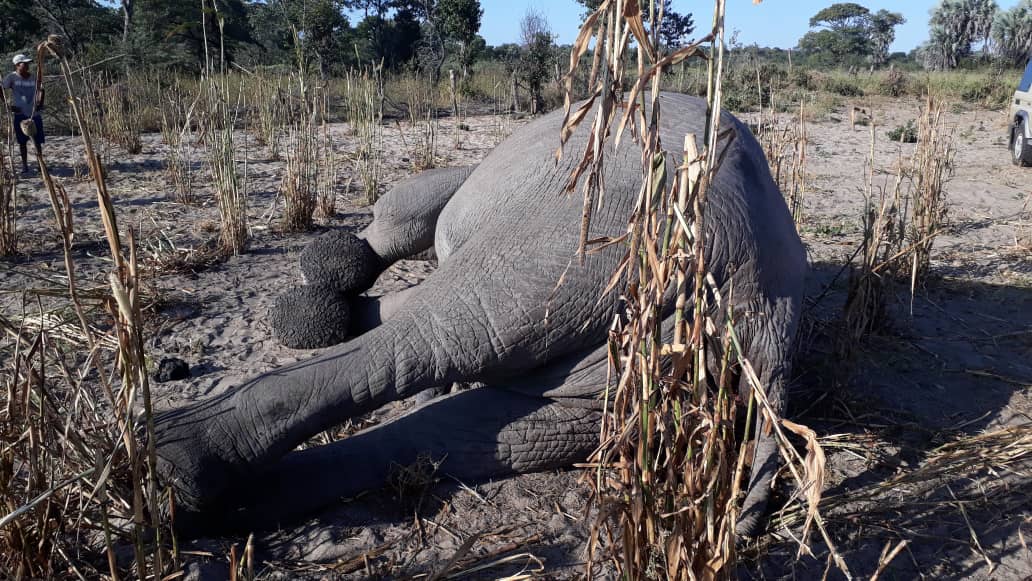
TEN elephants that moved into farming areas during the harvest season have been culled by wildlife officials over the past month.
The elephants caused serious incidents of Human Wildlife Conflict (HWC) and according to the spokesperson of the Ministry of Environment, Forestry and Tourism, Romeo Muyunda, officials had no choice but to shoot the animals that were marked as dangerous in certain parts of the country.
“The facts are that with the recent elephant conflicts in the country, approval was granted by the minister to declare a number of elephants as problem causing. There is a quota allocation per region for this,” he said.
A total of four problem animals were allocated in the quota for the northern regions, which include Omusati, Oshikoto and Ohangwena.
He pointed out that the Oshana Region does not have regular elephant problems.
In this regard, four elephants were shot by MEFT officials in the Omusati Region, four in the Otjozondjupa Region and two in the Kavango East Region.
He said the allocation also includes the Kavango West, the Zambezi and Kunene regions, but that no animals were declared as problem causing in these regions yet.
“We had to do it that way in anticipation of elephant conflicts to cut the bureaucracy or processes of declaring problem animals since it currently is the middle of the harvesting season. Normally during this season, people are terrorised by elephants. We had no choice but to be proactive,” he said.
Muyunda, however, reiterated that problem animals must be marked and positively identified before being culled.
The elephants in the allocation may only be put down where and when there is a need for it and if no other alternative can be found.
This is a countrywide intervention to minimise or mitigate the impact caused by HWC,” he said.
He also pointed out that the carcass of such an animal is given to the afflicted community when a problem elephant is culled to mitigate the crop losses that the farmers have endured.


